

Rise of Electronic Shelf Labels (ESLs) and Digital Price Tags

The Rise of Electronic Shelf Labels (ESLs) and Digital Price Tags: Revolutionizing Retail

In today’s fast-paced retail environment, businesses are constantly seeking innovative solutions to streamline operations, enhance customer experience, and stay competitive. One such solution gaining traction is the use of Electronic Shelf Labels (ESLs) and digital price tags. These cutting-edge technologies are transforming how retailers manage product pricing and display, offering benefits ranging from improved operational efficiency to enhanced shopper engagement.

What Are Electronic Shelf Labels (ESLs)?

Electronic Shelf Labels (ESLs) are digital displays mounted on store shelves to show pricing and product information. These labels use technologies like e-ink or LCD screens to display real-time data. Unlike traditional paper tags, ESLs can be updated instantly from a central location, ensuring pricing consistency across all stores and even within the same store.

The Growing Demand for Digital Price Tags

Digital price tags are the next-generation version of paper price labels, taking the functionality of ESLs a step further. These tags display prices, promotions, and other product details, which can be updated remotely in real time. The shift toward digital price tags is driven by several factors:

  • Operational Efficiency: With digital tags, retailers can update product pricing or inventory information instantly, eliminating the need for manual price checks or re-labeling.
  • Price Accuracy: Real-time price updates ensure that customers always see accurate pricing, which reduces the risk of discrepancies and customer dissatisfaction.
  • Enhanced Customer Experience: Digital price tags allow retailers to present dynamic pricing, promotions, and additional product details, making shopping more interactive and engaging for customers.
  • Reduced Costs: By eliminating the need for physical price tags and paper labels, retailers can cut down on print and labor costs, contributing to long-term savings.

Benefits of ESLs and Digital Price Tags

  1. Real-Time Price Updates: One of the primary advantages of ESLs is the ability to instantly change pricing across all product labels in real-time. This capability is particularly beneficial during promotions, clearance sales, or when reacting to competitor price changes.
  2. Labor Savings: With the automation of pricing updates, the need for employees to manually change price tags is significantly reduced. This not only saves time but also allows workers to focus on more valuable tasks like customer service.
  3. Improved Accuracy: Manual price updates often result in errors, whether due to misprinted tags or incorrect information being displayed. With ESLs, data is updated centrally, eliminating human errors.
  4. Enhanced Customer Engagement: Digital price tags offer more than just pricing. They can display detailed product information, availability, and even personalized discounts, improving the overall customer experience.
  5. Environmental Impact: Traditional paper tags contribute to unnecessary waste. ESLs help reduce paper consumption and are a more sustainable solution for modern retailers.

Case Study: Carrefour’s Use of ESLs in Europe

Carrefour, one of Europe’s largest hypermarket chains, has adopted electronic shelf labels across its stores in several countries, including France and Spain. The retail giant implemented ESLs to streamline pricing and improve operational efficiency.

Before the switch, Carrefour struggled with maintaining consistent pricing across its stores. Paper tags had to manually updated by staff, often leading to delays and discrepancies in pricing. By introducing ESLs, Carrefour was able to update prices instantly across all locations, ensuring price consistency and minimizing human error.

In addition, the retailer was able to improve its customer experience by providing more detailed product information on the electronic labels. Shoppers were able to access additional data such as product features, nutritional information, and special offers directly from the label.

The results were impressive—Carrefour reported significant reductions in operational costs, especially in terms of labor and paper usage, and an increase in customer satisfaction due to accurate and timely information. Moreover, the retailer gained valuable insights into consumer behavior by tracking which price changes had the most significant impact on sales.

The Future of ESLs and Digital Price Tags

As the technology continues to evolve, ESLs and digital price tags are becoming more advanced. We can expect the following innovations:

  • Integration with IoT: Future ESLs will likely integrate more deeply with other Internet of Things (IoT) devices, allowing for even more personalized experiences, such as providing customers with instant promotions based on their past shopping behavior.
  • AI-Powered Pricing: Artificial intelligence could play a significant role in determining the optimal price for products based on data analytics, trends, and even competitor prices. This would help retailers optimize margins while remaining competitive.
  • Sustainability: Further advancements in ESL technology may allow for even more energy-efficient displays, extending battery life and reducing environmental impact.

FAQs on Electronic Shelf Labels and Digital Price Tags

Q1: How do electronic shelf labels save retailers money?

A1: ESLs save money by reducing labor costs associated with manual price updates, eliminating the need for paper labels, and improving pricing accuracy. These labels also enable retailers to quickly adjust prices to reflect market conditions, optimizing sales.

Q2: What industries benefit the most from ESLs?

A2: Retail industries such as grocery stores, supermarkets, department stores, and even pharmacies have benefited significantly from ESLs. The technology is ideal for large-scale retailers with high inventory turnover, as it helps manage dynamic pricing efficiently.

Q3: Can ESLs used in small stores?

A3: Yes! While ESLs are more commonly used in large retail chains, small businesses can also benefit from their use, especially if they have a dynamic pricing model or frequent promotions. The long-term cost savings in labor and materials can be highly beneficial.

Q4: How long does the battery in an ESL last?

A4: The battery life of an ESL can last anywhere from one to three years, depending on the model and usage. E-ink displays, for example, are very energy-efficient and can last much longer than traditional LCDs.

Q5: Are ESLs difficult to install and maintain?

A5: No, ESLs are relatively easy to install and maintain. Most systems involve minimal disruption to daily operations, and retailers typically receive support for installation, software integration, and updates. The labels themselves are designed for long-term durability.

Conclusion

As the retail industry continues to evolve, Electronic Shelf Labels (ESLs) and digital price tags represent a key innovation in pricing management and customer engagement. These technologies are more than just a tool for displaying prices—they are transforming the entire in-store experience, improving efficiency, reducing errors, and offering new ways to connect with consumers.

With the adoption of ESLs expected to grow in the coming years, retailers that embrace this technology early will likely enjoy a competitive edge in terms of both operational efficiency and customer satisfaction. Whether for large chains or small businesses, ESLs are becoming an indispensable tool for modern retail success.

Digital Screen and Digital Signage Solutions

Transforming Retail and Business Environments with Digital Screen and Digital Signage Solutions

In today’s increasingly digital world, businesses are turning to digital signage solutions to enhance communication, engage customers, and improve overall business performance. From large corporations to small retailers, digital screens and digital signage offer innovative ways to deliver messages, promote products, and build stronger connections with audiences.

What Are Digital Screens and Digital Signage Solutions?

At the heart of digital signage solutions are digital screens, which are electronic displays used to show a variety of content such as text, images, videos, and interactive media. These screens can range from small, stand-alone units to large, multi-screen video walls. They are typically used in places like retail stores, airports, malls, restaurants, corporate offices, and public transportation stations.

Digital signage solutions refer to the entire system that powers these digital displays. It includes not only the physical screens but also the software and network infrastructure that enable businesses to manage, schedule, and control the content displayed on screens in real-time. These systems can be used to display advertisements, product information, directions, schedules, and even interactive features like touchscreens for customer engagement.

Key Benefits of Digital Signage Solutions

  1. Increased Engagement and Interactivity: Unlike static signage, digital screens are dynamic and engaging. They capture attention with motion, vibrant colors, and multimedia content. Interactive digital signage, which allows customers to engage with the display through touch or gestures, takes this a step further, encouraging direct participation.
  2. Cost-Effective Advertising: Traditional advertising methods like print materials, posters, and billboards can be costly and time-consuming. Digital screens, on the other hand, allow businesses to create and display fresh, engaging content without incurring the ongoing costs associated with printed materials.
  3. Improved Customer Experience: Digital signage enhances the overall experience for customers. For example, interactive digital directories in shopping malls help visitors navigate complex layouts, while digital screens in retail stores can display promotions or product information, guiding customers to make purchasing decisions.
  4. Analytics and Insights: Many digital signage systems include analytics features, allowing businesses to track engagement levels with specific content. This data provides valuable insights into customer behavior, helping businesses make informed decisions and refine their marketing strategies.

Applications of Digital Signage Solutions

The versatility of digital signage solutions makes them suitable for a wide range of industries and applications. Here are some of the most common uses:

  • Retail: Digital signage in retail stores is used for promotions, advertising, and displaying product information. Interactive screens can also enhance the shopping experience by offering self-service kiosks or assisting with product recommendations.
  • Corporate Communications: In offices and corporate settings, digital signage can be used for internal communications, displaying company news, schedules, and important announcements in break rooms, lobbies, or meeting areas.
  • Healthcare: Hospitals and clinics can use digital signage to display important health information, emergency alerts, wayfinding directions, and patient wait times, all of which improve communication and streamline patient care.
  • Hospitality: Hotels, resorts, and restaurants use digital screens for guest information, menus, event schedules, and interactive wayfinding, ensuring that guests have an enjoyable and informative experience.

Case Study: McDonald’s Use of Digital Signage for Enhanced Customer Experience

McDonald’s, a global leader in the fast-food industry, has incorporated digital signage solutions into its restaurants to improve customer engagement and streamline operations. The fast-food giant began installing digital screens in its drive-thrus and dining areas to display menu items, promotions, and special offers.

One of the key benefits McDonald’s has experienced is improved order accuracy and speed in the drive-thru. Digital screens display a clear, interactive menu that is easy to read, allowing customers to make more informed decisions. Promotions and limited-time offers are also prominently featured, prompting customers to try new items. The use of digital screens has led to a reduction in errors, as customers are able to clearly see and confirm their orders before paying.

In addition to drive-thru displays, McDonald’s implemented interactive kiosks in its restaurants, allowing customers to place orders and customize their meals through touchscreens. These kiosks not only streamline the ordering process but also reduce wait times, improve order accuracy, and give customers more control over their dining experience.

FAQs About Digital Signage Solutions

Q1: What types of digital screens are available for signage?

A1: Digital screens come in various types, including LED, LCD, OLED, and e-ink displays. The choice of screen depends on the environment and application. For example, LED screens are bright and ideal for high-traffic areas, while e-ink displays are energy-efficient and best for static content.

Q2: How much does it cost to implement digital signage?

A2: The cost of digital signage depends on the size of the deployment, the type of screens used, the content management system, and installation requirements. A small, single-screen system may cost a few thousand dollars, while larger, multi-screen networks with custom content could run into tens of thousands. It’s important to consider long-term savings, such as reduced print costs, when evaluating the return on investment (ROI).

Q3: Can I update content on digital screens remotely?

A3: Yes, most digital signage solutions allow for remote content updates. Through the content management system (CMS), you can change or schedule content from anywhere, making it easier to manage multiple locations simultaneously.

Q4: How do digital signage solutions enhance customer experience?

A4: Digital signage enhances customer experience by providing interactive, visually appealing, and relevant content. In retail, for instance, dynamic product information, promotions, and engaging videos make the shopping experience more enjoyable and personalized.

Q5: Are digital signage systems scalable?

A5: Yes, digital signage solutions are highly scalable. You can start with a single screen and expand the network as needed. Many systems allow for easy integration with additional screens, making them suitable for businesses of all sizes.

Conclusion

From retail stores to corporate offices and transportation hubs, digital signage is transforming how businesses communicate with their audience. As technology continues to advance, the future of digital signage looks even more promising, with opportunities for greater personalization, integration with IoT, and enhanced customer engagement. Whether you’re looking to boost sales, improve communication, or simply create a more engaging environment, digital signage solutions are an investment worth considering.

Digital Standee and Menu Boards

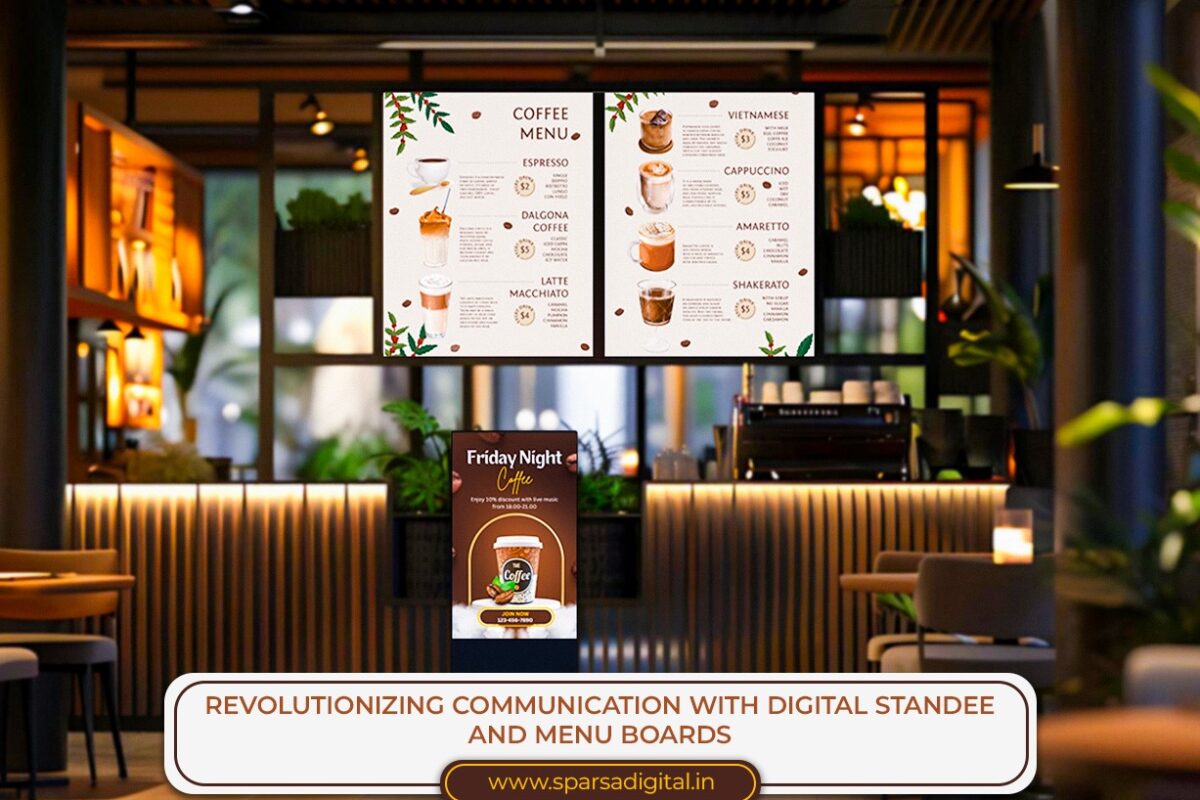
Revolutionizing Communication with Digital Standee and Menu Boards

As businesses adapt to a more digital and customer-centric environment, the use of digital standees and digital menu boards has gained immense popularity. These tools have become essential in enhancing customer experiences, boosting engagement, and streamlining communication, particularly in the retail, hospitality, and food service industries. By replacing traditional paper or static signage with dynamic, engaging digital displays, businesses can effectively capture customer attention and deliver real-time content that’s both visually appealing and informative.

What Are Digital Standees and Digital Menu Boards?

Digital standees are self-standing digital displays used for advertising, promotions, and event information. These sleek, portable displays can be placed in high-traffic areas such as retail stores, malls, and events to grab attention and engage passersby. The key advantage of digital standees is their ability to display vibrant, eye-catching content like videos, images, and animations, creating a more dynamic and interactive experience than traditional posters or banners.

Digital menu boards, on the other hand, are electronic displays used to showcase menus, pricing, and promotions in restaurants, cafes, fast food chains, and other food service establishments. These digital boards replace traditional paper or chalkboard menus with dynamic screens that can be updated remotely, offering businesses flexibility in managing their content. Digital menu boards can display not only menu items and prices but also special offers, nutritional information, or even customer testimonials in a visually appealing manner.

Why Digital Standees and Digital Menu Boards Are Gaining Popularity

  1. Enhanced Customer Engagement
    Digital standees and menu boards create more engaging and interactive experiences for customers. The ability to display moving images, videos, and real-time content allows businesses to capture attention quickly. For instance, a digital standee in a shopping mall could display a short video promoting a sale or upcoming event, which is far more likely to grab attention than a static poster. Similarly, digital menu boards in restaurants can highlight popular dishes, showcase promotions, or even display customer reviews to entice diners.
  2. Real-Time Content Updates
    One of the most significant advantages of digital signage is the ability to update content in real-time. Whether it’s changing a menu item, adding a promotional offer, or updating event details, digital standees and menu boards allow businesses to make instant updates from a central control system. For instance, a digital menu board in a restaurant can display a new seasonal dish or adjust pricing without the need for a physical reprint of menus, which can be time-consuming and costly.
  3. Cost Efficiency
    Traditional printed menus and signage require regular updates, which can be costly due to printing, shipping, and the labor required to change displays. By adopting digital standees and digital menu boards, businesses save money in the long run. The cost of hardware and software installation is offset by the elimination of printing costs, while the flexibility to update content remotely further reduces overhead.
  4. Improved Customer Experience
    Digital signage solutions like digital standees and menu boards improve the overall customer experience. In a restaurant, for example, digital menu boards can highlight high-margin or seasonal dishes, provide nutritional information, or display enticing images of food, all of which can help customers make decisions faster. Similarly, digital standees at an event can provide information in an easily digestible format, ensuring that visitors are well-informed without feeling overwhelmed by static posters or flyers.

Case Study: Starbucks Enhances Customer Engagement with Digital Menu Boards

Starbucks, one of the world’s most recognizable coffeehouse chains, is known for its innovative approach to customer experience. In recent years, the company has rolled out digital menu boards across many of its stores to streamline ordering, improve the aesthetic of their locations, and create a more engaging atmosphere for customers.

Starbucks initially implemented digital menu boards in select high-traffic stores, particularly in locations where customers were likely to make quick decisions, such as busy city centers or malls. The digital boards allowed Starbucks to display high-definition images of beverages, showcase limited-time promotions, and update menu items in real time, all with the click of a button.

The impact of the digital menu boards has been impressive. Not only have customers reported a better experience due to clearer, more visually engaging menus, but Starbucks has also been able to adjust pricing and promotions instantly, reducing errors and improving operational efficiency. For instance, the company can promote special offers, like seasonal drinks or bundled meal deals, and update the boards remotely across all its stores nationwide.

Furthermore, digital menu boards have helped Starbucks create a more modern and consistent brand image. With digital displays, the coffeehouse chain has been able to showcase vibrant imagery of its products, reinforcing its premium offering and aligning with the brand’s aspirational image. The flexibility and scalability of the system have allowed Starbucks to roll out digital signage quickly and efficiently across its global locations.

FAQs About Digital Standees and Digital Menu Boards

Q1: How do digital standees work?

A1: Digital standees are self-standing digital displays that showcase videos, animations, or static images to advertise products, events, or promotions. They typically run on a content management system (CMS), which allows businesses to remotely manage and schedule content. The standees can be set up in high-traffic areas to attract attention and engage potential customers.

Q2: What are the advantages of using digital menu boards in restaurants?

A2: Digital menu boards provide numerous advantages for restaurants, including real-time content updates, enhanced customer engagement, and improved operational efficiency. They can showcase high-definition images of food, update prices or menu items instantly, and highlight promotional offers or seasonal specials. Digital boards also allow for easy customization and improve the overall aesthetic of the restaurant.

Q3: Are digital menu boards energy-efficient?

A3: Yes, digital menu boards are typically energy-efficient, especially when using LED technology. The low power consumption of modern displays helps businesses reduce their energy bills compared to traditional printed signs or posters.

Q4: Can I update the content on my digital signage remotely?

A4: Yes, most digital standees and digital menu boards come with a content management system (CMS) that allows you to update the content remotely. Whether it’s a promotion, price change, or seasonal update, you can make adjustments across multiple locations with ease, often from any internet-enabled device.

Conclusion

Digital standees and digital menu boards are leading the way in creating more dynamic, engaging, and efficient communication strategies for businesses across a wide range of industries. By leveraging these digital signage solutions, companies can not only improve their operational workflows but also enhance the customer experience, increase engagement, and drive sales.

Communication with Digital Notice Boards and Digital Signage Software

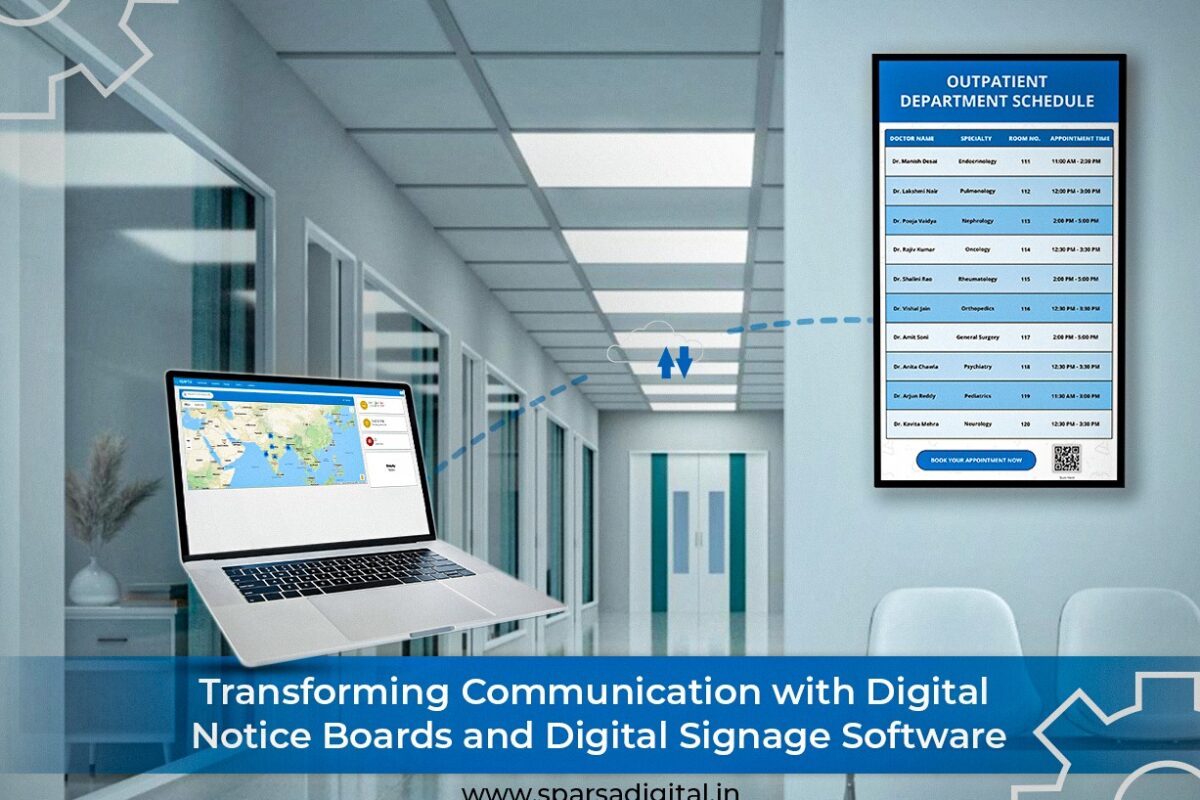
Transforming Communication with Digital Notice Boards and Digital Signage Software

In today’s fast-paced and technology-driven world, traditional communication methods are no longer enough to capture attention and convey messages effectively. Whether in schools, workplaces, public spaces, or retail environments, businesses and institutions are increasingly adopting digital solutions to keep their audiences informed, engaged, and connected. Among these innovative solutions, digital notice boards and digital signage software are leading the way, revolutionizing how information is displayed and managed.

In this blog, we’ll explore the benefits and functionalities of digital notice boards and digital signage software, and how they are transforming communication in various industries. We’ll also dive into real-world case studies that illustrate the success of these technologies in different settings.

What Are Digital Notice Boards?

A digital notice board is an electronic display used to convey important messages, announcements, and information in various settings. These digital displays are usually placed in high-traffic areas such as offices, schools, hospitals, airports, and retail stores. Unlike traditional notice boards that require physical updates (e.g., printing and pinning new notices), digital notice boards allow for real-time updates and dynamic content, making them far more efficient and effective in delivering timely information.

Digital notice boards typically feature:

  1. High-Resolution Displays: These screens are equipped with vibrant and high-quality visuals, allowing for clearer communication even in crowded or noisy environments.
  2. Remote Management: Through connected software, users can manage and update content from any location, allowing for quick changes without the need to visit each display physically.
  3. Interactive Capabilities: Some digital notice boards allow for touch interaction, enabling users to navigate through various messages, images, or videos.
  4. Real-Time Information: These boards can be integrated with live data sources to display up-to-the-minute information such as news, weather, stock updates, or event schedules.
  5. Customization: Businesses can tailor the content displayed on digital notice boards based on the target audience, location, or even time of day.

The Role of Digital Signage Software

Digital signage software is the platform that powers digital notice boards. It allows users to create, schedule, and manage content on one or more digital screens from a centralized location. Whether it’s a single display in an office lobby or hundreds of screens across multiple locations, digital signage software provides businesses with an efficient and streamlined way to manage and update content.

Key functionalities of digital signage software include:

  1. Content Creation and Design: Most digital signage software comes with built-in templates and design tools, making it easy for businesses to create visually appealing and engaging content without needing advanced design skills.
  2. Content Scheduling: Users can schedule content to be displayed at specific times, ensuring that relevant information is shown at the right moment. For example, businesses can schedule lunch specials on digital notice boards in restaurants, or update event information on a campus display.
  3. Remote Content Management: Digital signage software enables remote management, meaning content can be updated and modified without needing to physically visit each display. This is especially beneficial for organizations with multiple locations or large facilities.
  4. Multimedia Support: Digital signage software supports various forms of media, including videos, images, social media feeds, live news, and weather updates, providing endless possibilities for content variety.
  5. Analytics and Reporting: Some advanced software platforms offer detailed analytics, allowing businesses to track viewer engagement, content performance, and overall system efficiency.

Benefits of Digital Notice Boards and Digital Signage Software

The combination of digital notice boards and digital signage software offers numerous advantages, making it an attractive solution for businesses and organizations. Here are some of the key benefits:

1. Efficient Communication

One of the most significant advantages of digital notice boards is the ability to communicate efficiently. Whether it’s in a school, office, or public space, businesses can update messages in real-time, ensuring that critical information, such as safety alerts, schedule changes, or announcements, is delivered promptly and accurately. This eliminates the delays associated with manual updates and printed materials.

In environments like offices, digital notice boards can streamline internal communication by displaying important updates, meeting schedules, and employee recognition in a visually appealing way. In schools, digital notice boards can display class schedules, exam dates, or extracurricular activities, ensuring students and staff are always in the loop.

2. Cost-Effectiveness

Traditional notice boards require constant physical updates, such as printing and pinning new posters or flyers, which can be costly over time. With digital signage, the content can be updated instantly and remotely, reducing the need for physical printing and distribution.

Moreover, digital notice boards are durable and designed to last longer, meaning they require less maintenance compared to traditional boards. In the long run, this can lead to significant cost savings for businesses, especially those with multiple locations or large facilities.

3. Engagement and Interaction

Digital notice boards provide businesses with the opportunity to engage customers, employees, or visitors through dynamic content. The visual appeal of moving images, videos, and animations can capture attention far more effectively than static images or printed text. Whether it’s an eye-catching advertisement in a retail store or a visual schedule in an office, digital signage keeps audiences engaged and informed.

Interactive features, such as touchscreens, can also be integrated into digital notice boards, enabling users to interact with the displayed content. For example, in a retail setting, customers can browse through product catalogs, check store promotions, or even check out product reviews.

4. Customization and Targeted Messaging

Digital signage software allows businesses to tailor content for specific audiences. For example, a digital notice board in a waiting room can display relevant information for visitors, such as wait times, services offered, or upcoming events. In contrast, a digital notice board in a corporate office could show internal memos, meeting schedules, and company news for employees.

This customization makes digital signage more relevant and impactful for the audience, ensuring that they receive the information they need when they need it.

5. Improved Brand Visibility

Digital notice boards are visually striking and can enhance brand visibility. Businesses can use them to display their logo, promote products, or showcase brand messaging. For retail environments, digital notice boards can be used for in-store promotions, sales events, or seasonal advertisements, creating a more immersive shopping experience.

Conclusion

Digital notice boards and digital signage software have quickly become indispensable tools for modern communication across various industries. Whether in educational institutions, corporate offices, retail environments, or public spaces, these technologies offer numerous benefits, including real-time content updates, cost savings, improved engagement, and enhanced brand visibility.

By combining the visual appeal of digital notice boards with the flexibility and control offered by digital signage software, businesses can create a more dynamic and effective communication strategy. As these technologies continue to evolve, we can expect even more innovative and creative uses that will redefine the way we share and receive information.

Advertising with LED Advertising Boards and Digital Signage Software

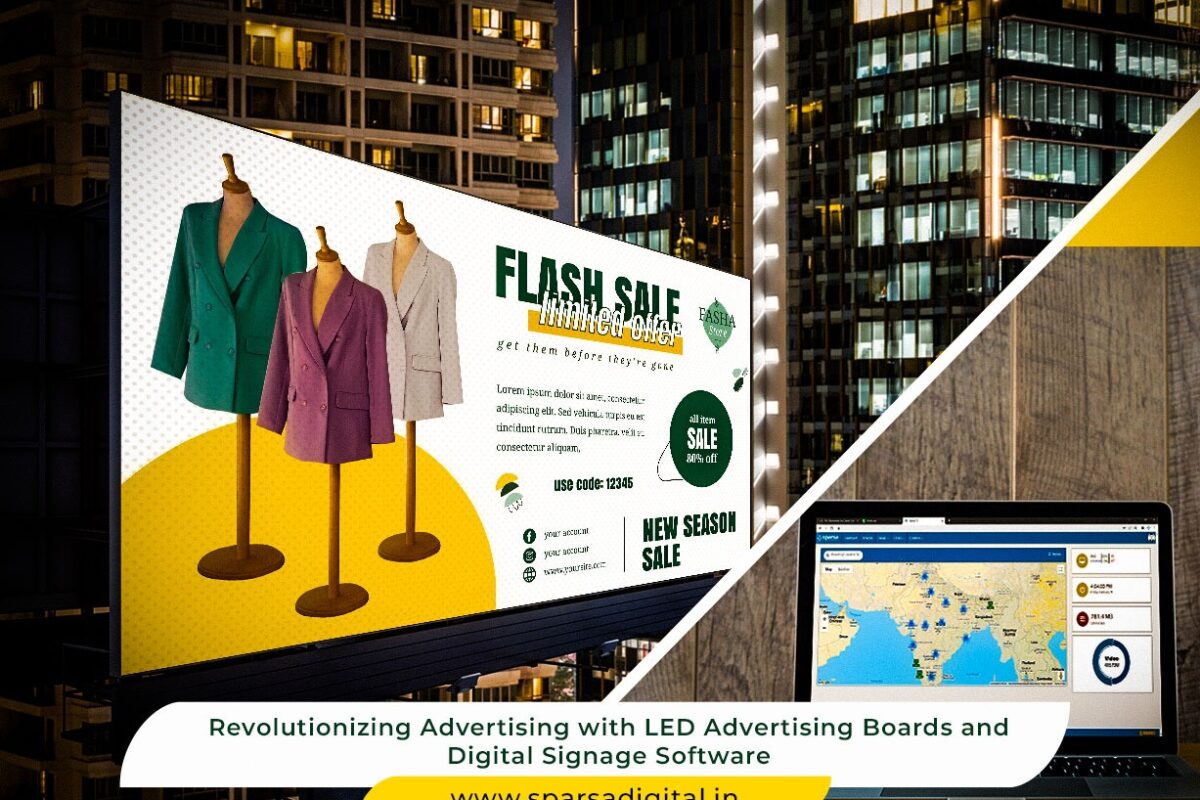
Revolutionizing Advertising with LED Advertising Boards and Digital Signage Software

In the digital age, advertising has evolved beyond traditional methods like print and billboards to more dynamic, engaging, and interactive forms of communication. Among these advancements, LED advertising boards and digital signage software stand out as powerful tools that allow businesses to display visually captivating content while maintaining flexibility and real-time control. These technologies are changing the way brands interact with their audiences, creating more immersive experiences and driving better results.

What Are LED Advertising Boards?

LED advertising boards are large digital screens that use Light Emitting Diodes (LEDs) to display high-quality visuals, including videos, animations, and static images. These displays are known for their bright and vibrant colors, which make them ideal for outdoor and indoor advertising. LED boards are used in a variety of settings such as shopping malls, airports, stadiums, bus stations, and corporate offices.

The advantages of LED advertising boards include:

  1. High Visibility: LED screens are incredibly bright and clear, making them visible even in direct sunlight. This makes them ideal for outdoor advertising in areas with heavy foot traffic or high visibility.
  2. Energy Efficiency: LEDs are known for their energy efficiency compared to traditional display technologies. This makes LED boards a cost-effective option for long-term use.
  3. Dynamic Content: Unlike traditional signage, LED advertising boards can display dynamic, high-resolution content such as videos, graphics, and real-time data, helping to capture the audience’s attention.
  4. Flexibility: LED boards can be easily updated to display new content, which means businesses can change their advertisements as often as they want without incurring high printing or installation costs.
  5. Durability: LED boards are designed to withstand various environmental conditions, making them suitable for both indoor and outdoor use.

The Role of Digital Signage Software

Digital signage software is the backbone that powers LED advertising boards, enabling businesses to manage and control their content remotely. This software provides a centralized platform where users can upload, schedule, and display content on digital screens. Whether for advertising, wayfinding, or public information, digital signage software ensures that the content is shown consistently and updated as needed.

Key benefits of digital signage software include:

  1. Remote Management: With digital signage software, businesses can control content on multiple screens from a central location, which eliminates the need for on-site staff to update displays manually.
  2. Real-Time Updates: The software allows businesses to update content in real time, ensuring that advertisements, promotions, or messages are always relevant and current.
  3. Content Scheduling: Digital signage software enables businesses to schedule content to be displayed at specific times. This feature is particularly useful for time-sensitive promotions or events.
  4. Customization and Personalization: Advanced software solutions offer the ability to customize the content for specific target audiences, locations, or even real-time data integration, such as weather forecasts, news, or social media feeds.
  5. Analytics: Many digital signage software platforms offer detailed analytics, which helps businesses track the performance of their content and measure customer engagement. This data can be used to optimize future campaigns and improve overall marketing strategies.

Case Studies: Successful Implementations of LED Advertising Boards and Digital Signage Software

Let’s take a look at some successful case studies of businesses that have leveraged LED advertising boards and digital signage software to enhance their advertising strategies.

1. Retail – Coca-Cola at the Times Square Billboard

One of the most famous examples of using LED advertising boards is Coca-Cola’s use of the giant LED screen in New York’s Times Square. Coca-Cola has integrated dynamic content into its advertising strategy using high-definition video and interactive displays on this massive billboard. The content changes depending on the time of day, current events, and local weather, providing a personalized experience for viewers.

Coca-Cola uses digital signage software to manage the content on the Times Square LED board, allowing them to update their messaging in real time and schedule special campaigns for different times of the day. This allows Coca-Cola to target different audiences at different moments, driving engagement and maximizing the impact of their advertising.

2. Public Transportation – London Underground

The London Underground implemented LED advertising boards in various stations to provide real-time updates, advertisements, and public service announcements. These displays are connected to a central digital signage platform, allowing the transit authority to update schedules, news, and emergency information as needed.

The digital signage software enables the transportation authority to manage content across multiple locations in real-time. If there’s a delay, for example, the content on the LED boards can be updated instantly to inform passengers about the delay and provide alternative routes or transport options. This system enhances the overall passenger experience and ensures that important information reaches commuters quickly and efficiently.

3. Entertainment – Sports Stadiums and Arenas

Sports stadiums and arenas have also embraced LED advertising boards to engage fans and promote events. The software used in these settings allows organizers to display live game scores, player statistics, sponsor advertisements, and event promotions. In large stadiums with thousands of fans, these dynamic boards serve as powerful tools for grabbing attention and enhancing the atmosphere.

One notable example is the use of LED boards in major stadiums like the Staples Center in Los Angeles. The arena uses digital signage software to manage content across dozens of LED screens, creating an immersive and interactive experience for fans. The content is updated in real-time to reflect the progress of games, highlight player achievements, and deliver engaging advertisements.

4. Hospitality – Hotels and Resorts

Hotels and resorts are increasingly using LED advertising boards to enhance the guest experience. These digital displays can show information about hotel amenities, upcoming events, dining options, and local attractions. By using digital signage software, hotels can ensure that their content is always fresh and relevant, updating in real-time as necessary.

For example, the Marriott Hotels Group has implemented LED boards in their lobbies and conference rooms, allowing them to deliver personalized content to guests. Digital signage software makes it easy for Marriott to manage content across multiple properties, ensuring consistency while allowing for customization based on location or event.

Conclusion

LED advertising boards combined with digital signage software are revolutionizing the way businesses advertise and communicate with their audiences. These technologies offer businesses the ability to display dynamic content in real time, engage customers more effectively, and manage advertising campaigns across multiple locations with ease. The flexibility and scalability of LED boards and digital signage software make them a valuable asset for companies looking to enhance their brand presence and drive customer engagement.

As demonstrated by the case studies mentioned, businesses across a wide range of industries are already reaping the benefits of these technologies. From retail and transportation to entertainment and hospitality, LED advertising boards and digital signage software are transforming the way brands communicate with their audiences, ensuring they stay ahead in an increasingly digital world.

Digital Standee, Digital Menu Board, and Digital Screens Revolutionizing QSR Businesses

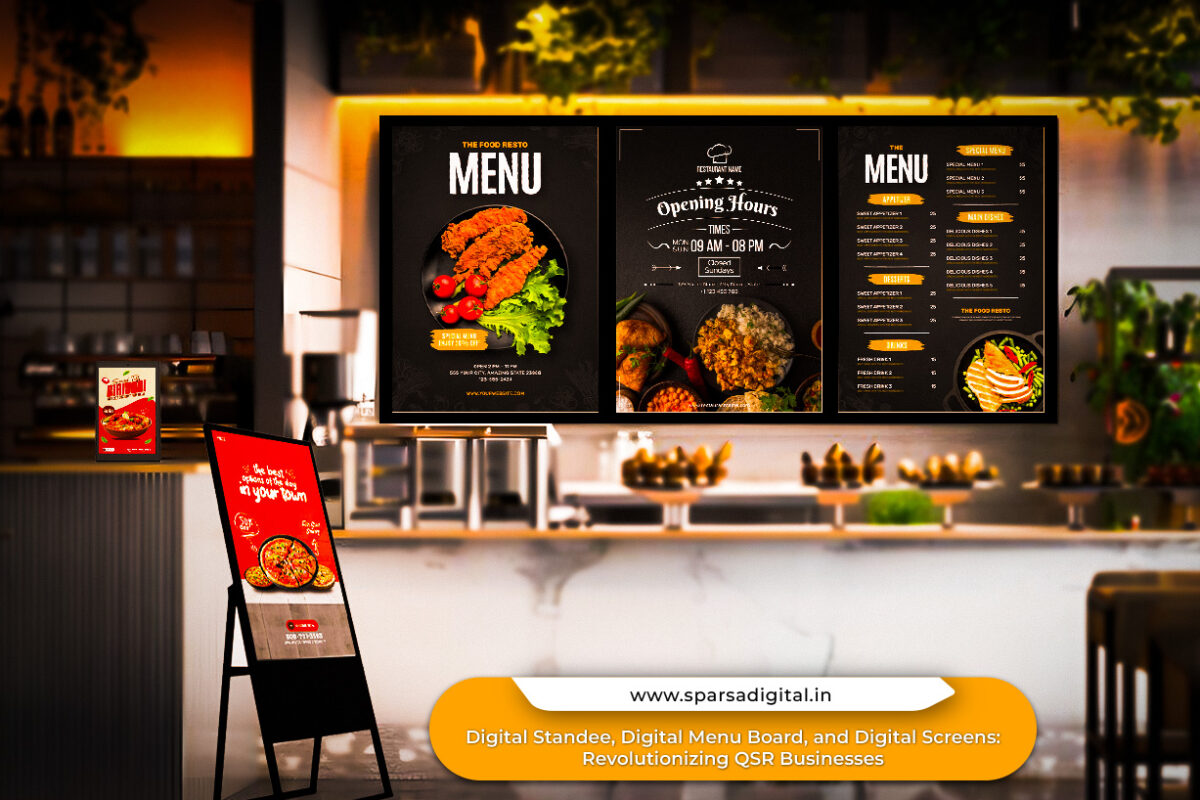
Digital Standee, Digital Menu Board, and Digital Screens: Revolutionizing QSR Businesses

In today’s fast-paced world, where customers crave quick service, Quality Service Restaurants (QSRs) are constantly seeking ways to stay ahead of the curve. One of the most effective technological advancements reshaping the QSR industry is the introduction of digital standees, digital menu boards, and digital screens. These digital tools are not just a trend—they are fast becoming essential for streamlining operations, enhancing customer experiences, and driving sales.

The Rise of Digital in the QSR Industry

The modern QSR landscape is evolving rapidly. With customer expectations at an all-time high, restaurants need to offer more than just great food and fast service. Customer experience, branding, and efficiency are key factors that separate successful restaurants from their competitors. One of the most impactful ways QSRs are improving these elements is by incorporating digital technologies like digital standees, digital menu boards, and digital screens into their operations.

Digital Standee: A Dynamic Way to Engage Customers

A digital standee is a sleek, freestanding screen that is often placed in high-traffic areas within the restaurant. These standees can display a variety of content, from promotional ads to menu updates, all in vibrant, high-definition visuals. They are eye-catching and can be used to enhance the ambiance of the restaurant, while also drawing the attention of customers to new or special offers.

The benefits of digital standees in QSRs include:

  • Attracting attention: With the right content, digital standees can immediately capture the attention of customers, especially in busy environments.
  • Branding opportunities: These standees are an excellent tool for reinforcing brand identity through dynamic visuals.
  • Real-time content updates: Promotions, special deals, and limited-time offers can be updated instantly, allowing restaurants to respond quickly to customer demands or trends.
  • Customization: Digital standees offer high customization with the ability to tailor content based on time of day, season, or even customer demographics.

Digital Menu Board: Modernizing the Ordering Experience

In the fast-paced world of QSRs, the menu board plays a critical role in guiding customers through their decisions quickly and efficiently. Traditional static menu boards are now being replaced by digital menu boards, offering a more modern, flexible, and efficient way to display food and drink options.

Here are some key advantages of digital menu boards:

  • Ease of updating: Digital menu boards allow QSRs to update their menu in real-time without the need for costly printouts or labor-intensive changes. Whether it’s a new product launch or a limited-time offer, everything can be updated on the spot.
  • Improved readability: With digital boards, items can be displayed in high-definition images, with clear, legible fonts, and even motion graphics to highlight popular dishes or deals.
  • Dynamic content display: Restaurants can alternate between menu items, nutritional information, promotions, and even order instructions to keep the display fresh and engaging.
  • Adaptability: Digital menu boards can easily be tailored to various locations and formats. Whether you have a single board above the counter or multiple screens placed around the restaurant, the content can be displayed according to the space and the audience.

Digital Screens: Enhancing the Dining Experience

Digital screens in QSRs go beyond just being an effective communication tool—they are also a way to enhance the customer experience. These screens can be integrated into various touchpoints, such as self-service kiosks, drive-thru lanes, or even in-store entertainment. They provide customers with an intuitive and interactive experience that goes hand-in-hand with fast food service.

Some key applications of digital screens in QSRs include:

  • Self-ordering kiosks: Customers can browse the menu, customize their orders, and pay all through digital screens. This reduces human error, speeds up the ordering process, and provides an easy, contactless experience.
  • In-store entertainment: In addition to displaying menus, digital screens can also show entertainment content such as news, social media feeds, or localized advertisements. This keeps customers entertained while they wait and enhances their overall experience.
  • Drive-thru integration: Digital screens at drive-thru lanes display real-time menus and promotions to customers, making it easier for them to decide what they want before reaching the speaker box.

Together, these innovations foster a more streamlined and enjoyable experience for both customers and employees, creating a win-win scenario for QSRs.

Why QSRs Should Embrace Digital Technologies

The benefits of incorporating digital standees, digital menu boards, and digital screens in QSRs are numerous. Here’s why restaurants should invest in digital technology:

  1. Enhanced Customer Experience: Digital solutions provide customers with an interactive, engaging experience that can make their visit more enjoyable and memorable.
  2. Increased Efficiency: With real-time updates, dynamic content, and self-ordering features, QSRs can reduce wait times and streamline operations.
  3. Cost Savings: Over time, digital solutions can help reduce costs associated with printing new menu items, promotional materials, and signage.
  4. Marketing Opportunities: Digital screens and standees are excellent for showcasing promotions, seasonal offers, and new product launches, keeping your marketing efforts fresh and engaging.

FAQ on Digital Standee, Digital Menu Board, and Digital Screen for QSRs

1. How much does a digital standee cost?

The cost of a digital standee can vary depending on the size, resolution, and features (such as touch functionality or custom software). Generally, prices range from $1,000 to $4,000 per unit. However, the return on investment is often high due to improved customer engagement and promotional opportunities.

2. Can I use digital menu boards for upselling?

Yes, digital menu boards are ideal for upselling. You can display high-margin items, popular combos, or special offers to encourage customers to purchase additional items. The ability to visually showcase these items makes it easier to capture customer interest.

3. How easy is it to update content on digital screens and menus?

Updating content on digital screens and menu boards is typically done through a centralized software platform. This allows for real-time changes, whether it’s adjusting pricing, adding new items, or showcasing promotions. You don’t have to worry about printing or physically changing menu boards anymore.

5. What are the benefits of interactive digital screens in drive-thru lanes?

Interactive digital screens at drive-thru lanes can improve order accuracy, speed up the process, and provide a more engaging experience. Customers can see a live display of their order as it’s being entered, which helps reduce mistakes and enhances customer satisfaction.

Conclusion

The integration of digital standees, digital menu boards, and digital screens into QSR operations is changing the way restaurants interact with customers, streamline operations, and market their products. By adopting these digital technologies, QSRs can stay competitive, boost sales, and deliver a modern, engaging experience that today’s consumers expect. With the ability to dynamically update content and offer a more personalized experience, these digital solutions represent the future of the fast-food industry—one where technology and convenience meet to create a better overall dining experience.

Digital Standees and CMS for Signage Transforming the Way We Communicate

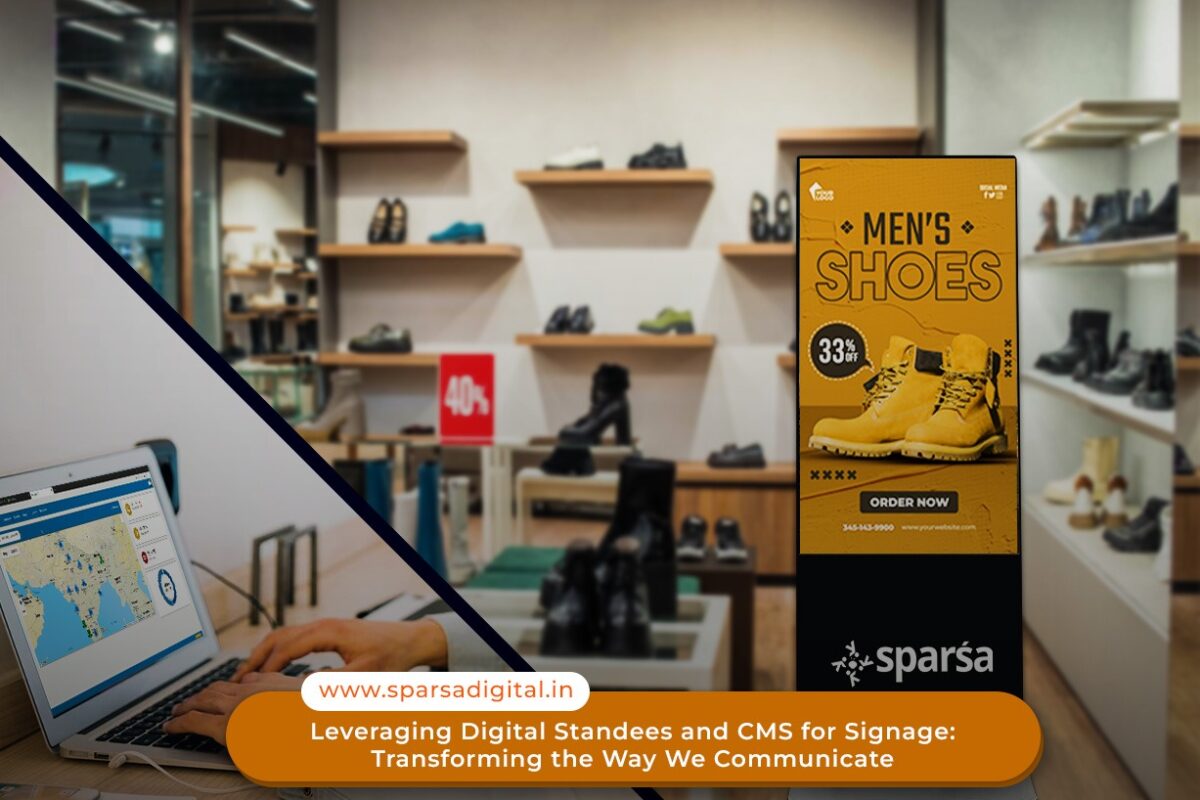
Leveraging Digital Standees and CMS for Signage: Transforming the Way We Communicate

In today’s fast-paced world, the way businesses communicate with their customers has undergone a dramatic transformation. Traditional forms of signage are gradually being replaced by modern digital solutions, allowing businesses to communicate more effectively and efficiently. Among these solutions, digital standees and Content Management Systems (CMS) for signage have become increasingly popular. These technological innovations have not only enhanced the visual appeal of advertisements but also provided businesses with greater flexibility, real-time updates, and improved audience engagement.

In this blog post, we will explore how digital standees and CMS for signage are revolutionizing the signage industry. We will also look at case studies of companies that have successfully integrated these technologies into their operations.

What Are Digital Standees?

Digital standees are large digital displays used for advertising, information dissemination, and engagement. Unlike traditional static signage, digital standees can display dynamic content such as videos, animations, and live feeds. These displays are often used in high-traffic areas such as malls, airports, corporate offices, and retail outlets.

The key advantages of digital standees include:

  1. Dynamic Content: Digital standees can easily update content in real-time, displaying video, promotions, and interactive media that capture the audience’s attention.
  2. Versatility: These digital displays can be used for various purposes, including advertising, public service announcements, directions, and customer engagement.
  3. Cost-Effectiveness: While the initial setup costs may be higher than traditional signage, digital standees eliminate the need for frequent printing and manual updates, reducing long-term maintenance costs.
  4. Enhanced Customer Experience: With the ability to display tailored and interactive content, digital standees can significantly enhance the overall customer experience by providing engaging and personalized communication.

The Role of CMS for Signage

A Content Management System (CMS) for signage is a software solution that allows businesses to manage and schedule content on digital displays remotely. This system provides a central dashboard where users can upload, schedule, and monitor content across multiple digital standees or other digital signage devices.

Key benefits of using CMS for signage include:

  1. Centralized Control: A CMS gives businesses the ability to control and update content across all their digital signage displays from one central location, ensuring consistency and saving time.
  2. Real-Time Content Updates: With a CMS, businesses can make real-time changes to content, ensuring that the information displayed is always up-to-date and relevant.
  3. Remote Management: Content can be updated remotely, allowing for quick modifications or emergency messaging without needing to send a technician to the physical location.
  4. Analytics and Reporting: Advanced CMS platforms offer analytics features that track the performance of the content displayed. Businesses can gather insights into customer engagement, optimize content, and improve future campaigns.
  5. Custom Scheduling: The CMS enables businesses to schedule content to be displayed at specific times, ensuring that promotions or messages are shown at optimal moments.

Case Studies: Real-World Examples of Digital Standees and CMS for Signage

Let’s take a look at some successful case studies where companies have effectively implemented digital standees and CMS for signage.

1. Retail Store Digital Advertising – Zara

Zara, a leading global fashion retailer, implemented digital signage in their stores worldwide. Their stores now feature digital standees that display dynamic content such as seasonal promotions, new collections, and fashion trends. With the help of a CMS, Zara manages content across hundreds of stores, ensuring that every location is displaying the right content at the right time.

Using the CMS platform, Zara can schedule promotions based on local market trends and customer behavior. The ability to update content in real-time allows them to launch flash sales, new arrivals, or any emergency messaging across all stores without delay. Additionally, the CMS provides valuable data analytics, allowing Zara to monitor the effectiveness of their campaigns and make data-driven decisions to improve customer engagement.

2. Airport Wayfinding – London Heathrow Airport

London Heathrow Airport implemented a network of digital standees and signage to help passengers navigate the busy terminals. The digital standees display real-time flight information, gate changes, security updates, and other important announcements. The airport uses a CMS to manage this content remotely, ensuring that passengers are always informed.

During high-traffic periods, such as holiday seasons, the airport can quickly update digital standees with relevant information like security wait times, baggage claim updates, and emergency instructions. The system also allows the airport to adjust messaging in real-time in response to unexpected events, such as flight delays or cancellations, providing a more efficient and smoother experience for travelers.

3. Corporate Office Communication – Microsoft

Microsoft’s corporate headquarters in Redmond, Washington, uses digital standees to enhance internal communication. In their open office spaces, digital signage displays information such as announcements, upcoming events, team highlights, and live social media feeds. The content is managed through a CMS, ensuring that relevant messages reach employees promptly.

For example, the HR department can use the CMS to schedule wellness tips, employee recognition posts, or updates about office events. The ability to update content remotely and on the fly ensures that employees are always kept in the loop, improving engagement and morale within the company.

4. Museum Experience – The British Museum

The British Museum in London has adopted digital standees to enrich the visitor experience. These standees are placed throughout the museum, offering interactive content about exhibits, historical facts, and multimedia presentations. The museum uses CMS to manage the content displayed on these screens, ensuring that visitors receive a rich, engaging experience that complements their visit.

The CMS platform allows the museum to tailor content based on the current exhibition or special events. They can also update the digital standees with real-time information, such as exhibit changes, guided tour availability, or even visitor feedback. This dynamic approach helps keep the museum experience fresh and engaging for visitors of all ages.

Conclusion

Digital standees and CMS for signage are transforming the way businesses interact with their audiences. These technologies not only provide businesses with the ability to display dynamic content but also offer an efficient and scalable solution for content management and real-time updates. From retail stores to airports, corporate offices, and museums, the applications for digital signage are vast and varied.

By adopting digital standees and CMS, companies can improve customer engagement, optimize communication strategies, and enhance their brand presence. As more businesses embrace these innovations, we can expect digital signage to become an even more integral part of our daily lives, shaping the way we receive and interact with information.

Enhancing Customer Engagement with Digital Table Talkers and Mini Displays

Enhancing Customer Engagement with Digital Table Talkers and Mini Displays

In today’s fast-paced, tech-savvy world, businesses are continuously looking for innovative ways to engage their customers and create memorable experiences. Traditional forms of communication like printed menus, posters, and brochures are being replaced by more dynamic and interactive digital solutions. Among these solutions, digital table talkers and mini displays have emerged as powerful tools that enhance customer engagement, improve marketing strategies, and create a more personalized experience.

What Are Digital Table Talkers and Mini Displays?

Digital Table Talkers are small, digital screens placed on tables, countertops, or other customer-facing surfaces. These devices are typically used in restaurants, cafés, and retail settings to display dynamic content, such as promotional messages, menus, product recommendations, or customer reviews. Digital table talkers replace traditional static paper signage, offering a modern, interactive alternative that can be updated in real-time.

Mini Displays, on the other hand, are small-sized digital screens that can be used in a variety of settings, from retail displays and point-of-sale (POS) systems to hotel lobbies or trade shows. These compact digital screens can be used to show product information, ads, or other dynamic content, often serving as supplemental displays to larger signage or screens in the environment.

Together, digital table talkers and mini displays are changing how businesses interact with their customers. They bring a fresh, engaging element to the customer experience while providing businesses with the flexibility to manage and update content with ease.

Key Benefits of Digital Table Talkers and Mini Displays

Both digital table talkers and mini displays offer a wide range of benefits for businesses looking to enhance their customer engagement and marketing efforts. Let’s look at some of the primary advantages of using these digital solutions:

1. Dynamic Content Delivery

One of the most significant benefits of digital table talkers and mini displays is their ability to deliver dynamic, up-to-date content. Unlike traditional paper menus or static displays, digital screens can show videos, animations, live feeds, and interactive content. For example, in a restaurant setting, digital table talkers can feature daily specials, limited-time offers, and even customer reviews, all of which can be easily updated in real-time through centralized management software.

For retailers, mini displays can showcase promotional videos, highlight new arrivals, or display personalized offers based on customer preferences. The ability to change content quickly ensures that the display is always fresh and relevant to the audience.

2. Enhanced Customer Experience

Digital table talkers and mini displays create an immersive and engaging environment for customers. In restaurants, for example, digital table talkers can be used to showcase a menu with images, videos, and detailed product descriptions. This is particularly useful for introducing new menu items or specials, as it allows customers to view high-quality visuals before making a choice. Similarly, mini displays can be used to highlight product features or provide interactive demos for customers in retail stores.

By offering a more engaging and informative experience, businesses can increase customer satisfaction and potentially boost sales. Customers appreciate having access to real-time, visually appealing content that helps them make more informed decisions.

3. Improved Efficiency and Cost Savings

Traditional signage requires constant updates, which can be time-consuming and costly. Digital table talkers and mini displays simplify the process by allowing businesses to update content remotely, ensuring that messaging remains relevant without the need for physical signage changes. For example, a restaurant can update its menu or daily specials across multiple digital table talkers simultaneously with just a few clicks of a button.

Moreover, businesses save money on printing costs, as digital displays eliminate the need for paper menus, posters, and flyers. This reduction in operational costs makes digital signage a more cost-effective long-term solution for businesses.

4. Increased Revenue Opportunities

Digital table talkers and mini displays also present revenue-generating opportunities. For instance, in a restaurant setting, digital table talkers can feature promotional advertisements or upsell items such as desserts, drinks, or special pairings. Restaurants can use these devices to promote items with high profit margins or those that are underperforming, encouraging customers to make additional purchases.

Retailers can also utilize mini displays at checkout counters or product displays to feature impulse buy items or special promotions. The ability to showcase ads and promotions right where customers make purchase decisions increases the likelihood of additional sales and higher revenue.

5. Customization and Personalization

One of the most powerful features of digital table talkers and mini displays is their ability to be personalized for individual customers. For example, in a restaurant, the content displayed on a digital table talker could be tailored to a specific customer’s preferences, showing them their favorite items or suggesting new dishes based on past orders. This creates a more personalized and engaging dining experience.

Similarly, in a retail setting, mini displays can be used to show personalized promotions or offers based on the customer’s previous shopping behavior. By utilizing customer data and preferences, businesses can create a more customized experience that drives loyalty and increases the chances of repeat business.

Conclusion

Digital table talkers and mini displays are powerful tools that are reshaping how businesses communicate with customers. These devices provide an opportunity to deliver dynamic, real-time content that enhances customer engagement, increases sales, and reduces operational costs. Whether in restaurants, retail, hospitality, or events, businesses are discovering the numerous benefits of digital signage solutions.

As customer expectations continue to evolve, the demand for interactive and personalized experiences will only grow. Digital table talkers and mini displays are at the forefront of this shift, offering businesses a way to stay ahead of the curve while delivering exceptional customer experiences. By embracing these technologies, businesses can create lasting impressions, drive engagement, and ultimately increase revenue.

P1.8 Indoor LED Video Walls

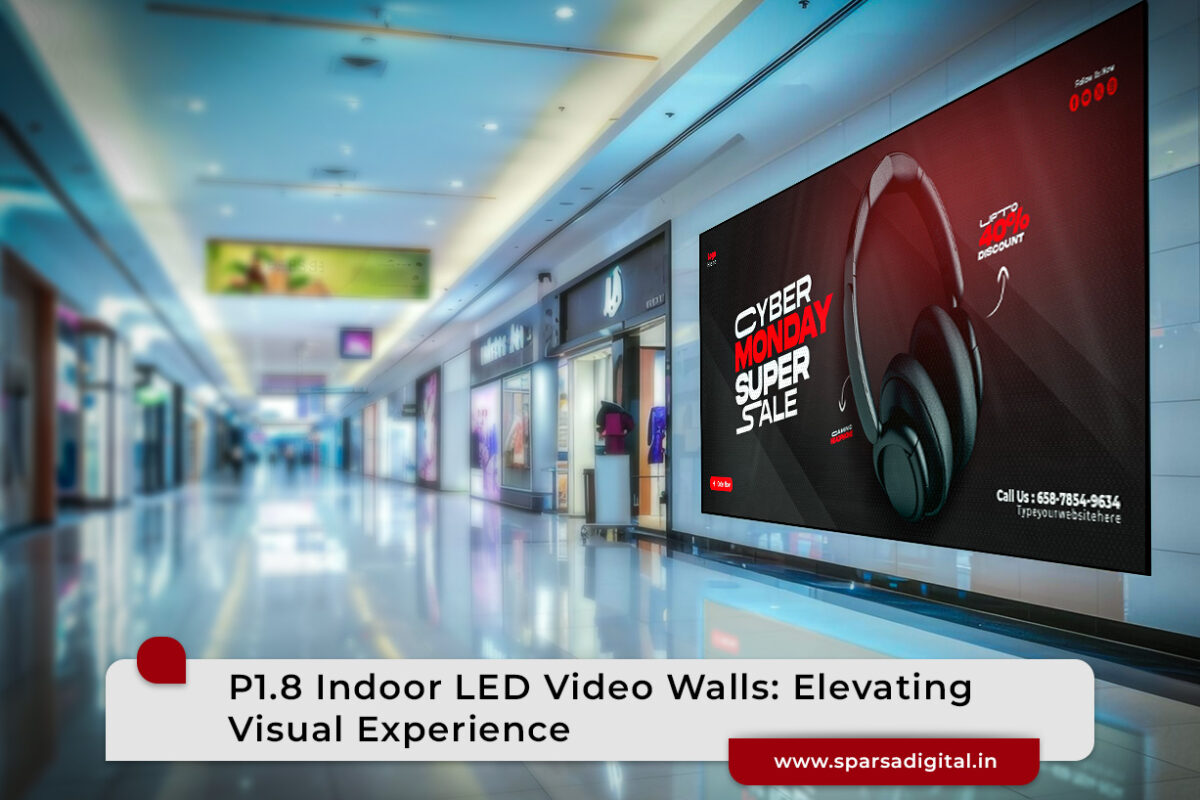
P1.8 Indoor LED Video Walls: Elevating Visual Experience

The digital display market is evolving rapidly, driven by technological advancements and the growing demand for high-quality, versatile display solutions. Among the most exciting innovations in this field are the P1.8 indoor active LED video wall and active LED screens. These technologies are redefining how we experience visual content, with applications spanning from commercial and retail spaces to entertainment venues and corporate environments.

In this blog, we will explore what makes P1.8 indoor active LED video walls and active LED screens so revolutionary. We will delve into their technical features, benefits, and practical applications, as well as their impact on various industries. Whether you’re a business owner looking to enhance your marketing strategy or a tech enthusiast curious about the future of display technology, this post will provide valuable insights into the world of advanced LED display solutions.

Understanding P1.8 Indoor Active LED Video Wall Technology

At the heart of this innovation is the P1.8 indoor active LED video wall. The term “P1.8” refers to the pixel pitch, which is the distance between the centers of two adjacent pixels on the LED screen. In this case, the pixel pitch is 1.8 millimeters, making it one of the finest pixel pitches available for indoor LED video walls. The smaller the pixel pitch, the higher the resolution and the clearer the image. This is especially important in environments where high-definition content is crucial, such as in retail displays, control rooms, and corporate presentations.

Indoor Led Video Wall

An “indoor” active LED video wall is specifically designed for use in indoor environments, where factors such as ambient light and space limitations need to be carefully considered. The active LED technology refers to the use of LEDs that can actively control each pixel’s brightness and color, offering more accurate and dynamic visuals compared to traditional passive displays.

Key Features of P1.8 Indoor Active LED Video Walls

  1. Ultra-high Resolution: With a pixel pitch of just 1.8mm, P1.8 LED video walls offer exceptionally sharp and clear visuals, even when viewed from up close. This makes them ideal for settings like trade shows, retail stores, and museums, where fine details are important.
  2. High Brightness: The high brightness levels of P1.8 LED video walls ensure that content remains visible and vibrant, even in well-lit indoor environments. This is particularly important in spaces with strong overhead lighting or large windows that let in a lot of natural light.
  3. Wide Viewing Angles: LED video walls offer wide viewing angles, allowing viewers to enjoy clear, consistent visuals from virtually any position in the room. This is crucial in large spaces like auditoriums or conference rooms, where the audience may be spread out.
  4. Seamless Integration: P1.8 LED video walls are designed to be modular, meaning individual panels can be seamlessly connected to create a large, unified display. This flexibility allows businesses to customize the size and shape of their video walls to fit the specific dimensions of their space.
  5. Energy Efficiency: Active LED technology is highly energy-efficient, ensuring that your video wall remains cost-effective in terms of power consumption. Despite their high brightness and resolution, P1.8 LED video walls use significantly less energy than traditional display technologies.
  6. Long Lifespan: LED technology is known for its longevity. P1.8 indoor active LED video walls can last for tens of thousands of hours, making them a durable investment for businesses and institutions.

The Rise of Active LED Screens

While LED video walls have become increasingly popular for large-scale displays, active LED screens are also gaining traction as versatile and dynamic solutions for various applications. Active LED screens, as opposed to passive displays, utilize advanced technology to control each individual pixel’s brightness, color, and refresh rate. This gives active LED screens a significant edge in terms of visual quality, responsiveness, and overall performance.

Active LED screens can be used in a variety of settings, from digital signage in retail stores to interactive displays in museums or corporate offices. Thanks to their modular nature, these screens can be customized to fit specific display requirements, ensuring that businesses can create unique visual experiences for their audiences.

Product Banner (1)

Advantages of Active LED Screens

  1. Superior Image Quality: The ability to control each pixel actively allows for more precise color reproduction and higher contrast ratios, ensuring vibrant, realistic images. Active LED screens provide an enhanced viewing experience, with crisp details even in fast-moving video content.
  2. Customizable Size and Shape: Like P1.8 indoor active LED video walls, active LED screens can be built to any size or shape, making them highly adaptable to different environments. Whether you need a small display for a retail counter or a massive wall-sized screen for a stadium, active LED screens can be tailored to your needs.
  3. Flexibility in Content Display: Active LED screens can display static images, videos, and even live content. With their high refresh rate and ability to display smooth, continuous motion, these screens are perfect for events, presentations, or digital signage applications.
  4. Interactive Capabilities: Many active LED screens feature touch-sensitive technology, allowing users to interact with the display. This opens up new possibilities for engaging customers, providing them with personalized experiences, or even offering interactive advertisements and product demos.
  5. Enhanced Durability: Active LED screens are built to withstand the wear and tear of frequent use. Their robust construction and advanced technology ensure that they can handle the demands of both indoor and outdoor environments.
  6. Energy-Efficiency and Low Maintenance: Active LED screens are energy-efficient and require minimal maintenance, making them a cost-effective long-term investment for businesses. Their long lifespan and low power consumption contribute to reduced operational costs over time.

Practical Applications of P1.8 Indoor Active LED Video Walls and Active LED Screens

The versatility of P1.8 indoor active LED video walls and active LED screens makes them suitable for a wide range of applications across different industries. Let’s take a look at some of the most common use cases for these advanced display solutions.

1. Retail and Digital Signage

In the retail world, capturing the attention of customers is paramount. P1.8 indoor active LED video walls are perfect for creating eye-catching digital signage that attracts passersby and encourages them to engage with the brand. Whether it’s promoting a new product, displaying an advertisement, or showcasing customer testimonials, the high resolution and vibrant visuals of LED video walls ensure that the message is delivered with maximum impact.

Active LED screens are also ideal for interactive retail experiences. For example, touch-enabled displays can allow customers to explore products, browse catalogs, or even make purchases directly from the screen, offering a seamless and engaging shopping experience.

2. Corporate and Conference Rooms

In corporate settings, P1.8 indoor active LED video walls are transforming boardrooms, meeting spaces, and conference rooms into dynamic environments for collaboration and communication. The high resolution and seamless design of the video walls make them perfect for presentations, video conferences, and live streaming events.

Active LED screens also play a crucial role in corporate settings, providing interactive solutions for brainstorming sessions, team meetings, and collaborative workshops. These screens can display real-time data, team updates, or digital whiteboards that foster collaboration and creativity.

3. Control Rooms and Command Centers

For mission-critical applications such as command centers, security monitoring, and network operation centers, P1.8 indoor active LED video walls offer unmatched clarity and reliability. Operators can monitor multiple video feeds and data sources simultaneously, with each screen providing detailed, high-resolution images for quick decision-making.

Active LED screens can be incorporated into control room setups to provide customized displays for different data types or to facilitate real-time communication between teams.

4. Entertainment and Events

In the entertainment industry, P1.8 indoor active LED video walls and active LED screens are increasingly being used in live events, concerts, theaters, and sports arenas. These screens are used to display stunning visuals, interactive content, or live footage, engaging audiences and enhancing the overall experience.

The ability to create large-scale, immersive displays with high resolution and vibrant colors makes these technologies particularly popular for events where visual impact is essential. The flexibility and scalability of LED screens also allow event organizers to design custom setups tailored to specific venues or event requirements.

5. Education and Museums

Educational institutions and museums are also adopting active LED technology to create interactive learning experiences. In classrooms and lecture halls, P1.8 indoor active LED video walls can be used to display educational videos, presentations, and visual aids in stunning detail.

Museums can benefit from active LED screens by using them to create immersive exhibits, providing visitors with interactive displays that enhance their learning experience. These screens can display dynamic content, 3D models, and even allow visitors to interact with exhibits using touch technology.

Conclusion

The P1.8 indoor active LED video wall and active LED screens represent the future of visual displays, offering high resolution, versatility, and advanced features that meet the needs of a wide range of industries. From retail and entertainment to corporate and educational applications, these display solutions are transforming the way businesses and institutions engage with their audiences.

As the demand for high-quality, interactive, and immersive displays continues to grow, the future of active LED technology looks incredibly bright.

Here’s-How-Digital-Menu-Boards-and-Signage-Solutions-for-Restaurants-Can-Transform-the-Overall-Dining-Experience

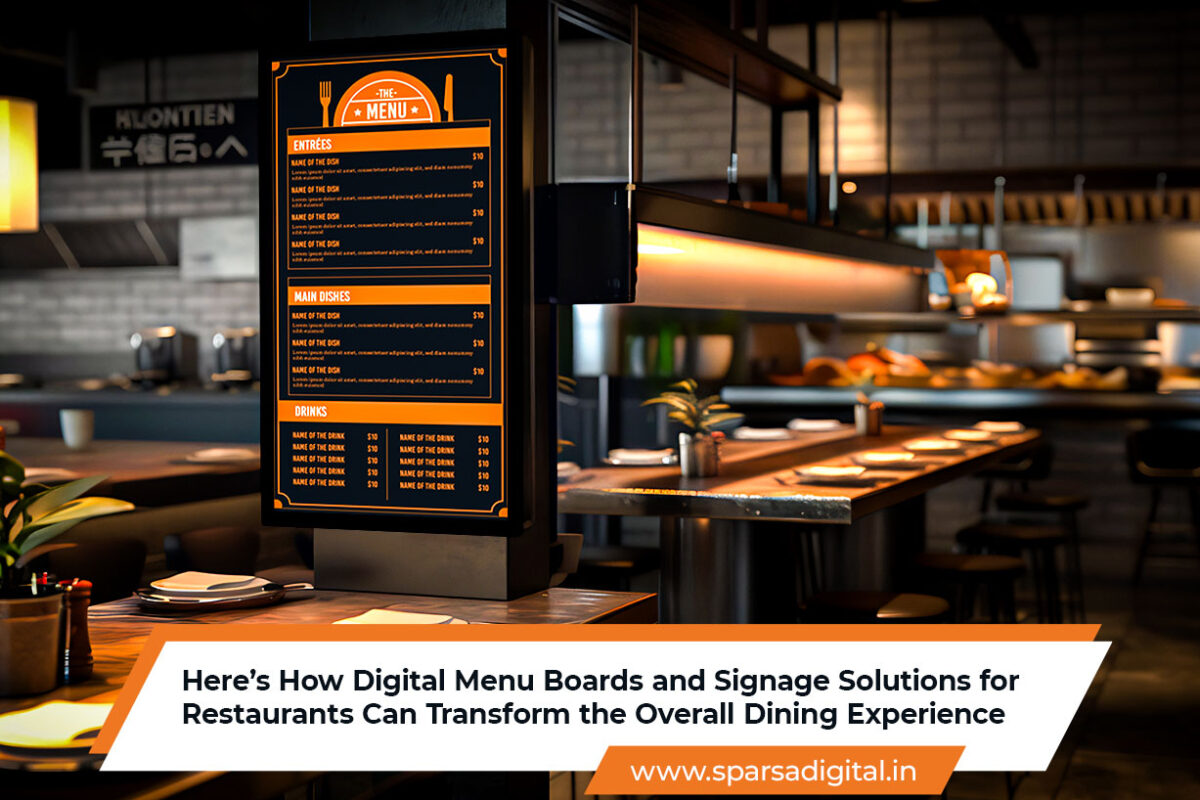
Here’s How Digital Menu Boards and Signage Solutions for Restaurants Can Transform the Overall Dining Experience

In today’s fast-paced, tech-savvy world, restaurants are increasingly turning to digital menu boards and advanced signage solutions for restaurants to enhance customer experience, streamline operations, and elevate their branding. As the dining industry becomes more competitive, restaurants must embrace innovative technologies to stay ahead of the curve, and digital signage offers an incredible way to improve communication, engagement, and efficiency.

This blog will explore how digital menu boards and comprehensive signage solutions for restaurants are transforming the dining industry. We will look at the advantages they bring to restaurants, how to implement them effectively, and the best practices for using these tools to boost business growth.

What Are Digital Menu Boards?

Digital menu boards are electronic displays that replace traditional printed menus with dynamic, customizable, and easily updateable digital screens. These boards are often seen in quick-service restaurants, casual dining establishments, and even high-end eateries. They display food and drink items, prices, and promotional content in real-time and can be updated remotely using digital signage software.

Typically, digital menu boards use LED or LCD screens that present high-quality visuals of menu items, along with engaging videos, promotions, or even nutritional information. They come in various sizes and configurations, and can be tailored to fit the needs of a specific restaurant, whether for indoor or outdoor use.

The Benefits of Digital Menu Boards for Restaurants

1. Increased Efficiency and Convenience

One of the major benefits of digital menu boards is the increased efficiency they bring to restaurant operations. With traditional printed menus, updating prices, promotions, or items requires reprinting and physically changing the menus, which can be time-consuming and costly. Digital menu boards, on the other hand, can be updated instantly through digital signage software. Whether you’re adjusting prices due to market fluctuations, adding a new dish to the menu, or promoting a limited-time offer, digital menu boards allow for quick and seamless updates across all displays.

2. Better Customer Engagement

Digital menu boards help engage customers by providing a visually appealing and interactive experience. High-quality images or videos of food items can tempt diners, showcasing their favorite dishes in vivid detail. Videos of chefs preparing food or promotional videos can add an extra layer of interest and excitement to the dining experience.

Furthermore, digital menus can rotate or highlight certain menu items based on the time of day, customer preferences, or even external factors like weather. For example, a restaurant could promote breakfast items in the morning, lunch specials in the afternoon, and evening cocktails or desserts later in the day. This level of customization allows restaurants to engage customers with dynamic content, leading to better decision-making and higher sales.

3. Improved Branding and Aesthetic Appeal

Digital menu boards also play a key role in strengthening a restaurant’s brand identity. Restaurants can customize the look and feel of their digital signage to match their brand colors, logos, and fonts, creating a cohesive and polished visual identity. This reinforces the overall ambiance of the restaurant, whether it’s modern and sleek, casual and friendly, or upscale and sophisticated.

Moreover, digital menu boards allow for creative displays and engaging content that printed menus simply can’t replicate. You can showcase promotions, social media feeds, or upcoming events seamlessly, enhancing the overall customer experience and making the space more interactive and appealing.

4. Efficient Space Management

For many restaurants, space is a premium. Digital menu boards allow for efficient space management by eliminating the need for bulky printed menus or posters. They can be strategically placed to fit in spaces that otherwise might not have been used effectively, such as the back wall of a counter or near the ordering area. Moreover, digital screens can display multiple menu categories at once, allowing restaurants to display more information in less space and improving the overall layout of the dining area.

5. Cost Savings Over Time

While the initial investment in digital menu boards can be substantial, they save money in the long term. Traditional printed menus need constant updating, reprinting, and replacement, which adds up over time. With digital signage, you can update content remotely and without any printing costs, saving your restaurant valuable resources. Furthermore, digital displays can help drive sales by promoting high-margin items or upselling, which improves profitability.

6. Better Communication with Customers

Effective communication with customers is essential in any restaurant. Digital menu boards provide a clear and concise way to communicate essential information such as menu items, prices, and promotions. But they also allow you to go beyond the basics and deliver a more personalized experience. For example, some digital menus can show the nutritional value of menu items, allergen information, or even fun facts about dishes, enhancing the overall dining experience and supporting customers in making informed decisions.

How Digital Signage Solutions Improve Restaurant Operations

In addition to digital menu boards, comprehensive signage solutions for restaurants offer a range of other tools that improve restaurant operations. These solutions include digital displays used for wayfinding, promotional messaging, event listings, and even customer feedback systems.

1. Wayfinding and Directing Customers

Digital signage can be placed strategically around the restaurant to help customers navigate the space easily. This is particularly useful in larger restaurants, food courts, or venues with multiple sections. Digital wayfinding signs can guide customers to the restrooms, order counters, or specific dining areas, improving the overall customer experience and reducing confusion.

In addition, for restaurants in busy environments like airports or shopping malls, digital signage helps customers find the restaurant, provides details about the menu, and even promotes special offers. This functionality enhances the customer experience by helping diners feel comfortable and informed in their surroundings.

2. Promotions and Upselling

Effective upselling is an art in the restaurant industry, and digital signage solutions make it easier than ever. Digital displays can be used to promote high-margin items, combo deals, or special offers. The ability to update content in real-time ensures that promotional messages are always fresh and relevant to your current business goals. For instance, a restaurant could showcase its seasonal dishes or suggest add-ons (such as a dessert or a drink) based on customer purchasing behavior.

Furthermore, digital signage solutions allow restaurants to run targeted ads that can be tailored to specific times of day, weather conditions, or customer demographics. For example, offering a hot drink special on a cold day or highlighting a summer salad during warmer weather can make promotions more relevant and drive sales.

3. Customer Feedback and Interaction

Many modern signage solutions for restaurants allow customers to provide feedback instantly through interactive displays or QR codes. Feedback systems can be integrated into digital signage, where customers can rate their experience, participate in loyalty programs, or share reviews directly from their table. This gives restaurants valuable insights into customer satisfaction and provides them with opportunities to make improvements on the spot.

4. Employee Communication and Staff Scheduling

Digital signage isn’t just for customers—it’s also a valuable tool for internal communication. Digital signage solutions in staff areas can display daily specials, staff schedules, training materials, and health and safety protocols. This ensures that all employees are on the same page, leading to more efficient operations and better customer service. By keeping staff informed in real-time, digital signage can help streamline daily restaurant operations.

Best Practices for Implementing Digital Menu Boards and Signage Solutions

  1. Keep the Content Simple and Visual


The beauty of digital menu boards lies in their visual appeal. Use high-quality images or videos of food items and keep the text simple and easy to read. Too much text can overwhelm customers and take away from the visual appeal of the display. Focus on key messages and highlight items that will drive sales.

  1. Regularly Update Content


Regularly refresh your digital signage solutions to ensure your content stays relevant. Adjust promotions, menu offerings, and pricing as needed. Digital signage software makes it easy to update multiple screens at once, so be sure to keep your content up-to-date.

  1. Optimize for Your Space


Consider the layout of your restaurant when placing digital menu boards. Ensure that they are visible from various angles and that they fit seamlessly into your restaurant’s aesthetic. In high-traffic areas, larger screens may be appropriate, while smaller screens may be better suited for individual tables or counters.

  1. Incorporate Interactivity


If possible, add interactive elements to your digital signage solutions, such as touchscreens or QR codes. This allows customers to engage with the content, place orders, or learn more about menu items, making the experience more enjoyable and personalized.

  1. Monitor Analytics and Adjust Strategies


Digital signage provides valuable analytics, such as customer interaction data and sales trends. Use this data to monitor how effective your digital menu boards and signage solutions are at driving sales, engagement, and customer satisfaction. Regularly assess performance and adjust strategies accordingly.

Conclusion

The integration of digital menu boards and comprehensive signage solutions for restaurants is changing the way dining establishments communicate with their customers. From increasing operational efficiency and improving customer engagement to enhancing brand visibility and upselling opportunities, digital signage is an invaluable tool for modern restaurants.

By leveraging the power of digital menu boards and interactive signage, restaurants can stay ahead of the competition, deliver an exceptional customer experience, and maximize their profitability. As technology continues to evolve, the role of digital signage will only become more prominent, offering endless opportunities for innovation and growth in the restaurant industry.