

Digital Price Tags and Electronic Shelf Labels Leading the Future of Retail Industry

Digital Price Tags and Electronic Shelf Labels Leading the Future of Retail Industry

Table Of Content

  • Introduction
  • What Are Digital Price Tags and Electronic Shelf Labels?
  • Benefits of Digital Price Tags and Electronic Shelf Labels
  • Real-Time Price Updates
  • Enhanced Customer Experience
  • Cost and Labor Efficiency
  • Sustainability and Environmental Benefits
  • How Digital Price Tags and Electronic Shelf Labels Work
  • Applications in Different Industries
  • Choosing the Right Digital Price Tag System
  • Future Trends in Digital Pricing Technology
  • Conclusion
  • FAQs

Introduction

The retail industry is undergoing a major digital transformation, and one of the most revolutionary innovations is the adoption of digital price tags and electronic shelf labels. These technologies are reshaping how businesses manage pricing, promotions, and inventory while enhancing the overall shopping experience.

What Are Digital Price Tags and Electronic Shelf Labels

Digital price tags, also known as electronic shelf labels (ESLs), are digital displays that replace traditional paper price tags. These electronic labels use wireless technology to update prices in real time, ensuring accurate pricing and eliminating the need for manual changes. Retailers can synchronize these digital labels with their central pricing systems to implement instant updates, promotions, and dynamic pricing strategies.

Benefits of Digital Price Tags and Electronic Shelf Labels

Real-Time Price Updates
One of the key advantages of digital price tags is the ability to update prices remotely. Retailers no longer need to manually replace thousands of paper tags when prices change. This ensures consistency across all stores and minimizes pricing errors that could lead to customer dissatisfaction.
Enhanced Customer Experience
Electronic shelf labels improve customer experience by displaying real-time promotions, QR codes, and product details. Shoppers can scan QR codes for additional product information, compare prices, or even check stock availability. This technology provides a more interactive and informed shopping experience.
Cost and Labor Efficiency
Switching to digital price tags significantly reduces labor costs associated with price adjustments. Employees can focus on customer service rather than manually updating price labels. Additionally, automated pricing ensures compliance with promotional schedules and reduces human errors.
Sustainability and Environmental Benefits
Using electronic shelf labels eliminates the need for paper price tags, reducing waste and supporting sustainability efforts. Retailers can contribute to environmental conservation by minimizing paper consumption and waste generation.

How Digital Price Tags and Electronic Shelf Labels Work

Digital price tags and electronic shelf labels operate using wireless communication technologies such as Bluetooth, Wi-Fi, or NFC (Near Field Communication). A central pricing system controls these labels, allowing retailers to make instant updates. The key components include:
E-paper or LCD display: Provides clear and easy-to-read price information.
Wireless connectivity: Enables remote updates from the store’s database.
Battery-powered operation: Ensures long-lasting performance with minimal maintenance.

Applications in Different Industries

While digital price tags are commonly used in retail, their applications extend to various industries, including:
Grocery stores & supermarkets: Real-time updates for fresh produce and dynamic pricing based on demand.
Electronics & appliance stores: Showcasing detailed product specifications and comparisons.
Pharmacies: Displaying accurate medication prices and dosage information.
Warehousing & logistics: Streamlining inventory management with real-time tracking.

Choosing the Right Digital Price Tag System

When selecting electronic shelf labels, consider the following factors:
Display type: Choose between e-paper or LCD based on visibility and energy efficiency.
Integration capability: Ensure compatibility with your POS and inventory management system.
Battery life: Look for long-lasting battery performance to reduce maintenance.
Customization options: Opt for labels that can display promotions, QR codes, and multi-language support.

The future of digital price tags and electronic shelf labels is promising, with advancements such as:
AI-driven pricing: Dynamic pricing based on demand, competition, and customer behavior.
IoT integration: Connecting digital labels with smart store systems for enhanced automation.
Augmented Reality (AR) displays: Providing immersive product information through interactive labels.

Conclusion

The implementation of digital price tags and electronic shelf labels is revolutionizing retail operations. These technologies offer improved pricing accuracy, operational efficiency, and enhanced customer engagement. As more businesses adopt digital pricing solutions, the retail landscape will continue to evolve toward a smarter, more sustainable future.

FAQs

1. How do digital price tags work?
Digital price tags use wireless technology to update prices in real time, ensuring accuracy and reducing manual labor.
2. Are electronic shelf labels expensive to implement?
While there is an initial investment, the long-term savings in labor, printing, and pricing accuracy make them cost-effective.
3. Can digital price tags integrate with existing POS systems?
Yes, most electronic shelf labels are designed to seamlessly integrate with POS and inventory management systems.
4. Do digital price tags require frequent maintenance?
No, digital price tags are designed for durability and have long battery life, reducing the need for frequent maintenance.
5. Are electronic shelf labels suitable for all types of stores?
Yes, electronic shelf labels can be used in supermarkets, electronics stores, pharmacies, and even warehouses.
By adopting digital price tags and electronic shelf labels, retailers can stay ahead of the competition, streamline pricing strategies, and improve overall efficiency.

How Digital Buffet Tags Improve Guest Satisfaction

Here’s How Digital Buffet Tags Improve Guest Satisfaction

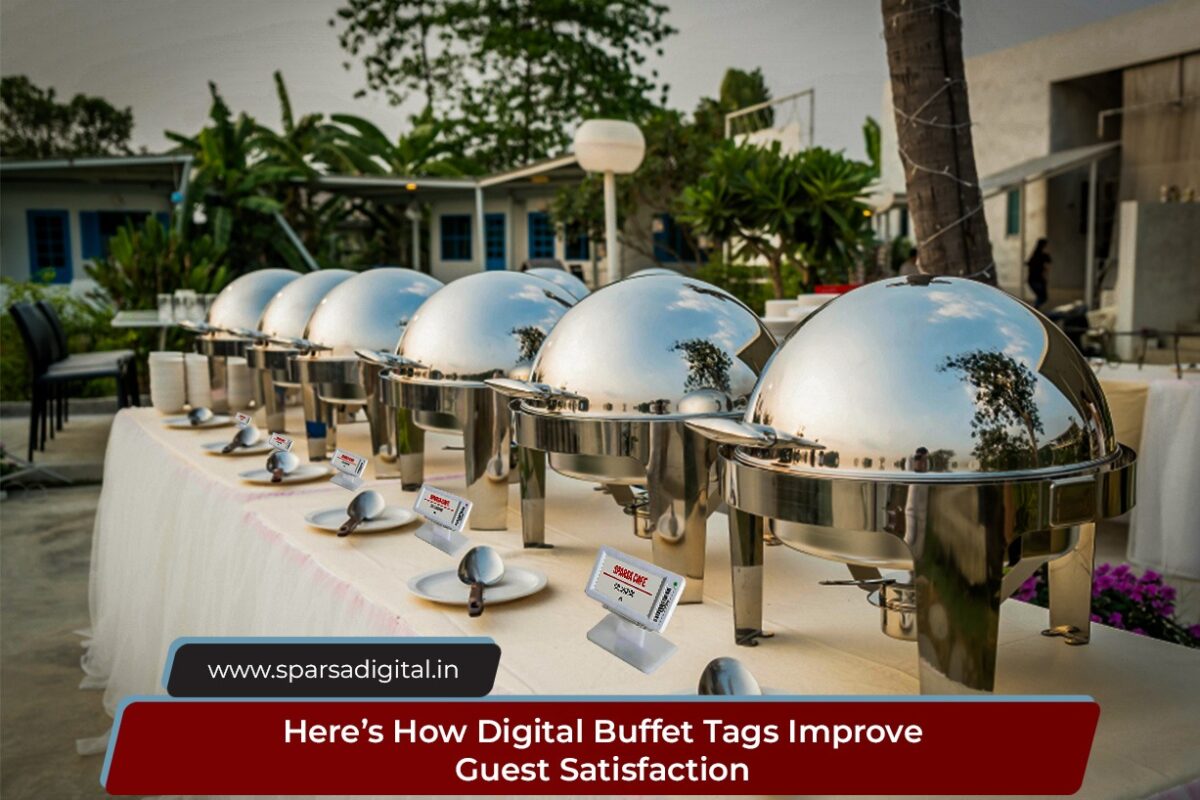
In the ever-evolving hospitality industry, enhancing guest satisfaction remains a top priority. One innovative approach that has gained traction is the adoption of digital buffet tags, also known as digital price tags. These electronic labels are revolutionizing the way hotels and restaurants present their buffet offerings, leading to improved operational efficiency and a more engaging dining experience.

Understanding Digital Buffet Tags

Digital buffet tags are electronic display systems designed to replace traditional paper labels used in buffet setups. Utilizing technologies like e-ink, these tags provide clear, customizable, and real-time information about food items. Their energy-efficient nature ensures that they consume power only when updating content, making them both sustainable and cost-effective.

Enhancing Guest Satisfaction Through Digital Buffet Tags

Real-Time Information Updates

One of the standout features of digital buffet tags is their ability to be updated instantly. This ensures that guests always have access to accurate information about the dishes being served, including any last-minute changes or additions. Such transparency fosters trust and enhances the overall dining experience.

Clear Allergen and Dietary Information

With increasing awareness of dietary restrictions and allergies, providing clear information is paramount. Digital buffet tags can prominently display allergen details, vegetarian or vegan indicators, and other dietary notes, allowing guests to make informed choices and feel more comfortable during their meals.

Multilingual Support

Catering to an international clientele requires effective communication. Digital tags can be programmed to display information in multiple languages, ensuring that guests from diverse backgrounds can easily understand the menu offerings without confusion.

Aesthetic and Modern Appeal

Beyond functionality, digital buffet tags contribute to the visual appeal of the buffet setup. Their sleek design and customizable displays add a touch of modernity and sophistication, enhancing the overall ambiance and leaving a positive impression on guests.

Reduction in Guest Inquiries

When buffet labels are unclear or missing, guests often need to ask staff about dish ingredients, dietary restrictions, or portion sizes. Digital buffet tags provide detailed and clear descriptions, significantly reducing the need for guests to inquire and allowing them to enjoy a seamless dining experience.

Enhanced Personalization

Advanced digital buffet tag systems can integrate with hotel or restaurant databases, offering personalized experiences. For example, guests with specific dietary preferences stored in their hotel profile can receive customized information, enhancing their experience.

Operational Benefits for Hospitality Providers

Efficiency in Menu Management

Transitioning from breakfast to lunch or updating menu items becomes seamless with digital tags. Staff can make changes centrally without the need to manually replace paper labels, saving time and reducing the potential for errors.

Sustainability and Cost Savings

By eliminating the need for printed materials, digital buffet tags align with eco-friendly initiatives and reduce ongoing costs associated with paper, printing, and lamination. This not only benefits the environment but also leads to significant financial savings over time.

Consistency Across Multiple Buffets

For establishments with multiple buffet stations or locations, maintaining consistency in labeling can be challenging. Digital tags ensure uniformity in presentation and information, reinforcing brand standards and enhancing the guest experience.

Improved Hygiene Standards

Traditional paper labels require frequent handling, which can lead to contamination risks, especially in buffet setups where hygiene is critical. Digital tags minimize physical contact, contributing to better food safety and hygiene compliance.

Cost Comparison: Digital vs. Traditional Buffet Tags

Implementing digital buffet tags involves an initial investment in hardware and software. However, when compared to the recurring expenses of traditional paper labels, the long-term savings become evident.

Initial InvestmentRecurring Expenses
Digital Buffet Tags:Costs include purchasing the electronic tags, setting up the management system, and training staff.Low ongoing costs, primarily related to occasional maintenance and software updates.
Traditional Paper Labels:Minimal initial costs involving basic printing supplies and holders.Continuous expenses for paper, printing, lamination, and the labor involved in creating and replacing labels.

Labor Costs

Hotels have reported significant labor savings with digital tags. For instance, an average hotel investing 15 minutes per service (with three daily services) in manual labeling could incur approximately $270 per month in personnel costs, totaling around $4,320 annually. Digital tags can reduce these tasks by 90%, allowing staff to focus on enhancing guest services.

Environmental Impact

The environmental benefits of reducing paper waste contribute to a hotel’s sustainability goals, which can also resonate positively with eco-conscious guests. Many hotels and restaurants are striving to meet sustainability targets, and switching to digital buffet tags aligns with these objectives.

Future of Digital Buffet Tags

Integration with Smart Systems

The future of this tags extends beyond just displaying food names. Integration with smart hospitality management systems will allow these tags to work in conjunction with digital menus, room service ordering, and guest preferences stored in loyalty programs.

AI-Powered Food Recommendations

Some advanced digital price tags are being developed with AI capabilities that can analyze guest preferences and recommend food items based on dietary habits or past choices. This personalized approach can significantly enhance the guest experience.

Interactive Features

Future iterations of digital buffet tags may include touch-screen capabilities, allowing guests to access in-depth details about ingredients, sourcing information, or even suggested pairings with other dishes and beverages.

Connectivity with Mobile Apps

Digital buffet tags can sync with mobile apps, allowing guests to scan QR codes to receive further information, nutritional data, and even chef recommendations. This adds an interactive element to the buffet experience, making it more engaging and informative.

Enhanced Branding Opportunities

Hotels and restaurants can use digital buffet tags as a branding tool by incorporating their logos, theme colors, and promotional messages. These small but impactful details contribute to a more cohesive and professional presentation.

Conclusion

The integration of digital buffet tags in the hospitality sector represents a strategic move toward enhancing guest satisfaction and operational efficiency. By providing real-time, clear, and customizable information, these digital solutions address the evolving needs of today’s diners. While the initial investment may be higher than traditional methods, the long-term benefits, ranging from cost savings to improved guest experiences, underscore the value of adopting digital buffet tags in modern hospitality settings.

As technology continues to advance, digital buffet tags will likely become a standard feature in buffets worldwide. Their ability to improve transparency, efficiency, and guest engagement makes them an invaluable asset for hotels, restaurants, and other food service providers looking to elevate their offerings.

Eco-Friendly Digital Buffet Tags Are a Sustainable Choice for Restaurants

The Eco-Friendly Shift: Why Digital Buffet Tags Are a Sustainable Choice for Restaurants

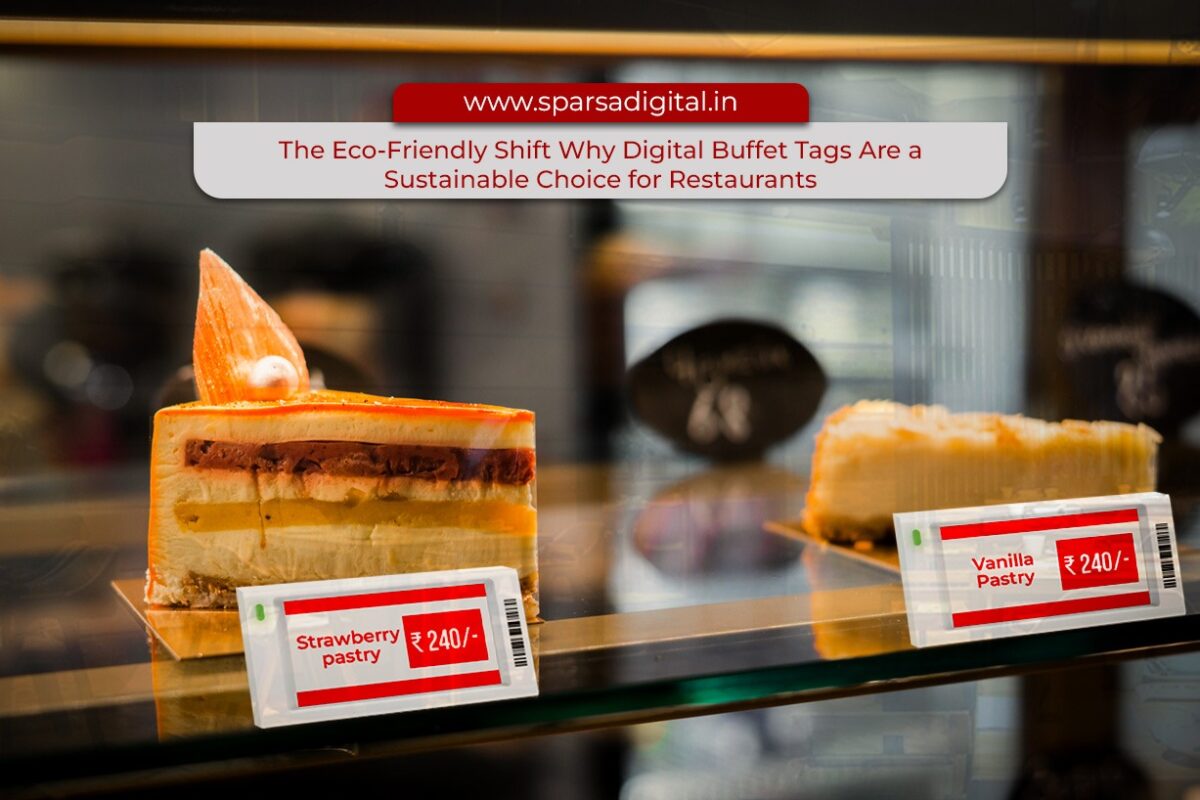
In today’s world, sustainability is a growing priority for businesses across all industries, including the hospitality sector. Restaurants and hotels are actively seeking ways to minimize waste, reduce their carbon footprint, and adopt more eco-friendly practices. One of the latest innovations contributing to this green shift is the use of digital buffet tags. Also known as digital price tags, these electronic labels are transforming the way buffet stations operate, offering numerous environmental benefits while enhancing operational efficiency.

The Growing Need for Sustainable Practices in Restaurants

The food service industry is known for its high levels of waste, including excessive paper usage, single-use plastics, and energy-intensive operations. Traditional buffet setups often rely on paper or laminated labels to display food names and pricing. These labels frequently need to be reprinted due to menu changes, spills, or wear and tear, leading to unnecessary waste.

Restaurants that embrace sustainable alternatives, such as digital buffet tags, not only contribute to environmental preservation but also improve cost efficiency and customer satisfaction. As consumer demand for green practices increases, adopting digital price tags becomes a strategic move that benefits both the business and the planet.

What Are Digital Buffet Tags?

Digital buffet tags are electronic labels that replace traditional paper or plastic signs used in buffet settings. These tags use e-ink or LCD displays to present food names, ingredients, prices, and allergen information. They can be updated wirelessly in real time, reducing the need for manual intervention and eliminating paper waste.

Many digital price tags are battery-operated and can last for several years without needing a replacement, making them a sustainable choice for restaurants aiming to reduce their environmental impact.

Environmental Benefits of Digital Buffet Tags

1. Reduction in Paper and Plastic Waste

Traditional buffet tags are often printed on paper and laminated with plastic to improve durability. Each time a menu changes, restaurants must reprint and replace these labels, leading to significant waste over time. With digital buffet tags, updates are made electronically, eliminating the need for disposable materials.

2. Lower Carbon Footprint

Printing buffet labels involves paper production, ink usage, and transportation—all of which contribute to carbon emissions. By switching to digital price tags, restaurants can drastically cut down on these emissions, aligning with sustainability goals and reducing their overall carbon footprint.

3. Energy Efficiency

Many digital buffet tags operate on low-energy e-ink displays, which consume power only when updates are made. Unlike LCD screens that require continuous power, e-ink technology is highly efficient, making digital tags an energy-saving solution for buffet displays.

4. Minimization of Food Waste

Accurate labeling of food items ensures that guests make informed choices, reducing the likelihood of food being wasted due to misidentification or dietary restrictions. Digital buffet tags allow restaurants to update allergen and ingredient information instantly, preventing unnecessary food disposal caused by labeling errors.

Cost Savings with Digital Buffet Tags

While the initial investment in digital price tags may be higher than traditional paper labels, the long-term savings are substantial. Here’s how:

1. Reduced Printing and Material Costs

Traditional buffet tags require regular printing, lamination, and replacement. Over time, these costs add up. By using digital buffet tags, restaurants eliminate these recurring expenses, leading to significant savings in the long run.

2. Lower Labor Costs

Manually updating buffet labels is a time-consuming process. Staff members need to print, cut, and replace paper labels every time the menu changes. Digital price tags streamline this process by allowing instant updates via a central management system, freeing up staff time for other important tasks.

3. Long-Term Durability

Paper and laminated labels deteriorate quickly, requiring frequent replacements. Digital buffet tags are designed to be durable and long-lasting, with some models offering battery life of up to 10 years. This durability reduces the need for continuous investment in new labels.

Enhancing Guest Experience with Digital Buffet Tags

Beyond sustainability and cost savings, digital buffet tags enhance the overall dining experience for guests. Today’s consumers appreciate eco-friendly initiatives, and digital signage adds a touch of modernity and efficiency to buffet presentations.

1. Real-Time Updates for Accuracy

Menu changes are common in buffets due to ingredient availability, dietary trends, and seasonal variations. With digital price tags, updates can be made instantly across multiple buffet stations, ensuring guests receive accurate and up-to-date information.

2. Clear Nutritional and Allergen Information

Providing transparent information about food ingredients and allergens is essential for guest satisfaction and safety. Digital buffet tags can display icons for gluten-free, vegan, nut-free, or dairy-free options, helping guests make informed dining choices.

3. Multilingual Support

Hotels and restaurants catering to international guests benefit from digital price tags that can switch between multiple languages. This feature reduces confusion and enhances accessibility for guests from different backgrounds.

4. Sleek and Modern Aesthetic

Beyond functionality, digital buffet tags add a modern and sophisticated look to buffet setups. Their clean and customizable displays create a polished, high-end presentation that aligns with contemporary dining aesthetics.

Implementing Digital Buffet Tags in Restaurants

Adopting digital buffet tags requires careful planning and integration into existing buffet operations. Here’s how restaurants can transition smoothly:

1. Choose the Right Technology

There are various types of digital price tags, including e-ink, LCD, and LED models. Restaurants should choose tags based on their budget, design preferences, and functionality requirements.

2. Integrate with a Central Management System

To maximize efficiency, digital buffet tags should be connected to a central management system that allows instant updates across multiple locations. This ensures consistency and accuracy in labeling.

3. Train Staff on Usage and Maintenance

While digital price tags require minimal upkeep, staff should be trained on how to update displays, change battery units (if needed), and integrate allergen or ingredient information.

4. Market the Eco-Friendly Initiative

Restaurants should inform guests about their sustainability efforts by highlighting the benefits of digital buffet tags through signage, social media, or in-house marketing materials. This can enhance brand reputation and attract environmentally conscious diners.

The Future of Digital Buffet Tags

As technology advances, digital price tags are expected to become even more sophisticated. Future innovations may include:

  • AI-powered recommendations – Digital tags that suggest food pairings or personalized recommendations based on guest preferences.

  • Touchscreen capabilities – Allowing guests to interact with the tags to access detailed nutritional information.

  • QR code integration – Enabling guests to scan a tag and view extended information on their smartphones.

  • Smart inventory tracking – Linking digital tags with inventory systems to provide real-time updates on food availability.

Conclusion

The adoption of digital buffet tags represents a significant step toward sustainability in the restaurant industry. By eliminating paper waste, reducing carbon footprints, and improving energy efficiency, these digital price tags align with global eco-friendly initiatives while offering operational and financial benefits.

As consumer demand for sustainable dining experiences continues to grow, restaurants that invest in digital buffet tags position themselves as forward-thinking, environmentally responsible establishments. This innovative technology not only enhances buffet management but also elevates guest satisfaction and reinforces a commitment to sustainability.

For restaurants looking to make a lasting impact, both on their bottom line and on the planet. digital buffet tags are a sustainable choice that paves the way for a greener future in hospitality.

Revolutionizing Vertical Spaces via Elevator Digital Signage and Mini Screens

Revolutionizing Vertical Spaces via Elevator Digital Signage and Mini Screens

In the fast-paced world of digital communication, businesses and building managers are constantly searching for innovative ways to grab attention. One of the most effective and increasingly popular methods is the use of elevator digital signage and mini screens. These tools are transforming otherwise mundane elevator rides into powerful moments of communication and engagement.

Whether you’re a property manager of a high-rise, an advertiser looking for fresh ad real estate, or a corporate leader aiming to boost internal communications, elevator digital signage offers a sleek and impactful solution. In this post, we’ll explore everything you need to know about elevator digital signage and mini screens—from benefits and applications to installation tips and frequently asked questions.

What is Elevator Digital Signage?

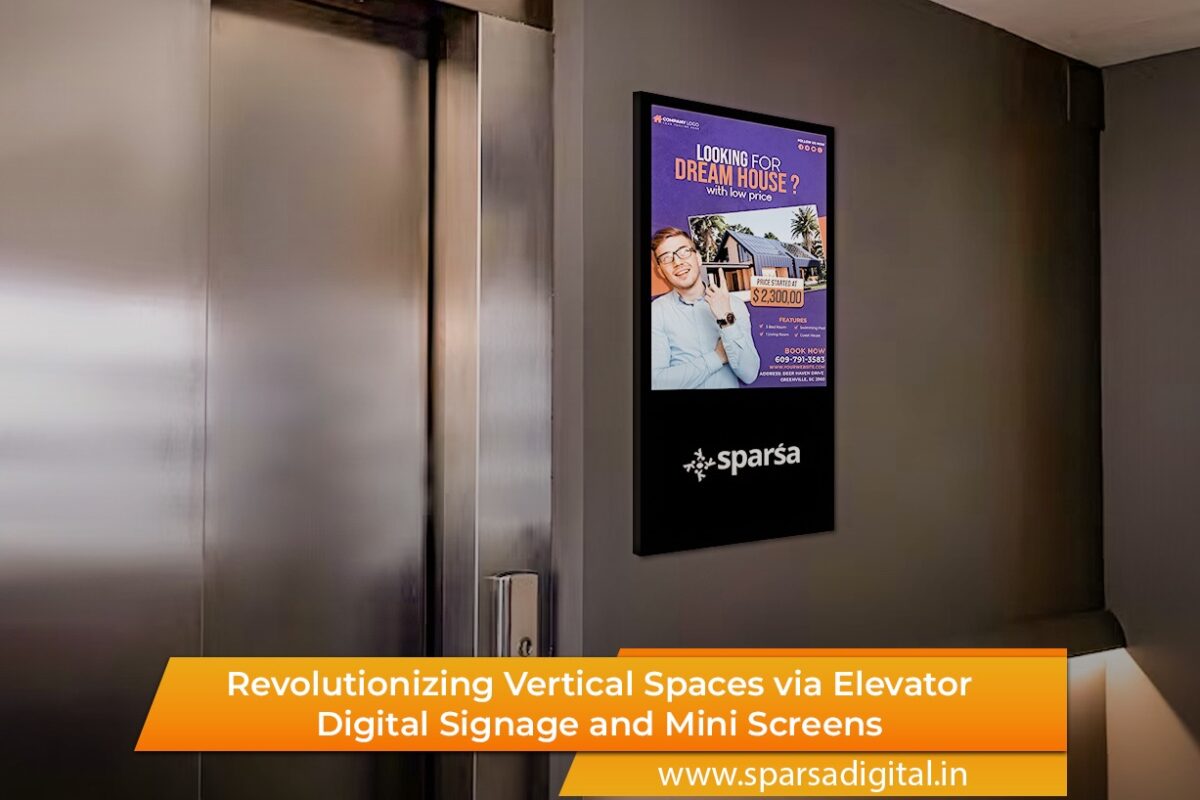
Elevator digital signage refers to the installation of digital screens inside or near elevators, which display content such as advertisements, announcements, weather updates, news, or custom media. These screens vary in size but are often designed as mini screens to fit the limited space inside elevators.

These digital displays can be mounted on elevator doors, walls, or even integrated into the control panels. With content controlled remotely through cloud-based platforms, elevator digital signage offers flexibility and real-time updates with minimal manual intervention.

Why Use Elevator Digital Signage?

Elevators are a captive environment. Think about it—how often do you pull out your phone in an elevator? Not always possible, especially in signal-dead zones. This gives digital screens a distinct advantage in capturing attention. Here are a few key benefits:

1. High Engagement Rates

Elevator passengers are a captive audience with little to distract them. As a result, mini screens in elevators see significantly higher engagement compared to traditional billboards or even large-scale digital signage in open spaces.

2. Targeted Messaging

You can tailor content based on time of day, building demographics, or even specific floors. For instance, a corporate office might use the screens for HR announcements in the morning and motivational quotes in the afternoon.

3. Revenue Generation

For property managers, selling ad space on elevator digital signage creates a passive income stream. Brands love it because it guarantees impressions in premium locations.

4. Modernization & Aesthetic Appeal

Installing sleek mini screens gives your building a futuristic, high-tech feel. It’s a simple way to modernize your environment without a full-scale renovation.

5. Real-time Updates

Thanks to cloud-based CMS (Content Management Systems), elevator digital signage can be updated instantly. Whether it’s an emergency alert or a last-minute event, your message gets through instantly.

Common Use Cases

Here are a few industries and locations where elevator digital signage and mini screens make a big impact:

1. Commercial Buildings

Office complexes use digital signage for internal communication, branding, or leasing information. It’s also a great platform for emergency alerts.

2. Hotels

Display concierge services, restaurant menus, or local attractions right in the elevator. This enhances the guest experience and promotes on-site amenities.

3. Hospitals

Use mini screens to share wayfinding information, health tips, or important announcements with patients and visitors.

4. Shopping Malls

Advertise stores, discounts, and events as shoppers travel between floors. Elevators become an extension of the mall’s marketing.

5. Residential Towers

From community announcements to package delivery notifications, digital signage makes life smoother for residents and building managers alike.

Types of Elevator Digital Signage

Not all screens are created equal. Choosing the right type depends on your goals and elevator configuration.

1. Wall-mounted Mini Screens

Perfect for elevators with some wall space. These are compact, easy to install, and cost-effective.

2. Flush-mounted Displays

Built directly into the elevator wall or panel, offering a sleek and integrated look.

3. Door-mounted Screens

Placed on elevator doors (inside or outside), these grab attention as soon as someone waits for the elevator.

4. Ceiling-mounted Displays

While less common, ceiling-mounted screens can be effective when floor and wall space is limited.

Features to Look For

When selecting an elevator digital signage system, look for these essential features:

  • High-resolution Display: Crisp visuals are essential in smaller spaces.

  • Durability: Must withstand vibrations and elevator movement.

  • Remote Content Management: Easily update content via cloud CMS.

  • Scheduling Capabilities: Change messages based on time, date, or audience.

  • Interactive Touchscreen (optional): Especially useful in hotels or hospitals for quick info access.

How to Install Mini Screens in Elevators

1. Site Assessment

Start by evaluating the elevator’s dimensions, wall type, power sources, and connectivity options.

2. Choose the Right Screen Size

Mini screens generally range from 7 to 21 inches. For most elevators, 10-15 inch screens strike the right balance between visibility and space.

3. Ensure Connectivity

Wi-Fi is ideal for cloud content updates, but some systems also support 4G or Ethernet connections.

4. Mounting

Use vibration-proof mounts and ensure the screens are securely fastened. Screens should be placed at eye level for maximum visibility.

5. Power Source

Plan for continuous power supply. Some setups may require dedicated lines, while others can tap into existing elevator lighting circuits.

6. Compliance & Safety

Always consult local building codes and fire regulations before installation. Safety is paramount in vertical transportation.

Elevator Digital Signage Content Ideas

Content is king; even on a 10-inch screen. Here are some content ideas to keep viewers engaged:

  • News & weather updates

  • Building announcements

  • Inspirational quotes

  • Tenant directories

  • QR codes for promotions

  • Branded animations

  • Emergency alerts

  • Real-time social media feeds

Remember, content should be short, visual, and loop seamlessly.

Elevator Digital Signage vs. Traditional Advertising

FeatureElevator Digital SignageTraditional Signage
EngagementHighVariable
Real-time updatesYesNo
Content customizationHighLow
Space efficiencyExcellentModerate
Cost over timeLow (after setup)Recurring

Digital wins almost every time, especially in terms of ROI, flexibility, and aesthetics.

As technology evolves, so do the possibilities:

  • AI-powered content scheduling

  • Voice-activated screens

  • Integration with building management systems

  • Personalized content via mobile sync

  • Eco-friendly, low-power LED panels

Soon, elevators may become full-fledged communication hubs, not just a way to get from A to B.

FAQs About Elevator Digital Signage and Mini Screens

Q1: Are elevator digital signage screens safe to install?

Yes. When installed by certified professionals and compliant with local regulations, they are perfectly safe. Always use vibration-proof mounts and power surge protection.

Q2: What kind of content can I display?

Anything visual—text, video, animations, news tickers, weather updates, and even interactive elements (if your screen supports it).

Q3: How do I update the content on my screens?

Most systems use a cloud-based CMS that lets you update and schedule content remotely in real time.

Q4: Do these systems work during power outages?

Not typically, unless you have a backup power system. Emergency content is best managed through the building’s primary systems.

Q5: How durable are mini screens in elevators?

Mini screens designed for elevators are built to handle vibration, motion, and extended usage. Look for IP-rated and shockproof models.

Q6: Can I use elevator signage for advertising?

Absolutely. You can sell ad space to local businesses or use it to promote in-building services.

Q7: What about privacy concerns?

Content should be general and not tied to individual users unless explicit consent is given (e.g., syncing with mobile apps).

Final Thoughts

Elevator digital signage and mini screens are reshaping how we communicate in vertical spaces. They’re not just about ads- they’re about engagement, information, and innovation. Whether you’re managing a corporate tower or designing a new luxury residential complex, this tech offers an unbeatable blend of style and substance.

By making elevators smarter, you’re not just elevating people- you’re elevating experiences.

Want to get started with elevator digital signage in your building?
Book your call with us at Sparsa Digital today and turn your elevators into communication powerhouses. Schedule your appointment now!

The Future of Marketing Digital Billboard Advertising and Billboard Software

The Future of Marketing: Digital Billboard Advertising and Billboard Software

Table of Content

  • Introduction
  • What is Digital Billboard Advertising?
  • Benefits of Digital Billboard Advertising
  • Dynamic and Real-Time Content Updates
  • Cost-Effectiveness and ROI
  • High Visibility and Audience Engagement
  • Environmental and Sustainability Benefits
  • How Billboard Software Enhances Advertising Efficiency
  • Applications of Digital Billboard Advertising
  • Choosing the Right Billboard Software
  • Future Trends in Digital Billboard Advertising
  • Conclusion
  • FAQs

Introduction

In today’s fast-paced digital world, digital billboard advertising is transforming the way businesses reach their target audience. Unlike traditional static billboards, digital billboard advertising offers dynamic, real-time content updates, greater flexibility, and improved engagement. Supported by advanced billboard software, advertisers can schedule, automate, and analyze ad campaigns for better efficiency and effectiveness.

What is Digital Billboard Advertising?

Digital billboard advertising refers to the use of electronic displays, such as LED or LCD screens, to broadcast advertisements in high-traffic areas. These billboards can showcase static images, videos, animations, and real-time content, making them more interactive and engaging than traditional print billboards.

Benefits of Digital Billboard Advertising

Dynamic and Real-Time Content Updates

One of the key advantages of digital billboard advertising is its ability to update content instantly. Businesses can modify their advertisements remotely using billboard software, allowing for real-time promotions, event announcements, and seasonal offers.

Cost-Effectiveness and ROI

Although digital billboard advertising requires an initial investment, it reduces long-term costs associated with printing and replacing traditional billboards. Advertisers can run multiple campaigns on the same screen, maximizing their return on investment.

High Visibility and Audience Engagement

With their bright displays and dynamic content, digital billboards grab attention more effectively than traditional billboards. This increased engagement leads to higher brand awareness and customer conversions.

Environmental and Sustainability Benefits

Switching to digital billboard advertising reduces the need for paper and printing, making it an eco-friendly option. Additionally, LED technology used in digital billboards consumes less energy, contributing to sustainable advertising solutions.

How Billboard Software Enhances Advertising Efficiency

Billboard software plays a crucial role in managing and optimizing digital billboard advertising campaigns. It provides features such as:
Remote Content Management: Advertisers can update content from anywhere, ensuring timely and relevant messaging.
Scheduling and Automation: Enables businesses to set specific times for different ads to display, maximizing audience reach.
Data Analytics and Performance Tracking: Provides insights into audience engagement and campaign effectiveness.

Applications of Digital Billboard Advertising

Retail and Shopping Centers
Malls and retail outlets use digital billboards to promote sales, new arrivals, and in-store events.
Transportation Hubs
Airports, train stations, and bus stops leverage digital billboard advertising to share travel information, brand promotions, and safety messages.
Entertainment and Events
Concerts, theaters, and sports stadiums use billboard software to manage event schedules, sponsorships, and advertisements.
Corporate and Brand Marketing
Businesses utilize digital billboards for corporate branding, product launches, and real-time marketing campaigns.

Choosing the Right Billboard Software

When selecting billboard software, consider the following:
Cloud-Based vs. On-Premise Solutions: Cloud-based software allows remote access, while on-premise solutions provide in-house control.
Content Compatibility: Ensure the software supports various media formats, including images, videos, and live feeds.
Analytics and Reporting: Look for software that offers real-time performance tracking and audience insights.
Scalability: Choose software that can adapt to your growing advertising needs.

The future of digital billboard advertising is evolving with advancements such as:
Artificial Intelligence (AI) and Machine Learning: Personalized and targeted advertisements based on audience behavior.
Interactive and Augmented Reality (AR) Billboards: Engaging consumers with immersive experiences.
Programmatic Advertising: Automated ad placements based on data-driven decision-making.
Sustainable and Energy-Efficient Displays: Continued innovations in eco-friendly digital signage.

Conclusion

Digital billboard advertising is revolutionizing the advertising industry by offering real-time content updates, high audience engagement, and cost-effective marketing solutions. With the support of advanced billboard software, businesses can optimize their ad campaigns, track performance, and improve audience targeting.
As technology continues to advance, the future of digital billboard advertising looks promising, with AI-driven personalization, interactive billboards, and sustainable innovations shaping the industry. Businesses that embrace digital billboard advertising will gain a competitive edge by delivering impactful, data-driven, and engaging marketing campaigns.
For brands seeking innovative and efficient ways to connect with consumers, investing in digital billboard advertising and billboard software is the way forward. By leveraging real-time content management, automation, and analytics, businesses can maximize their marketing impact and drive greater brand visibility in the digital era.
Furthermore, the integration of smart technology in billboard software ensures advertisers can make data-driven decisions, enhancing customer engagement and improving return on investment. Digital billboards allow for adaptive advertising strategies, ensuring that brands remain relevant in an ever-changing market.
The transformation from static to dynamic digital billboards marks a significant milestone in outdoor advertising. Companies that adopt digital billboard advertising early will establish themselves as forward-thinking industry leaders. As more businesses turn to digital solutions, embracing this innovative form of advertising will be essential to staying competitive and capturing audience attention effectively.

FAQs

1. How does digital billboard advertising work?
Digital billboard advertising uses LED or LCD screens to display dynamic content, managed remotely through billboard software.
2. What are the costs associated with digital billboard advertising?
While initial setup costs can be high, digital billboards reduce ongoing expenses by eliminating printing and replacement costs.
3. Can digital billboards display real-time updates?
Yes, businesses can instantly update their ads and promotions using billboard software, ensuring timely and relevant content.
4. Is digital billboard advertising eco-friendly?
Yes, digital billboard advertising reduces paper waste and utilizes energy-efficient LED technology for sustainable marketing.
5. How can billboard software improve advertising efficiency?
Billboard software allows remote content management, automated scheduling, and performance tracking, enhancing campaign effectiveness.
By leveraging digital billboard advertising and billboard software, businesses can create impactful, engaging, and cost-effective marketing campaigns for a tech-driven world.

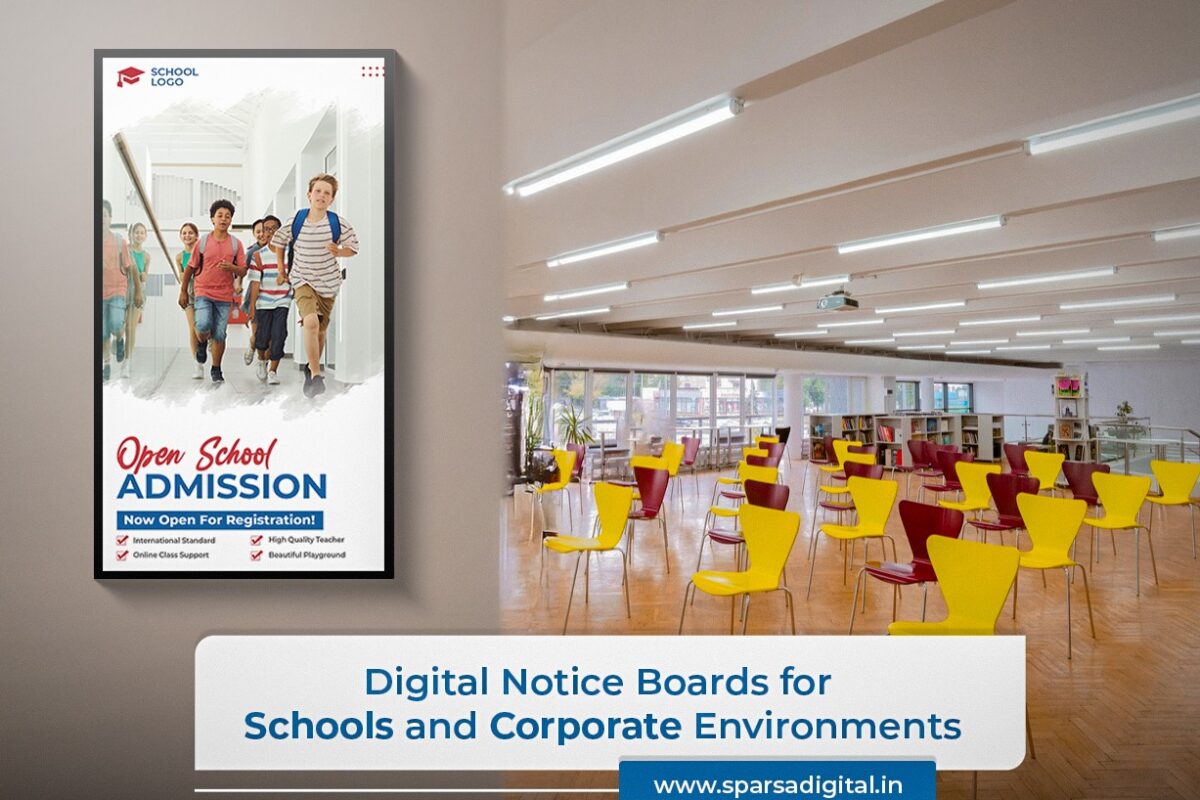
Digital Notice Boards for Schools and Corporate Environments

Digital Notice Boards for Schools and Corporate Environments

  • Introduction
  • What is a Digital Notice Board?
  • Benefits of Digital Notice Boards
  • Real-Time Updates
  • Enhanced Communication
  • Cost and Environmental Efficiency
  • Customization and Interactivity
  • How Digital Notice Boards Work
  • Applications in Schools
  • Applications in Corporate Environments
  • Choosing the Right Digital Notice Board System
  • Future Trends in Digital Notice Board Technology
  • Conclusion
  • FAQs

Introduction

In today’s fast-paced world, traditional bulletin boards are being replaced by digital notice boards to streamline communication and information sharing. Whether in schools or corporate settings, digital notice boards offer a modern, dynamic, and efficient way to display announcements, schedules, and important updates. With real-time updates and engaging multimedia content, these digital solutions are revolutionizing how information is disseminated.

What is a Digital Notice Board?

A digital notice board is an electronic display system used to share announcements, news, and other essential information in an organization. These notice boards leverage LED, LCD, or e-paper technology to present real-time updates in a visually appealing manner. Unlike traditional static boards, digital notice boards can integrate multimedia elements such as images, videos, and animations to enhance engagement.

Benefits of Digital Notice Boards

Real-Time Updates
One of the most significant advantages of digital notice boards is their ability to update content instantly. Whether displaying emergency notifications or routine announcements, administrators can make real-time changes remotely, ensuring everyone stays informed.
Enhanced Communication
In both schools and corporate settings, digital notice boards facilitate clear and effective communication. They eliminate outdated paper notices and reduce confusion by presenting consistent, easily accessible information.
Cost and Environmental Efficiency
By replacing paper-based announcements, digital notice boards contribute to environmental sustainability. Schools and businesses save money on printing costs while reducing paper waste, promoting eco-friendly practices.
Customization and Interactivity
Digital notice boards allow customization to fit specific needs. Users can schedule content, include QR codes for additional resources, and integrate interactive elements to boost engagement. This flexibility enhances the way information is presented and consumed.

How Digital Notice Boards Work

A digital notice board operates using cloud-based or local software that manages content display. The key components include:
Display Screen: LED, LCD, or e-paper screens provide a clear visual presentation.
Content Management System (CMS): A software platform that enables users to create, schedule, and update content remotely.
Internet or Network Connectivity: Allows seamless remote access and integration with databases, calendars, and other systems.

Applications in Schools

Classroom Announcements
Teachers can use digital notice boards to display schedules, assignments, and exam timetables, ensuring students remain well-informed.
Emergency Alerts
Schools can instantly broadcast emergency messages regarding weather conditions, lockdowns, or other safety concerns.
Student Engagement
Interactive digital notice boards encourage student participation by displaying achievements, event details, and motivational messages.

Applications in Corporate Environments

Internal Communication
Corporations use digital notice boards to streamline internal messaging, ensuring employees are updated on company news, HR policies, and performance metrics.
Meeting and Conference Room Schedules
Displaying meeting room bookings and corporate event schedules helps in optimizing workplace organization.
Employee Recognition
Businesses can showcase employee achievements, birthdays, and milestones to foster a positive work environment.

Choosing the Right Digital Notice Board System

When selecting a digital notice board, consider the following factors:
Display Type: Choose between LED, LCD, or e-paper based on readability and energy efficiency.
Software Compatibility: Ensure it integrates with existing communication and scheduling systems.
Remote Access: Look for cloud-based solutions that allow remote updates.
Customization Features: Opt for systems that support multimedia and interactive content.

The future of digital notice boards is promising, with advancements such as:
AI-Powered Content Scheduling: Automated updates based on user engagement and preferences.
Touchscreen and Voice-Activated Displays: Enhancing interactivity for better user experience.
Augmented Reality (AR) Integration: Allowing users to access 3D content and immersive presentations.

Conclusion

The shift to digital notice boards is transforming communication in schools and corporate environments. By offering real-time updates, interactive content, and cost-effective solutions, these digital tools improve efficiency and engagement. Whether for student announcements or corporate briefings, digital notice boards are an essential innovation in modern communication.
With continuous technological advancements, organizations can expect even more sophisticated digital notice board systems, incorporating AI, interactivity, and sustainability. The adoption of these systems not only enhances information sharing but also supports an eco-friendly and digitally driven future.
For educational institutions and businesses seeking a reliable, future-proof communication tool, investing in digital notice boards is a smart decision. As workplaces and schools continue to evolve, digital signage will play a crucial role in streamlining information flow, ensuring accessibility, and fostering an engaged community.

FAQs

1. How do digital notice boards work?
Digital notice boards operate using a centralized content management system that allows real-time updates and remote access.
2. Are digital notice boards expensive to maintain?
While the initial setup may require investment, digital notice boards reduce long-term costs by eliminating paper waste and printing expenses.
3. Can digital notice boards be used for emergency notifications?
Yes, digital notice boards are ideal for emergency alerts, ensuring instant communication during critical situations.
4. Do digital notice boards require internet connectivity?
Some digital notice boards function offline, but internet connectivity enhances remote accessibility and content updates.
5. What industries can benefit from digital notice boards?
Beyond schools and corporates, digital notice boards are used in hospitals, hotels, retail stores, and government offices for effective communication.

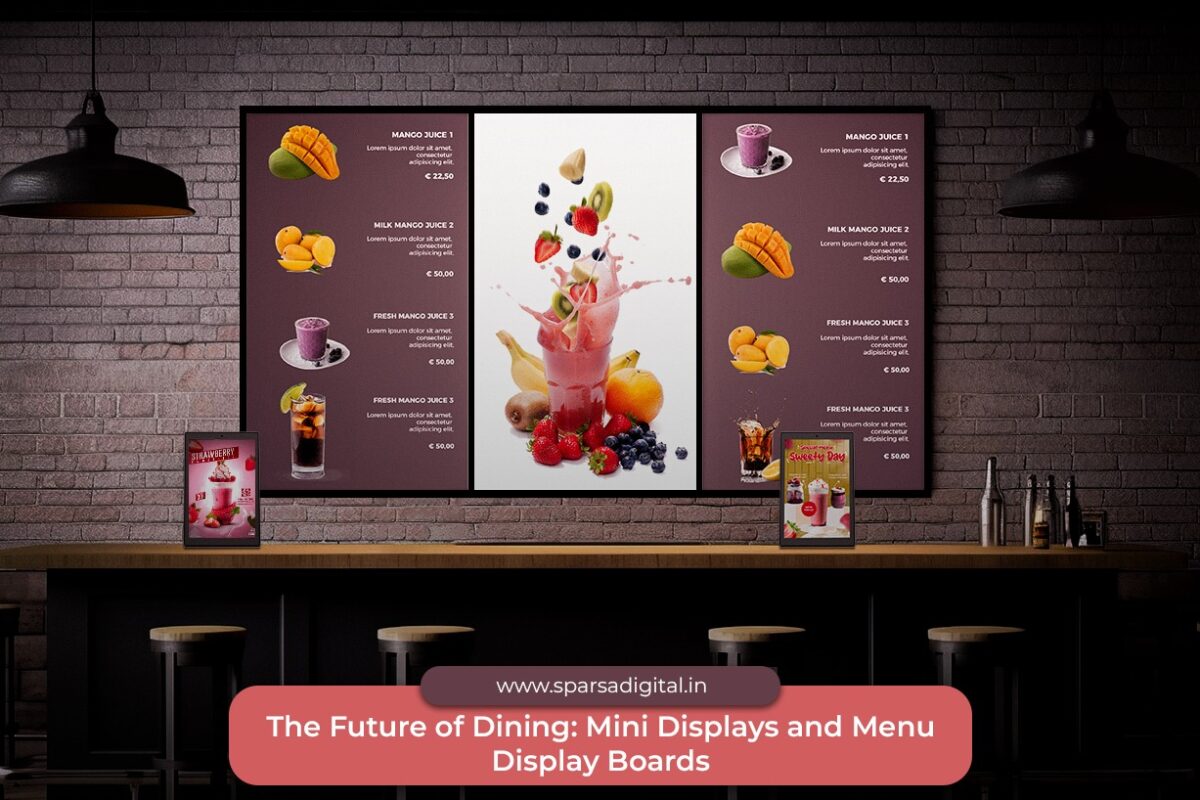
The Future of Dining Mini Displays and Menu Display Boards

The Future of Dining: Mini Displays and Menu Display Boards

  • Table of Contents
  • Introduction
  • The Rise of Mini Display (Digital Table Tops)
  • Menu Display Boards: A Digital Revolution
  • Benefits of Using Digital Menu Displays
  • Improved Customer Experience
  • Easy Content Management
  • Enhanced Marketing Opportunities
  • How to Choose the Right Digital Table Top and Menu Display Board
  • Future Trends in Digital Display Technology
  • Conclusion

Introduction

The digital transformation has taken the restaurant and hospitality industry by storm. Among the most notable innovations are mini displays (digital table tops) and menu display boards. These cutting-edge tools have revolutionized how restaurants engage with customers, making information more accessible and enhancing the overall dining experience.

The Rise of Mini Display (Digital Table Tops)

Mini displays, often referred to as digital table tops, have become an integral part of modern dining experiences. These compact yet powerful devices allow customers to browse the menu, place orders, and even make payments without requiring direct interaction with waitstaff. Such automation enhances efficiency and improves customer satisfaction by reducing wait times.
Restaurants, cafes, and even fast-food chains are investing in digital table tops to offer a more interactive and engaging experience. They not only provide a modern touch but also serve as an effective marketing tool, displaying promotions and personalized recommendations to customers.

Menu Display Boards: A Digital Revolution

Traditional printed menus are gradually being replaced by menu display boards, which are digital screens showcasing the restaurant’s offerings. These displays are commonly found at quick-service restaurants, coffee shops, and even fine-dining establishments. They allow for real-time updates, ensuring that menus remain accurate and appealing.
With dynamic content, menu display boards can highlight special offers, combo deals, and even high-margin items, influencing customer purchasing decisions. The digital format eliminates the need for constant reprinting, reducing costs and improving sustainability.

Benefits of Using Digital Menu Displays

Improved Customer Experience
Digital displays provide customers with visually appealing and easy-to-read menus. They can feature high-resolution images, animations, and videos that make food items more enticing. The interactive nature of mini displays (digital table tops) further enhances engagement, offering a seamless ordering experience.
Easy Content Management
One of the biggest advantages of digital menu solutions is the ability to update content in real time. Restaurant owners can quickly modify menu items, prices, or promotions without incurring additional printing costs. Whether introducing seasonal specials or modifying ingredients, menu display boards ensure that information remains current.

Enhanced Marketing Opportunities
Digital signage allows for targeted advertising and promotions. Mini displays (digital table tops) can be programmed to display promotions based on time of day, customer preferences, or inventory levels. Restaurants can also use them to upsell items by suggesting add-ons or meal upgrades.

How to Choose the Right Digital Table Top and Menu Display Board

When selecting a mini display (digital table top) or menu display board, consider the following factors:
Screen Size & Resolution: Ensure that the display is clear and easy to read.
Interactivity: Some digital table tops come with touchscreen capabilities for enhanced engagement.
Software & Integration: Choose a system that integrates well with your POS (Point of Sale) system.
Durability: Displays in a restaurant setting should be sturdy and resistant to spills or damage.
Customization: The ability to tailor content to reflect your brand’s identity is essential.

As technology advances, digital displays will continue to evolve. Some emerging trends include:
AI-Powered Menus: Personalized recommendations based on customer history and preferences.
Voice Command Integration: Enabling hands-free interaction with mini displays (digital table tops).


Augmented Reality (AR): Allowing customers to visualize dishes in 3D before ordering.
Contactless Payments: Further streamlining the ordering and payment process.

Conclusion

The adoption of mini displays (digital table tops) and menu display boards is transforming the restaurant industry. These digital solutions enhance customer experience, streamline operations, and provide powerful marketing tools. As technology continues to evolve, businesses that leverage these innovations will stay ahead of the competition.
Furthermore, digital menu solutions contribute to sustainability by reducing paper waste and printing costs. They also provide an opportunity to gather valuable customer insights through data analytics, allowing businesses to refine their offerings and tailor promotions effectively. With the integration of AI and machine learning, future digital menus will be even more intuitive, making dining experiences more seamless and personalized.
Investing in mini displays (digital table tops) and menu display boards is not just about keeping up with trends; it’s about creating an enhanced and engaging experience that drives customer satisfaction and business growth. By embracing these advancements, restaurants can build stronger relationships with their customers while optimizing their operations for maximum efficiency.

FAQs

1. What are the benefits of using digital table tops in restaurants?
Mini displays (digital table tops) improve efficiency, reduce wait times, and offer an interactive experience. They also help with upselling and targeted marketing.
2. Are digital menu display boards expensive to maintain?
While the initial investment may be higher than traditional menus, digital menu boards reduce printing costs and allow for instant updates, making them cost-effective in the long run.
3. Can digital table tops integrate with existing POS systems?
Yes, many mini displays (digital table tops) are designed to integrate seamlessly with modern POS systems, ensuring smooth operations.
4. Do digital menus improve sales?
Yes, menu display boards can highlight promotions, suggest add-ons, and display high-margin items, influencing customer decisions and boosting sales.
5. Are digital menus suitable for all types of restaurants?
Yes, from fast food to fine dining, digital menus and mini displays (digital table tops) can enhance operations and customer experience across various restaurant types.
By incorporating mini displays (digital table tops) and menu display boards, businesses can improve service efficiency, enhance engagement, and ultimately increase profitability.

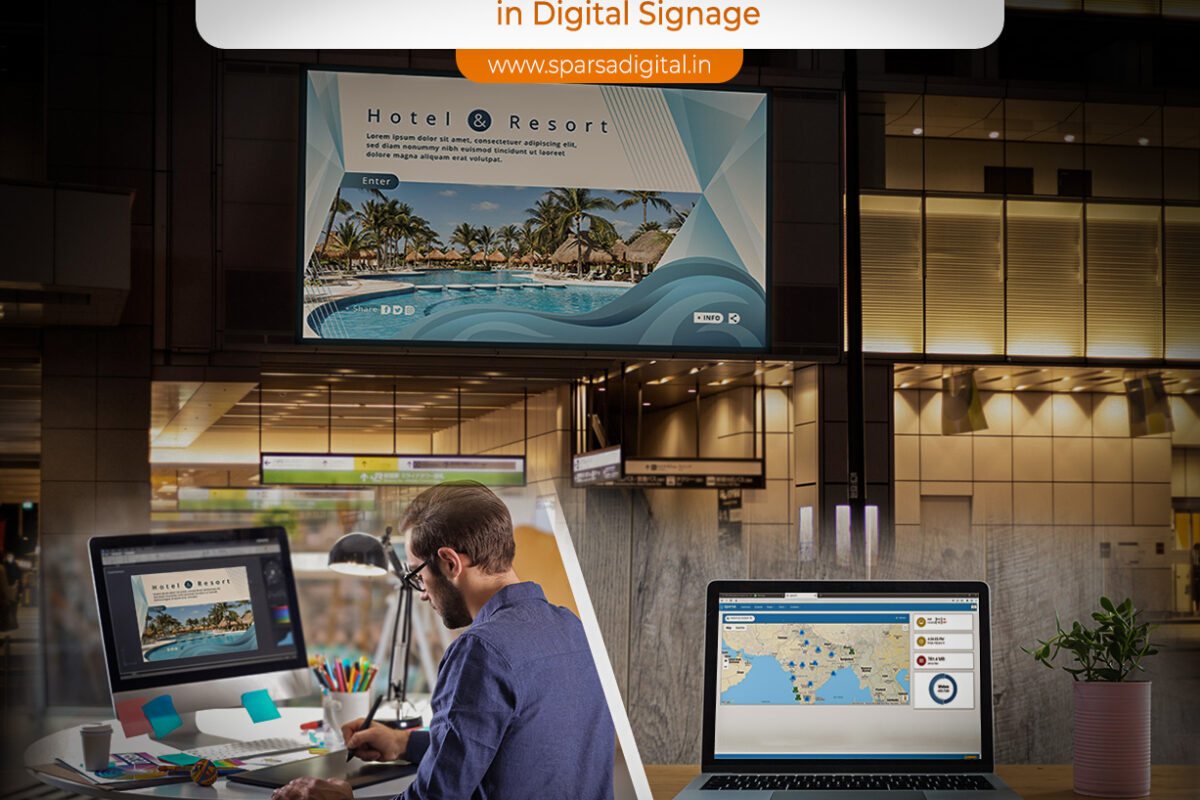
How-to-Solve-the-Biggest-Content-Challenges-in-Digital-Signage

How to Solve the Biggest Content Challenges in Digital Signage

Digital signage has become an essential tool for businesses, retail stores, restaurants, and corporate offices to engage their audience effectively. However, one of the biggest challenges faced in digital signage is content development. Without high-quality, engaging, and updated content, digital signage can lose its effectiveness. In this blog, we will explore how to overcome the most common content challenges using signage software and strategic content development.

1. Creating Engaging and Relevant Content

One of the primary challenges in digital signage is developing engaging and relevant content. Many businesses struggle to keep their displays fresh, informative, and captivating for their audience.

Solution:

  • Understand Your Audience: Tailor your content to the interests and needs of your target audience.
  • Use High-Quality Visuals: Incorporate HD images, animations, and videos to grab attention.
  • Update Content Regularly: Keep the information current to maintain relevance.
  • Leverage Templates: Many signage software solutions provide templates that help create visually appealing content quickly.
  • Use Interactive Elements: Incorporate touchscreens and interactive features to boost engagement.

2. Managing Content Across Multiple Locations

For businesses with multiple locations, ensuring that the right content is displayed at the right place can be a daunting task.

Solution:

  • Centralized Content Management System (CMS): Modern signage software allows remote content updates from a single dashboard.
  • Automated Scheduling: Schedule different content for different locations and times to streamline content management.
  • Role-Based Access: Assign different content management roles to team members to control who updates what.
  • Cloud-Based Solutions: These enable seamless content updates across all locations, ensuring uniformity and efficiency.

3. Keeping Content Fresh and Dynamic

Stale content can disengage your audience. If digital signage displays outdated promotions, irrelevant messages, or repetitive content, it loses its impact.

Solution:

  • Integrate Live Feeds: Use news, weather updates, and social media feeds to keep content dynamic.
  • Leverage AI and Data-Driven Content: Many signage software platforms offer AI-powered content recommendations based on customer behavior.
  • Automate Content Updates: Use automation tools to update content based on real-time data and business needs.
  • Create Seasonal Campaigns: Plan content updates for holidays, sales events, and special occasions.

4. Ensuring Content Consistency and Brand Identity

Maintaining a consistent brand identity across all digital signage screens can be challenging, especially for larger enterprises.

Solution:

  • Use Brand Guidelines: Ensure all content adheres to brand colors, fonts, and tone.
  • Create a Content Library: Maintain a repository of pre-approved content assets.
  • Utilize Cloud-Based Signage Software: This enables real-time updates and consistency across all screens.
  • Implement Approval Workflows: Ensure all content is reviewed and approved before going live to maintain brand integrity.

5. Measuring Content Effectiveness

Businesses often struggle to determine whether their digital signage content is effective in engaging customers and driving desired actions.

Solution:

  • Implement Analytics Tools: Use signage software that provides data insights into engagement levels and audience interactions.
  • A/B Testing: Test different content formats and messaging to determine what works best.
  • Gather Customer Feedback: Use QR codes or interactive screens to collect feedback on content effectiveness.
  • Monitor Dwell Time: Track how long viewers engage with specific content to gauge its impact.

6. Integrating Digital Signage with Other Marketing Channels

Many businesses fail to integrate their digital signage strategy with other marketing efforts, leading to missed opportunities.

Solution:

  • Sync with Social Media: Display user-generated content and brand social media feeds.
  • Use QR Codes: Direct viewers to landing pages, promotions, or loyalty programs.
Corporate Screen

Coordinate with Email Campaigns: Reinforce messages from digital signage in email marketing.

Leverage Cross-Promotion: Advertise in-store events, special discounts, or exclusive deals available through other channels.

7. Ensuring Hardware and Software Compatibility

Technical issues such as incompatible hardware and software can hinder content performance on digital signage.

Solution:

  • Invest in Reliable Signage Software: Choose a solution that supports multiple formats and devices.
  • Ensure Scalability: Select a platform that grows with your business needs.
  • Regular Maintenance: Perform software updates and hardware checks to prevent downtime.
  • Use a Professional Installation Service: Ensure screens are installed correctly for optimal performance.

Final Thoughts

Effective content development is the backbone of a successful digital signage strategy. By leveraging advanced signage software, businesses can overcome content challenges, enhance engagement, and maximize ROI. Whether it’s ensuring brand consistency, managing multiple locations, or keeping content fresh, the right approach and tools can make all the difference.

Invest in a reliable digital signage software solution, develop a robust content strategy, and stay ahead of the competition in the dynamic digital signage landscape. By addressing these content challenges, businesses can ensure their digital signage delivers maximum impact, engaging customers and driving meaningful results.

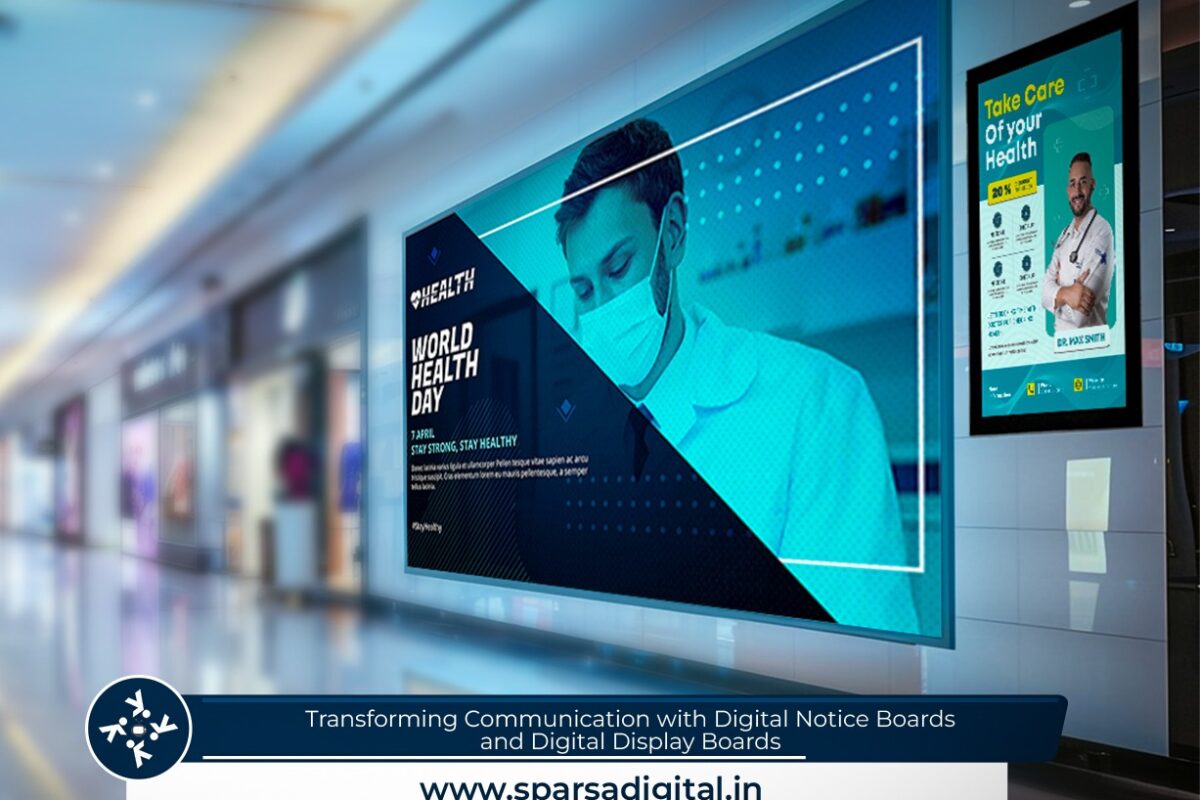
Digital Notice Boards and Digital Display Boards

Transforming Communication with Digital Notice Boards and Digital Display Boards

In today’s fast-paced, digitally-driven world, businesses, educational institutions, and public organizations are increasingly adopting digital notice boards and digital display boards to communicate with their audiences more effectively. These digital solutions are revolutionizing the way information is shared, making it more dynamic, interactive, and efficient. Whether for internal communication, announcements, or public displays, these digital tools offer a modern alternative to traditional paper-based methods, creating a more engaging and streamlined experience for everyone involved.

What Are Digital Notice Boards and Digital Display Boards?

Digital notice boards are electronic screens designed to display important information such as announcements, event schedules, news updates, and emergency alerts. These boards replace traditional cork boards, whiteboards, and posters, offering the advantage of real-time updates, multimedia content, and remote management.

Digital display boards serve a similar purpose but are often more expensive, used in settings like public spaces, transportation hubs, and large corporate offices. These boards can display a variety of content including advertisements, news feeds, interactive maps, and much more. Digital display boards are typically larger and more versatile than digital notice boards, providing greater flexibility in terms of the content and format they can present.

Why Digital Notice Boards and Digital Display Boards Are Essential

  1. Real-Time Updates and Flexibility
    One of the major advantages of digital notice boards and digital display boards is the ability to update content instantly. In traditional notice boards, updating content can be time-consuming and requires physical changes. With digital solutions, content can be updated remotely and in real time, allowing organizations to communicate new information, schedule changes, or urgent announcements instantly.
  2. Increased Engagement
    Digital boards are visually appealing and can display dynamic content such as videos, images, and animations. This dynamic aspect makes it more likely that people will engage with the content displayed. For example, a digital display board in a shopping mall could showcase promotional videos, store openings, and seasonal sales in a visually engaging way, drawing in more attention from passersby.
  1. Environmentally Friendly
    By eliminating the need for paper and physical materials, digital notice boards are an environmentally friendly alternative. Businesses and institutions no longer need to print new flyers, posters, or notices, reducing paper waste and helping organizations move toward a more sustainable future.
  2. Improved Communication
    Digital notice boards and display boards help organizations communicate more effectively. Whether it’s displaying emergency alerts, internal communications, event schedules, or customer-facing promotions, these digital solutions ensure that information is delivered clearly, consistently, and in a timely manner. Additionally, digital display boards can display multiple messages at once, ensuring that different groups of people receive the information most relevant to them.
  3. Cost-Effective Over Time
    While the initial investment in digital signage technology might be higher than traditional methods, the long-term cost savings are significant. Businesses save on the costs of printing, shipping, and labor associated with traditional notice boards. With digital boards, content updates can be done quickly and remotely, without needing to print new materials or manually post information.

Case Study: A School’s Use of Digital Notice Boards to Improve Communication

A high school in New York City decided to replace its traditional bulletin boards with digital notice boards in order to enhance communication with students, faculty, and staff. The school wanted to provide real-time updates on events, schedules, and important announcements, as well as reduce the clutter of paper notices that often went unnoticed.

The school installed digital notice boards in key areas: the main hallway, cafeteria, and near classrooms. These boards were connected to a central content management system that allowed administrators to update the boards with announcements, event reminders, and emergency alerts in real-time. The system also allowed for multimedia content such as videos of school events, photos from extracurricular activities, and motivational messages.

The result was a significant improvement in student engagement and information dissemination. Students no longer missed important announcements or deadlines, and faculty and staff could easily share updates with the entire school community. The digital boards also provided a more modern and visually appealing way of communicating, which was well-received by students and staff alike. Additionally, the school saved time and money by eliminating the need to print and distribute paper notices.

FAQs About Digital Notice Boards and Digital Display Boards

Q1: How are digital notice boards different from traditional notice boards?

A1: Traditional notice boards require physical updates, such as pinning papers or flyers to a board. Digital notice boards, on the other hand, use screens to display content that can be updated remotely and instantly. This allows for more dynamic, engaging, and up-to-date information, without the need for paper or physical labor.

Q2: Can digital notice boards and display boards be used outdoors?

A2: Yes, digital notice boards and digital display boards can be used outdoors, but it’s important to choose screens designed for outdoor environments. These screens are built to withstand weather conditions such as rain, heat, and sunlight. They are often enclosed in weather-resistant casings and have high brightness levels to ensure visibility in direct sunlight.

Q3: How do I update the content on digital display boards?

A3: Digital notice boards and digital display boards can be updated via a content management system (CMS). This system allows you to control and schedule content remotely, ensuring that updates are timely and consistent across multiple boards. Many CMS platforms offer user-friendly interfaces that can be accessed from any internet-enabled device.

Q4: Are digital notice boards energy-efficient?

A4: Yes, digital notice boards are generally energy-efficient, especially when using modern LED screens. These displays consume less power compared to traditional lighting-based signage, and their long lifespan means that they require fewer replacements.

Q5: Are digital display boards suitable for all types of businesses?

A5: Yes, digital display boards are versatile and can be used in various industries, including retail, education, healthcare, hospitality, and corporate offices. They are particularly useful in high-traffic areas where clear, up-to-date communication is essential, such as shopping malls, airports, and hospitals.

Conclusion

With benefits like real-time content updates, reduced paper waste, and increased engagement, these digital solutions are quickly becoming an essential tool for organizations of all sizes. Whether you’re a school, business, or public institution, adopting digital notice boards and digital display boards can improve communication, save time, and create a more modern and professional image.

Power of LED Billboards and LED Display Boards

The Power of LED Billboards and LED Display Boards in Modern Advertising

In today’s fast-paced, visually driven world, businesses are constantly searching for innovative ways to capture attention and engage their audience. One of the most effective solutions to achieve this is through LED billboards and LED display boards. These high-impact visual displays are not only eye-catching but also versatile, enabling businesses to convey dynamic and real-time content to a wide range of audiences.

What Are LED Billboards and LED Display Boards?

LED billboards are large outdoor advertising displays that use light-emitting diodes (LEDs) to show dynamic content such as videos, images, and text. These billboards are designed to grab attention from a distance, making them ideal for high-traffic locations such as highways, city streets, and event spaces. The flexibility of LED billboards allows advertisers to rotate multiple ads or display real-time information, ensuring that their message reaches the largest possible audience.

LED display boards, while similar to billboards, are typically smaller in size and used for indoor applications. They are commonly found in shopping malls, airports, sports arenas, and corporate offices. These boards can display a wide range of content, including promotional material, schedules, customer information, and emergency alerts. Due to their high brightness and energy efficiency, LED display boards are perfect for environments with varying lighting conditions, ensuring that the message remains visible in both bright and low-light settings.

Why Are LED Billboards and LED Display Boards Important?

  1. High Visibility and Attention-Grabbing
    LED billboards and LED display boards are designed to stand out. Their bright, vibrant colors and high contrast make them visible even from a distance, which is crucial for outdoor advertising in areas with heavy foot or vehicle traffic. Their ability to display moving images or videos makes them even more effective at capturing attention compared to static posters or signs.
  2. Dynamic and Real-Time Content
    One of the greatest advantages of LED billboards and LED display boards is the ability to display dynamic content. Unlike traditional billboards, which can only show static images, LED displays can show videos, slideshows, and real-time data. This makes them perfect for advertising time-sensitive promotions, displaying live social media feeds, news updates, or event countdowns. For example, a LED billboard on a busy street can show an advertisement that changes every 10 seconds, keeping the content fresh and engaging.
  3. Energy Efficiency
    LED technology is known for its energy efficiency. LED display boards and billboards consume less power than traditional forms of signage, which helps businesses reduce energy costs. The long lifespan of LEDs also ensures that businesses save money on maintenance and replacement, making it a cost-effective solution in the long run.
  4. Customizable and Flexible
    Another benefit of LED billboards and LED display boards is their flexibility in content. Advertisers can quickly update the messages or adjust the visuals on these displays remotely, allowing for real-time changes without the need for physical alterations. This is especially beneficial for campaigns that require frequent content updates, such as sales promotions, event schedules, or product launches.

Case Study: Coca-Cola’s LED Billboard Campaign in Times Square

One of the most iconic uses of LED billboards occurred in Times Square, New York, where Coca-Cola installed one of the largest and most dynamic LED display boards in the world. The billboard, which spans an entire building, features a high-definition, color-rich display capable of showing everything from video advertisements to interactive experiences.

The Coca-Cola campaign used this LED billboard to promote its brand in a highly engaging way. Through vibrant, visually stunning animations, the company was able to create a compelling story about its products and brand values. Moreover, the LED display board allowed Coca-Cola to incorporate real-time content, such as live events, special offers, and even social media feeds, allowing the company to interact directly with consumers in an engaging and dynamic way.

The campaign was incredibly successful, with many tourists and locals stopping to watch the engaging content. Not only did Coca-Cola’s LED billboard increase brand awareness, but it also highlighted how effective digital billboards can be in creating an unforgettable visual experience for audiences.

FAQs About LED Billboards and LED Display Boards

Q1: What is the difference between an LED billboard and an LED display board?

A1: LED billboards are large-scale outdoor displays designed for high-visibility advertising in public spaces, often seen in busy areas like highways and city centers. LED display boards are typically smaller and used indoors or in smaller-scale environments like shopping malls, airports, or sports arenas. Both use LED technology but differ in size, location, and application.

Q2: How do I update content on LED billboards or display boards?

A2: Businesses typically update content on LED billboards and LED display boards using a content management system (CMS). This system enables them to control and schedule content remotely, allowing instant updates from any internet-enabled device.

Q3: Are LED billboards environmentally friendly?

A3: Yes, LED billboards and LED display boards are more energy-efficient than traditional forms of advertising, such as neon signs or printed billboards. LEDs consume less power, have a longer lifespan, and produce less heat, which contributes to lower energy usage and reduced environmental impact.

Q4: Are LED billboards effective in all weather conditions?

A4: Yes, manufacturers design LED billboards to withstand various weather conditions, including rain, snow, and extreme temperatures. They build outdoor LED display boards with weather-resistant casings and equip them with high brightness levels to ensure visibility even in bright sunlight.

Q5: How long do LED display boards last?

A5: LED display boards are durable and long-lasting. On average, they can last between 50,000 to 100,000 hours of continuous use, depending on the quality of the LEDs and the operating conditions.

Conclusion

LED billboards and LED display boards have revolutionized the way businesses communicate with their audience. With their ability to display dynamic, real-time content and their high visibility, these displays offer a powerful tool for advertising, public messaging, and engaging with customers. As businesses continue to embrace digital signage, LED billboards and LED display boards will play an increasingly important role in shaping the future of advertising and information dissemination.