
Video Content Management System

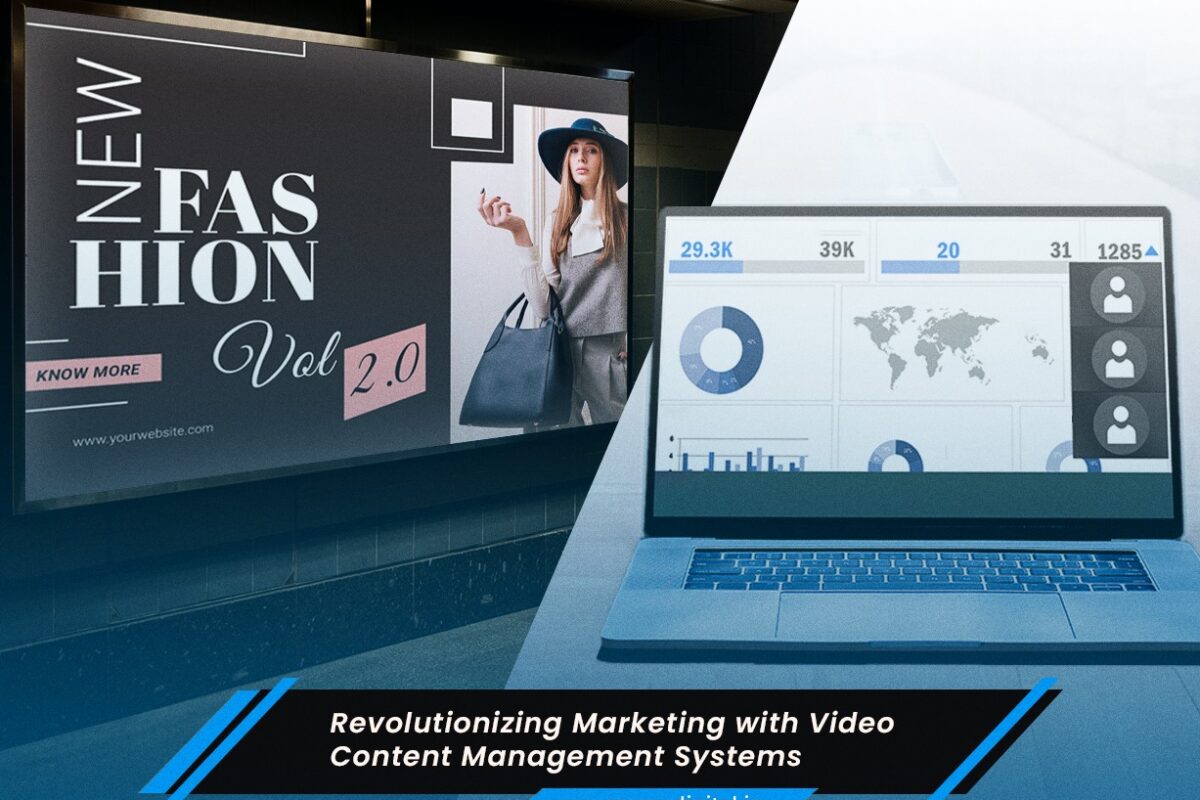
Revolutionizing Marketing with Video Content Management Systems

Creating a captivating and immersive digital experience is crucial in today’s dynamic technological landscape. Video content management systems (CMS) and digital standees play pivotal roles in this arena, revolutionizing how information is disseminated and experiences are crafted. These innovative technologies have significantly impacted various industries, from retail to entertainment, education to corporate environments. In this blog, we’ll explore the essence, functionalities, advantages, and future prospects of video content management systems and digital standees.

In the digital age, where attention spans are dwindling and information overload is a common challenge, businesses and marketers are constantly seeking innovative ways to capture their audience’s attention and engage them effectively. Two key technologies that have emerged as game-changers in this endeavor are Video Content Management Systems (VCMS) and Digital Standees. These technologies empower businesses to create, manage, and distribute captivating video content while seamlessly integrating them into physical spaces. In this comprehensive blog post, we will explore the concepts, functionalities, benefits, and applications of VCMS and Digital Standees, shedding light on how they are transforming the marketing landscape.

Understanding Video Content Management Systems (CMS)

Introduction to Video CMS

Video CMS is a specialized software designed for the organization, storage, retrieval, and distribution of video content. It serves as a centralized hub for managing videos, offering tools for uploading, transcoding, tagging, categorizing, and sharing video files across various platforms. This system caters to diverse user needs, ranging from personal vlogs to enterprise-level video content.

Functionality and Features

  • Content Storage and Organization: Video CMS efficiently stores video content in a structured manner, enabling easy accessibility and organization through metadata, tags, and categories.
  • Adaptive Streaming and Transcoding: It supports multiple formats and resolutions, optimizing videos for different devices and internet speeds through adaptive streaming and transcoding.
  • Customization and Branding: Video CMS often provides tools to personalize video players, add watermarks, and incorporate branding elements.
  • Analytics and Insights: Detailed analytics offer valuable metrics like views, engagement, and viewer behavior, aiding in content optimization and performance assessment.
  • Security and Access Control: These systems offer various security features, such as access controls, encryption, and DRM (Digital Rights Management), ensuring content protection.

Applications Across Industries

  • Entertainment and Media: Video CMS powers streaming services, facilitating content delivery and providing a seamless viewing experience.
  • Education: It enhances learning experiences by enabling educational institutions to host and manage instructional videos, lectures, and tutorials.
  • Corporate Communication: Video CMS fosters internal and external communication by hosting training videos, corporate announcements, and marketing content.
  • E-commerce: Many e-commerce platforms utilize video CMS to showcase product videos, enhancing the customer’s shopping experience.

Digital Standees: Redefining Interactive Displays

What are Digital Standees?

Digital standees are interactive digital displays typically used in public spaces like malls, airports, retail stores, and exhibitions. They replace traditional static signage with dynamic, high-definition screens, offering engaging and customizable content.

Features and Functionality

  1. Interactive Interfaces: Touchscreens or motion sensors enable user interaction, allowing for immersive experiences.
  2. Content Diversity: Digital standees display a wide array of content, from videos and images to live streams and interactive applications.
  3. Customization and Targeting: They allow targeted content delivery, adapting messages based on audience demographics or behaviors.
  4. Data Collection and Analytics: Digital standees can collect user data, providing insights into audience preferences and behaviors.

Applications and Impact

  • Retail and Advertising: They serve as powerful marketing tools, attracting customers with interactive product showcases and promotional content.
  • Hospitality: Digital standees in hotels and restaurants offer information on services, menus, and local attractions, enhancing guest experiences.
  • Information and Wayfinding: In public spaces, these displays assist in providing directions, event schedules, and other relevant information.
  • Entertainment and Exhibitions: They engage attendees at events, providing interactive experiences and information dissemination.

The Future of Video CMS and Digital Standees

The rapid evolution of technology promises exciting advancements for video CMS and digital standees.

  1. AI Integration: AI will play a more significant role in content recommendation, personalization, and even content creation.
  2. Augmented Reality (AR) and Virtual Reality (VR): Integration of AR and VR will offer more immersive experiences through digital standees.
  3. IoT Integration: Interaction with IoT devices will enable even more personalized and context-aware content delivery.

Conclusion

Video CMS and digital standees have transformed the way content is managed and displayed, offering dynamic, engaging, and immersive experiences across various industries. As technology continues to evolve, these tools will undoubtedly play a vital role in shaping the future of digital experiences, pushing the boundaries of interaction and engagement.

In this comprehensive blog post, we’ve explored the exciting world of Video Content Management Systems (VCMS) and Digital Standees, shedding light on how they are redefining marketing in the digital age. From their features and benefits to their real-world applications and the synergy they create when used together, VCMS and Digital Standees offer a fresh and powerful approach to capturing and retaining audience attention.

Still looking forward to a way to get started? We are here to help. Get in touch with our experts at Sparsa Digital today, and dive into the world of endless opportunities. Our team ensures providing tailored solutions as per each business’ needs and requirements. Being the leading provider in the space of digital signage, we, at Sparsa Digital, have helped a great deal of businesses to make it through the industry. Connect with us today and allow our expert panel to make the most out of the latest technologies.

Communication With Digital Notice and Bulletin boards

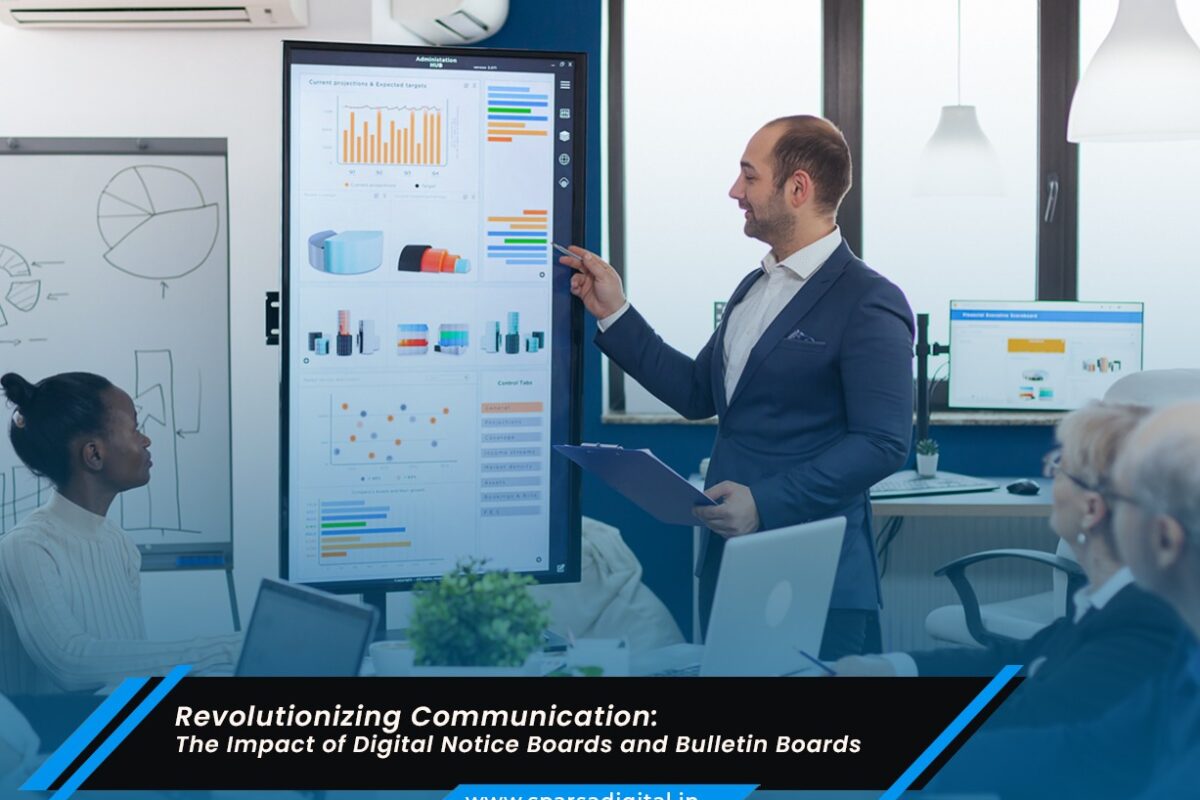
Revolutionizing Communication: The Impact of Digital Notice Boards and Bulletin Boards

In the digital age, communication has undergone a remarkable transformation. Traditional methods of disseminating information and announcements, such as paper notices and physical bulletin boards, are gradually being replaced by their digital counterparts. Digital notice boards and bulletin boards have emerged as powerful tools in various settings, ranging from educational institutions to corporate offices, healthcare facilities, and public spaces. This article explores the use, benefits, and potential challenges of digital notice boards and bulletin boards, shedding light on their growing significance in today’s interconnected world.

The Transition to Digital Notice Boards and Bulletin Boards

The Emergence of Digital Communication

The past few decades have witnessed a seismic shift in the way we communicate. With the advent of the internet and the proliferation of digital devices, information sharing has become more instantaneous, flexible, and dynamic. In response to this digital revolution, the concept of notice boards and bulletin boards has been reimagined and brought into the digital realm.

What are Digital Notice Boards and Bulletin Boards?

Digital notice boards and bulletin boards are electronic displays that serve the same purpose as their traditional counterparts – sharing information with a specific audience. However, they offer a wide range of advantages, including real-time updates, multimedia support, and remote management. These boards typically consist of large screens or panels that can be mounted on walls or placed in strategic locations for maximum visibility.

The Shift from Static to Dynamic

One of the most significant advantages of digital notice boards is their dynamic nature. Unlike traditional bulletin boards where physical notices can quickly become outdated, digital versions allow for real-time updates. This dynamism makes them well-suited for environments where information changes frequently, such as schools, offices, and healthcare facilities.

Benefits of Digital Notice Boards and Bulletin Boards

Real-time Information Updates

Digital notice boards excel in providing real-time information updates. Whether it’s a change in the daily cafeteria menu, an emergency alert, or the latest company news, digital boards can instantly convey this information to the intended audience. This real-time feature is particularly crucial in situations where timely communication is essential, such as in hospitals or educational institutions.

Multimedia Capabilities

Unlike traditional bulletin boards limited to text and static images, digital boards can display multimedia content. Videos, animations, and interactive graphics can be used to engage and inform the audience more effectively. This capability makes digital boards highly versatile for conveying a wide range of information, from training materials to product advertisements.

Remote Management

Digital notice boards and bulletin boards can be managed remotely. This means that administrators can update content, schedule messages, and monitor performance from a central location. For organizations with multiple locations or campuses, this remote management feature greatly simplifies the task of keeping everyone informed and up to date.

Enhanced Interactivity

Digital notice boards often come with interactive features, such as touch screens or QR code scanning. This allows users to engage with the content, access additional information, or even complete tasks like event registrations directly from the board. Interactivity not only enhances user experience but also helps in gathering data and insights on audience engagement.

Environmental Benefits

The move towards digital notice boards is also a step towards sustainability. Reducing the use of paper notices and printed materials not only saves resources but also minimizes waste. Digital boards, being energy-efficient, further contribute to reducing the environmental footprint of communication.

Applications of Digital Notice Boards and Bulletin Boards

Education

Digital notice boards have found extensive use in educational institutions. From elementary schools to universities, these boards are employed to share important announcements, class schedules, events, and emergency notifications. With remote learning becoming more prevalent, digital boards are also used to broadcast lessons and share educational content with students.

Corporate Environments

In the corporate world, digital bulletin boards are a valuable tool for internal communication. They are used to display company news, performance metrics, safety reminders, and HR announcements. These boards can also be strategically placed in common areas to boost employee morale and engagement.

Healthcare

Hospitals and healthcare facilities have adopted digital notice boards to relay critical patient information, appointment schedules, and emergency alerts. The ability to provide real-time updates is particularly crucial in a medical setting, where lives may depend on the rapid dissemination of information.

Public Spaces

Digital bulletin boards are also a common sight in public spaces, like airports, train stations, and shopping malls. These boards inform travelers about departure times, provide directions, and display advertisements. Their dynamic nature ensures that passengers and shoppers stay well-informed.

Retail

Retail businesses utilize digital notice boards for various purposes, including showcasing product promotions, advertising sales, and sharing store hours. These boards create eye-catching displays that capture the attention of shoppers, thereby increasing sales opportunities.

Transportation

Digital notice boards are essential in the transportation sector. They convey real-time information about bus and train schedules, platform changes, and delays. Passengers rely on these boards for accurate and up-to-date information to plan their journeys.

Challenges and Considerations

Implementation Costs

While digital notice boards offer numerous benefits, they come with initial setup costs, including the purchase of hardware, software, and installation. The costs can vary depending on factors like the size and complexity of the display system. However, many organizations find that the long-term benefits outweigh the initial investment.

Content Management

The effectiveness of digital boards depends on the quality and relevance of the content displayed. Administrators need to ensure that the information is up to date and engaging. Additionally, the design and layout of the content should be user-friendly and easily digestible.

Technical Challenges

Digital boards can face technical issues, such as software glitches, connectivity problems, or hardware malfunctions. Organizations must have a plan in place to address and resolve these issues promptly to minimize disruptions in communication.

Accessibility

Digital notice boards should be accessible to all users, including those with disabilities. Ensuring compliance with accessibility standards is essential to reach the widest audience possible.

Security

Protecting the content displayed on digital notice boards from unauthorized access and tampering is crucial. Strong security measures are necessary to prevent potential breaches.

Training and User Adoption

Users need to be trained on how to interact with and understand the digital notice board system. Ensuring user adoption and engagement is a vital component of successful implementation.

Integration with IoT

The integration of digital notice boards with the Internet of Things (IoT) is expected to become more prevalent. This will enable boards to display information that responds to real-world events, such as displaying traffic updates or temperature information based on sensor data.

Artificial Intelligence

Artificial intelligence (AI) is poised to play a more significant role in digital notice boards. AI can help in personalizing content, analyzing user engagement, and even automating content updates based on user preferences and behavior.

Mobile Compatibility

As mobile devices continue to dominate our lives, digital notice boards are likely to become more mobile-compatible. Users may be able to interact with boards through their smartphones, enhancing the accessibility and convenience of the platform.

Augmented Reality

Augmented reality (AR) can be used to enhance the interactivity of digital notice boards. Users may use AR apps to access additional information or immersive experiences related to the content displayed.

Conclusion

Digital notice boards and bulletin boards have revolutionized the way we communicate and disseminate information in various settings. The shift from traditional, static notice boards to dynamic, multimedia-capable digital platforms has brought about numerous advantages, including real-time updates, enhanced interactivity, and the potential for remote management. Despite certain challenges in implementation and maintenance, the benefits of these digital boards far outweigh the initial investments.

As technology continues to advance, the future of digital notice boards holds even more promising developments, including integration with IoT, AI, AR, and improved mobile compatibility. These advancements will further enhance the efficiency, interactivity, and relevance of digital communication tools, solidifying their place as indispensable assets in our interconnected world.

Outdoor billboard advertisement in seaside resort city Mockup

Digital LED Billboard Solutions and Outdoor Digital Signage: The Bright Future of Advertising

In today’s fast-paced and tech-savvy world, the traditional methods of advertising and communication are constantly evolving. As a result, outdoor advertising is no exception. Digital LED billboard solutions and outdoor digital signage have emerged as powerful tools for businesses and organizations to engage with their target audience. This article explores the landscape of digital LED billboards and outdoor digital signage, delving into their benefits, applications, technological advancements, and the impact they have on the advertising industry.

Understanding Digital LED Billboards

led video wall

1.1 The Rise of Digital Billboards

Traditional static billboards, once dominant in the world of outdoor advertising, are now being replaced by dynamic and eye-catching digital LED billboards. The transition is driven by technological advancements, cost-effectiveness, and the potential to reach a wider audience.

1.2 Benefits of Digital LED Billboards

Digital LED billboards offer numerous advantages over their static counterparts, including dynamic content, real-time updates, and cost-efficiency. We’ll delve deeper into these benefits to understand how they are transforming the outdoor advertising industry.

1.3 Key Features and Components

To comprehend the intricacies of digital LED billboards, it’s essential to understand their key components and features, such as LED modules, control systems, and content management software. This section will provide insights into these components.

Applications of Digital LED Billboards

2.1 Advertising and Promotion

One of the primary applications of digital LED billboards is advertising and promotion. Businesses across various industries are leveraging the dynamic nature of these billboards to create engaging and interactive campaigns.

2.2 Public Information and Safety

Digital LED billboards are also crucial for disseminating public information, traffic updates, and emergency alerts. This section explores the vital role played by these billboards in enhancing public safety.

2.3 Entertainment and Events

The entertainment industry, including concert venues, sports stadiums, and movie theaters, has embraced digital LED billboards to enhance the overall experience for audiences. Learn how these billboards are making events more engaging and immersive.

2.4 Environmental and Social Messaging

Non-profit organizations, government agencies, and environmental groups are using digital LED billboards to spread awareness about important issues, including climate change, social justice, and community initiatives. We’ll discuss the role of these billboards in shaping public opinion.

Outdoor Digital Signage

3.1 The Evolution of Outdoor Digital Signage

Outdoor digital signage solutions have emerged as a powerful and flexible medium for conveying information in public spaces. From simple wayfinding signs to complex interactive displays, the world of outdoor digital signage is expanding rapidly.

3.2 Advantages of Outdoor Digital Signage

Outdoor digital signage brings a range of advantages, including better visibility, adaptability, and interactivity. This section will explore these benefits and their impact on user experience.

3.3 Interactive Touch Screen Signage

Interactive touch screen signage is redefining how people engage with information in public spaces. This technology has applications in retail, tourism, and education, and is revolutionizing the way we access information outdoors.

3.4 Integration with Mobile Devices

The synergy between outdoor digital signage and mobile devices is empowering users with real-time information and interactivity. Explore how this integration is enhancing user experiences.

Technological Advancements

4.1 LED Technology Advancements

Technological advancements in LED technology have significantly improved the quality and efficiency of digital LED billboards. From higher resolutions to energy efficiency, this section explores the innovations shaping the industry.

4.2 Content Management Systems

The rise of cloud-based content management systems has made it easier for businesses to update and manage content on digital LED billboards and outdoor digital signage. Learn how these systems simplify the process of content delivery.

4.3 Data Analytics and Targeted Advertising

Digital signage solutions are increasingly incorporating data analytics to provide more targeted and personalized content. Discover how data-driven advertising is changing the game for outdoor advertising.

Impact on the Advertising Industry

5.1 Enhanced Engagement

Digital LED billboards and outdoor digital signage have redefined the concept of engagement in the advertising industry. Their dynamic nature, interactivity, and ability to tailor content to the audience have opened up new avenues for advertisers.

5.2 Measurable ROI

The ability to track and measure the impact of digital outdoor advertising campaigns is a game-changer for businesses. Explore how these solutions provide a measurable return on investment and help in optimizing marketing strategies.

5.3 Sustainability and Eco-Friendly Advertising

Digital LED billboards are more energy-efficient than traditional static billboards. This section discusses the environmental benefits of transitioning to digital signage and its positive impact on the advertising industry.

Conclusion

Digital LED billboard solutions and outdoor digital signage are revolutionizing outdoor advertising and public information dissemination. Their dynamic nature, adaptability, and technological advancements are making them indispensable tools for businesses and organizations. As we move forward into a more digital-centric world, the impact of these solutions on the advertising industry will continue to evolve and expand, creating new opportunities for engagement, creativity, and audience connection. Embracing this technology is not just a choice but a necessity for those looking to stay relevant and effective in the competitive advertising landscape.

Still wondering where to start? Get in touch with our experts at Sparsa Digital today. From outdoor digital signage to digital LED billboard solutions, we provide it all. And this is just the tip of the iceberg! Our team makes sure that the business generates even more revenue than what they plan to invest with the digital advertising. Since 2013, Sparsa Digital  brings more than 10 years of well experience in design, manufacture & installation. It began as a SaaS Service  for different types of signages.Schedule your appointment today, call us now!

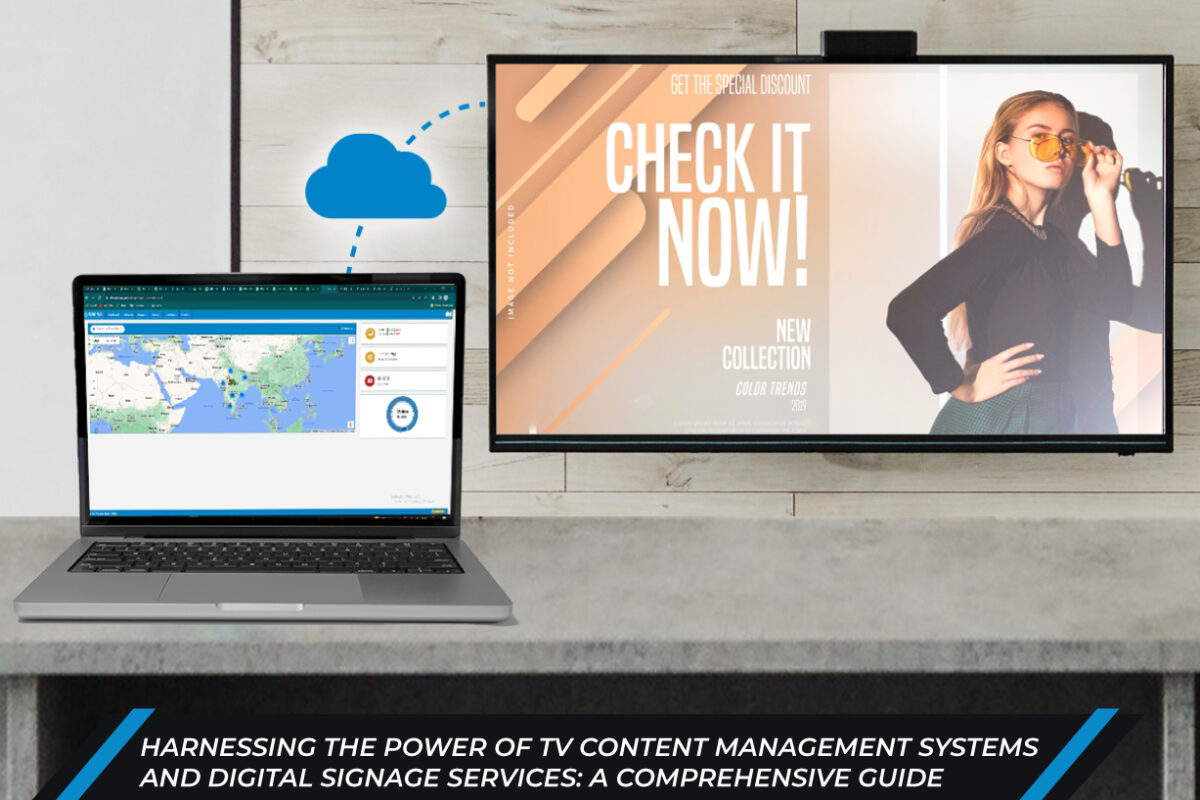
Harnessing-the-Power-of-TV-Content-Management-Systems-and-Digital-Signage-Services-A-Comprehensive-Guide

Harnessing the Power of TV Content Management Systems and Digital Signage Services: A Comprehensive Guide

In today’s fast-paced world, businesses, organizations, and institutions are constantly seeking innovative ways to capture the attention of their target audiences, convey messages effectively, and enhance user experiences. Two powerful tools that have emerged to address these challenges are TV Content Management Systems (TV CMS) and Digital Signage Services. In this comprehensive blog post, we will explore the extensive benefits and diverse applications of TV CMS and Digital Signage Services, ranging from retail and hospitality to education, healthcare, and more.

I. Understanding TV Content Management Systems (TV CMS)

What is a TV CMS?

A TV Content Management System, often referred to as a TV CMS, is a centralized platform designed to manage and deliver multimedia content to television displays, often in public spaces. These systems offer a user-friendly interface for creating, scheduling, and updating content, allowing organizations to control what is displayed on their screens with ease.

Key Components of a TV CMS

To better understand the benefits, let’s delve into the essential components of a TV CMS:

  • Content Creation: Users can design and customize multimedia content, including images, videos, text, and animations.
  • Content Scheduling: TV CMS allows users to schedule content to appear on specific screens at designated times, enabling timely and relevant messaging.
  • Remote Management: Centralized control allows for content updates and management from anywhere, making it a convenient and efficient solution.
  • Playback Devices: TV CMS relies on playback devices, such as media players or smart TVs, to display content on screens.

Benefits of TV CMS

Now, let’s explore the various advantages of implementing a TV Content Management System:

1. Engaging Content: TV CMS empowers organizations to create dynamic and eye-catching content that grabs the attention of viewers. This is particularly important in retail environments, where captivating visuals can drive sales.

2. Timely Messaging: Businesses can deliver time-sensitive messages, promotions, and announcements precisely when they are most relevant. This real-time capability is invaluable for events, promotions, or emergency alerts.

3. Targeted Communication: TV CMS enables organizations to segment their audience and deliver tailored messages to specific screens or locations, ensuring that content resonates with the intended viewers.

4. Increased Interactivity: Some TV CMS platforms support interactive elements, allowing users to engage with content through touch screens or mobile devices. This is particularly useful in museums, educational institutions, and trade shows.

5. Cost-Effective: Compared to traditional print advertising or manual content updates, TV CMS reduces printing costs and labor, making it a cost-effective long-term solution.

6. Analytics and Insights: TV CMS platforms often provide analytics and reporting tools, offering valuable insights into audience engagement and the effectiveness of content.

II. Digital Signage Services: Enhancing Visual Communication

What is Digital Signage?

Digital signage refers to the use of digital displays, such as LED screens, LCD monitors, or projectors, to present multimedia content in public spaces. These displays are commonly used for advertising, information dissemination, entertainment, and wayfinding.

Key Components of Digital Signage Services

To harness the full potential of digital signage, it’s crucial to understand its key components:

  • Content Creation and Management: Similar to TV CMS, digital signage relies on content creation and management systems to design and schedule multimedia content.
  • Display Screens: These are the physical screens used to display content, and they come in various sizes and types to suit different environments.
  • Media Players: Digital signage solutions often require media players or devices that connect to the display screens and deliver the content.
  • Network Connectivity: Digital signage relies on a network connection to receive updates and deliver content in real-time.

Benefits of Digital Signage Services

Now, let’s delve into the myriad advantages offered by Digital Signage Services:

1. Dynamic Visual Impact: Digital signage captivates audiences with vibrant visuals, videos, and animations, making it a powerful tool for advertising and branding.

2. Real-Time Updates: Unlike static signage, digital signage can be updated remotely, ensuring that content is always fresh and relevant.

3. Multifunctional: Digital signage serves multiple purposes, including advertising, information dissemination, entertainment, and wayfinding. It can adapt to various contexts and industries.

4. Improved Customer Experience: In retail and hospitality, digital signage enhances the customer experience by providing valuable information, promoting products, and reducing perceived wait times.

5. Cost-Efficiency: While there is an initial investment in hardware and software, digital signage ultimately reduces costs associated with printing and manual updates.

6. Increased Revenue: Businesses can generate revenue by renting ad space on their digital signage displays to third-party advertisers, providing an additional income stream.

III. Applications of TV CMS and Digital Signage Services

Now that we’ve explored the benefits of TV CMS and Digital Signage Services, let’s examine their diverse applications across various industries:

Retail

In the retail sector, TV CMS and digital signage services are extensively used to:

  • Promote products and sales.
  • Provide pricing and product information.
  • Enhance the shopping experience with interactive displays.
  • Entertain and engage customers while waiting in line.
  • Create brand awareness and recognition.

Hospitality

In the hospitality industry, digital signage is employed to:

  • Display event schedules and information for guests.
  • Promote hotel amenities and services.
  • Provide wayfinding assistance within large hotel complexes.
  • Offer in-room entertainment and information.

Education

Educational institutions leverage TV CMS and digital signage to:

  • Share announcements, news, and emergency alerts.
  • Display class schedules and room assignments.
  • Showcase student achievements and campus events.
  • Enhance interactive learning experiences.

Healthcare

Hospitals and healthcare facilities use digital signage for:

  • Wayfinding and navigation within complex facilities.
  • Sharing important health information and tips.
  • Displaying wait times and patient updates.
  • Promoting health and safety protocols.

Corporate Environments

In corporate settings, TV CMS and digital signage services are employed for:

  • Internal communications and employee engagement.
  • Sharing company news and updates.
  • Welcoming visitors and conveying company culture.
  • Displaying real-time data and performance metrics.

Transportation

In the transportation sector, digital signage is used to:

  • Provide real-time information about arrivals and departures.
  • Display route maps and schedules.
  • Share safety and emergency instructions with passengers.
  • Offer advertising opportunities to generate revenue.

IV. Best Practices for Implementing TV CMS and Digital Signage Services

To maximize the benefits of TV CMS and digital signage, organizations should follow these best practices:

Content Strategy

Develop a clear content strategy that aligns with your goals and target audience. Ensure that content is engaging, relevant, and visually appealing.

Hardware and Software Selection

Choose the right hardware (display screens, media players) and software (TV CMS or digital signage platform) that meet your specific needs. Consider factors such as screen size, resolution, and scalability.

User Training

Provide training for staff responsible for content creation, scheduling, and management. Ensure that they are proficient in using the chosen TV CMS or digital signage platform.

Content Updates

Regularly update content to keep it fresh and relevant. Monitor audience engagement and make adjustments based on analytics and feedback.

Security and Maintenance

Implement security measures to protect against unauthorized access and content tampering. Establish a maintenance schedule to address hardware and software issues promptly.

Conclusion

TV Content Management Systems (TV CMS) and Digital Signage Services have become indispensable tools for organizations looking to engage audiences, deliver targeted messages, and enhance user experiences. Whether in retail, hospitality, education, healthcare, corporate environments, or transportation, the benefits of these technologies are far-reaching. By following best practices and staying attuned to emerging trends, organizations can harness the power of TV CMS and digital signage to captivate audiences and achieve their goals in an increasingly digital world. The future of visual communication is dynamic, interactive, and boundless, offering endless opportunities for innovation and engagement.

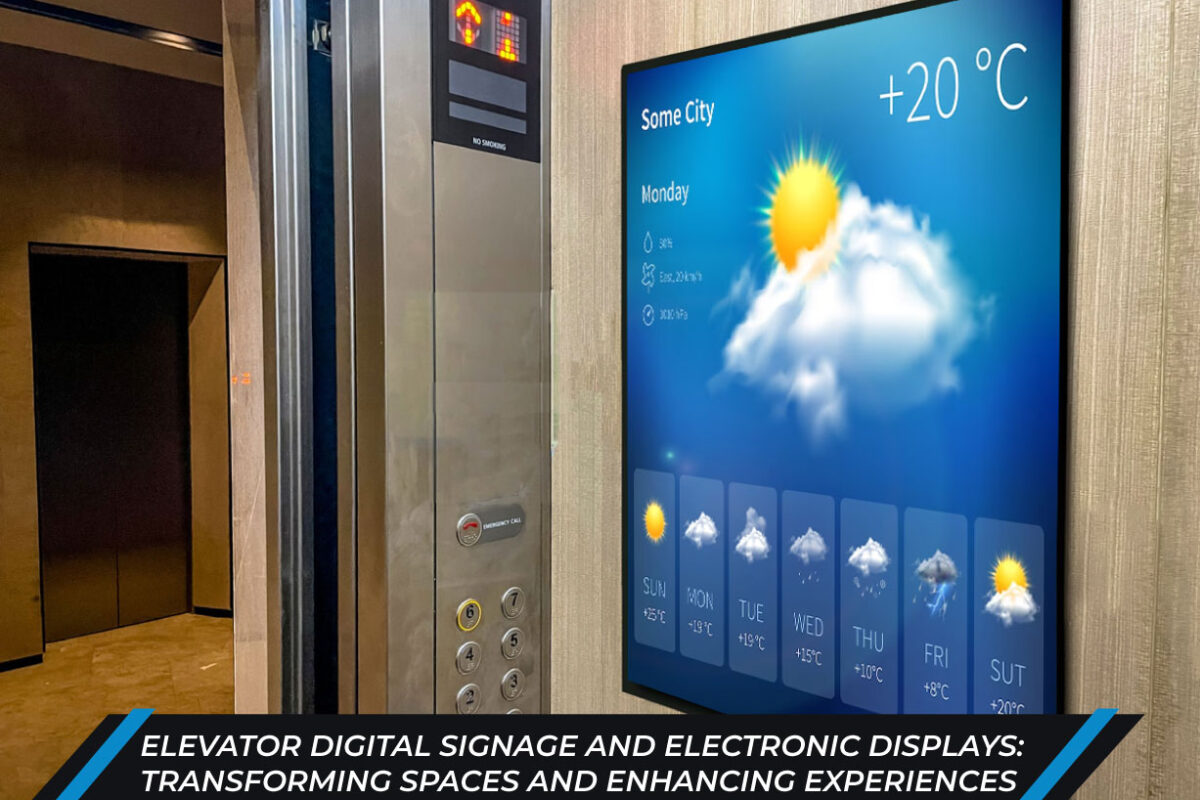
Elevator Digital Signage and Electronic Displays Transforming Spaces and Enhancing Experiences

Elevator Digital Signage and Electronic Displays: Transforming Spaces and Enhancing Experiences

In an era characterized by technological advancements and the ever-growing need for information dissemination, elevator digital signage and electronic displays have emerged as powerful tools for communication, engagement, and branding. Elevators, often considered as mere transportation devices, are now being transformed into dynamic spaces that convey messages, captivate audiences, and enhance user experiences. In this comprehensive blog, we will explore how elevator digital signage and electronic displays are making a significant difference in various contexts, from commercial buildings to public transportation systems, retail establishments, and beyond.

I. The Evolution of Elevator Digital Signage

The Role of Elevators Beyond Transportation

Traditionally, elevators have primarily served the function of moving people and goods between floors in buildings. However, their potential extends far beyond this basic utility. In today’s fast-paced world, people spend a considerable amount of time waiting for elevators. This waiting time presents a valuable opportunity to engage and inform individuals using elevator digital signage and electronic displays.

Technological Advancements Driving Innovation

The rapid evolution of display technologies, such as LED, LCD, and OLED screens, has paved the way for the integration of digital signage in elevators. These advancements have made it possible to install high-quality displays in compact spaces, ensuring that elevator users are exposed to vivid and captivating content.

Customization and Content Management

Elevator digital signage solutions offer a high degree of customization. Building owners and businesses can tailor the content displayed in elevators to align with their branding, marketing, and communication strategies. Content management systems (CMS) allow for real-time updates and scheduling, ensuring that the displayed information remains relevant and timely.

II. Elevator Digital Signage in Commercial Spaces

Elevator Lobbies: The First Impression

This product in commercial buildings are often the first point of contact for visitors and tenants. Its in these spaces can be used to convey important information, showcase promotional material, and create a welcoming ambiance. This enhances the overall experience and sets a positive tone for anyone entering the building.

Advertising and Revenue Generation

Elevator digital signage provides a unique platform for advertisers to reach a captive audience. Building owners can leverage this advertising space to generate revenue, offsetting the costs of installing and maintaining the displays. The ability to target specific demographics and track the effectiveness of ad campaigns makes elevator digital signage an attractive proposition for businesses.

Wayfinding and Navigation

Navigating through large commercial buildings can be a daunting task for visitors. Elevator digital displays can serve as wayfinding tools, providing interactive maps and directions to various floors and amenities within the building. This not only reduces confusion but also enhances user convenience.

III. Elevator Digital Signage in Public Transportation

Transforming the Commute Experience

Public transportation systems, such as subways and airports, often involve waiting for elevators or escalators. Elevator digital signage can transform these mundane moments into engaging experiences. Commuters can receive real-time information about train or flight schedules, weather updates, and local news, making their journeys more enjoyable and efficient.

Safety and Emergency Information

In the event of an emergency or evacuation, elevators play a critical role in ensuring the safety of passengers. Electronic displays can be programmed to deliver clear and concise safety instructions, helping passengers stay informed and follow necessary procedures. This can be a lifesaving feature in emergency situations.

IV. Elevator Digital Signage in Retail Environments

Elevating the Shopping Experience

Retail establishments have embraced elevator digital signage as a means to enhance the shopping experience. These displays can showcase product promotions, new arrivals, and customer reviews. Elevators can become an extension of a store’s marketing strategy, encouraging impulse purchases and customer engagement.

Interactive Displays

Interactive touchscreen displays in elevators allow customers to explore product catalogs, view detailed information about items, and even make purchases while in transit. This level of interactivity not only improves customer satisfaction but also drives sales and brand loyalty.

V. Benefits of Elevator Digital Signage

Enhanced Communication

One of the most significant advantages of elevator digital signage is its ability to convey information effectively. Whether it’s important announcements, emergency notifications, or promotional content, elevators are transformed into dynamic communication platforms.

Improved User Experience

Elevator digital displays enhance user experiences by reducing perceived wait times, providing entertainment, and offering valuable information. Users are more likely to have positive perceptions of buildings equipped with these displays.

Cost-Effective Marketing

For businesses, elevator digital signage represents a cost-effective marketing tool. Compared to traditional advertising channels, the cost per impression is often lower, making it an attractive option for budget-conscious advertisers.

Flexibility and Scalability

Digital signage systems are highly flexible and scalable. Building owners can start with a few displays and expand their network as needed. This adaptability ensures that the system can grow with the building’s requirements.

VI. Challenges and Considerations

Maintenance and Technical Support

Like any technology, elevator digital signage systems require regular maintenance and technical support. Downtime can impact user experiences and revenue generation, so it’s essential to have a robust maintenance plan in place.

Content Management

Effective content management is critical for the success of elevator digital signage. Keeping content fresh, relevant, and engaging can be a challenge, but it’s essential for maximizing the impact of the displays.

Privacy and Security

As digital displays become more interactive, concerns about user privacy and security must be addressed. Protecting sensitive information and ensuring user data is handled responsibly is paramount.

Integration with IoT

The integration of elevator digital signage with the Internet of Things (IoT) is on the horizon. This will enable real-time data collection and analysis, allowing for more personalized content and improved user experiences.

Augmented Reality (AR) Enhancements

AR applications in elevators are also being explored. Users could, for example, use their smartphones to access additional information about products or landmarks displayed on elevator screens.

Sustainability Initiatives

Elevator digital signage can play a role in sustainability efforts by promoting energy-saving practices and displaying environmental messages. Energy-efficient display technologies will also be a focus for reducing the carbon footprint of these systems.

Conclusion

Elevator digital signage and electronic displays are transforming elevator spaces into dynamic, information-rich environments. From commercial buildings to public transportation systems and retail establishments, these displays are enhancing communication, improving user experiences, and creating new opportunities for revenue generation. As technology continues to advance, we can expect even more innovative applications of elevator digital signage, making these displays an integral part of modern urban landscapes. The future holds exciting possibilities for elevators that are not just means of transportation but also engaging spaces that inform, entertain, and inspire.

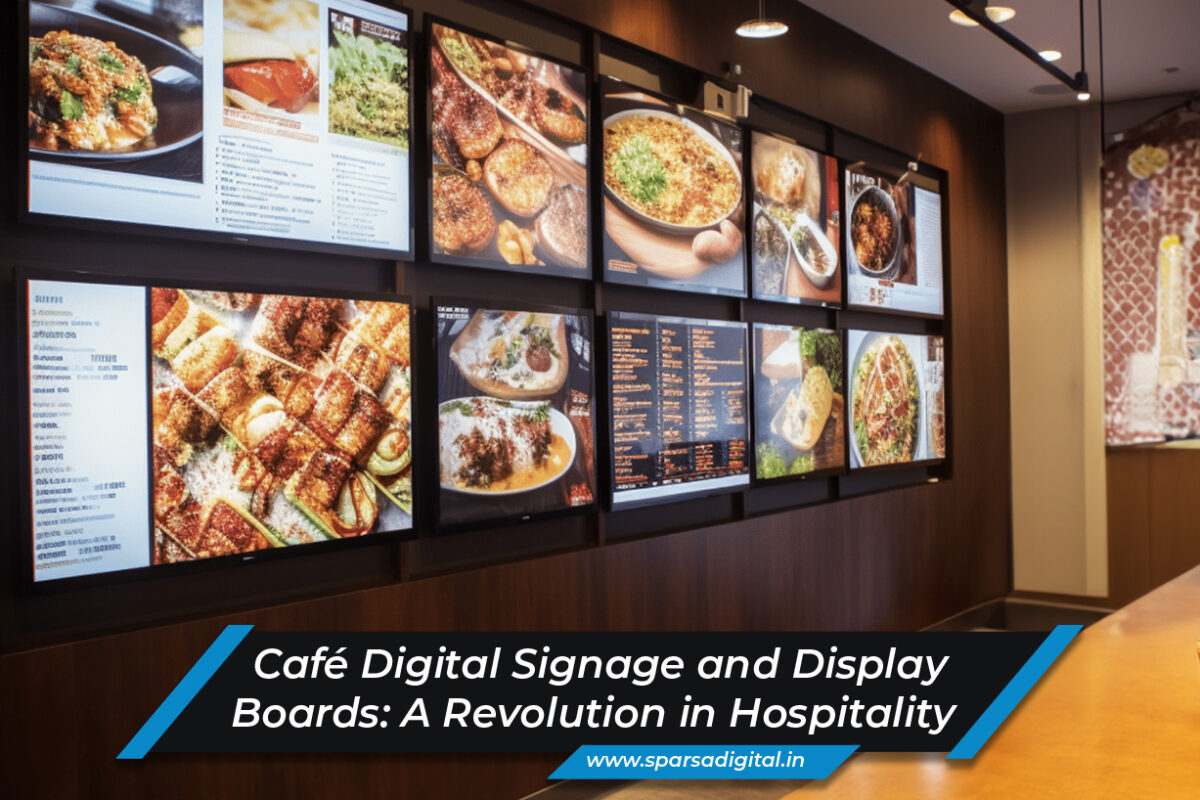
Cafe-Digital-Solutions

Café Digital Signage and Display Boards: A Revolution in Hospitality

In the rapidly evolving landscape of the hospitality industry, cafes have become more than just places to enjoy a cup of coffee. They have transformed into multifunctional spaces where people gather for work, socialize, and seek immersive experiences. In this context, café digital signage and display boards have emerged as crucial tools for enhancing customer engagement, improving operational efficiency, and driving business growth. This comprehensive essay delves into the importance of café digital signage and display boards, exploring their myriad benefits, applications, and the future trends that are shaping this technology.

The Digital Transformation of Cafés

The Changing Dynamics of Café Culture

Café culture has undergone a significant transformation in recent years. No longer are cafes merely places to grab a quick coffee; they have become integral parts of our daily lives. Customers now expect more than just a caffeine fix when they visit cafes. They seek unique experiences, whether it’s savoring artisanal brews, working remotely, or immersing themselves in the café’s ambiance.

This shift in customer expectations has led café owners to rethink their business strategies. They must adapt to cater to a diverse clientele, ranging from students and professionals to tourists and remote workers. As a result, the role of technology in enhancing the café experience has become increasingly prominent.

The Rise of Café Digital Signage

One of the most notable technological advancements in the café industry is the adoption of digital signage and display boards. These digital tools have evolved beyond being simple menu boards; they now serve as dynamic, interactive, and informative assets that contribute to the overall customer experience.

Café digital signage encompasses a range of technologies, including digital table tops, digital menu boards, interactive kiosks, mini displays, and more. These devices are strategically placed within cafes to deliver targeted content, engage customers, and streamline operations. The importance of café digital signage can be understood through various dimensions.

Enhancing Customer Engagement

Visual Appeal and Aesthetic Enhancement

Café digital signage allows café owners to create visually appealing displays that captivate customers’ attention. High-resolution screens, vibrant colors, and dynamic content can transform the café’s ambiance, making it more inviting and attractive. This visual appeal not only draws in new customers but also encourages repeat visits.

Dynamic Menu Boards

One of the primary applications of café digital signage is in displaying menus. Unlike traditional printed menus, digital menu boards can be updated in real-time, enabling café owners to make instant changes to prices, offerings, and promotions. This flexibility is crucial in a dynamic industry where seasonal ingredients, limited-time offers, and price fluctuations are common.

Moreover, digital menu boards can showcase menu items with rich imagery and engaging animations, making it easier for customers to make informed choices. This enhances the overall dining experience, particularly in cafes that emphasize aesthetics and culinary artistry.

Personalized Content

Café digital signage can collect and analyze customer data, such as preferences, purchase history, and demographic information. With this data, cafes can deliver personalized content to customers. For example, a regular customer who frequently orders lattes might be shown special promotions on premium coffee blends, while a student studying at the café could receive notifications about quiet study areas and available power outlets.

Personalization not only boosts customer engagement but also increases the likelihood of upselling and cross-selling, thereby driving revenue growth.

Interactive Touchpoints

Interactive kiosks such as hanging displays provide customers with engaging touchpoints that go beyond traditional ordering. Customers can browse menus, customize their orders, and even provide feedback directly through these interfaces. This interactivity adds an element of fun and convenience to the café experience, especially for tech-savvy customers.

Additionally, interactive displays can be used for gamification and loyalty programs, encouraging customers to return to the café for rewards and discounts.

Operational Efficiency and Cost Savings

Streamlining Ordering and Payment Processes

Café digital signage is not just about enhancing the customer experience; it also plays a crucial role in improving operational efficiency. Automated ordering and payment processes reduce the burden on staff, allowing them to focus on other essential tasks, such as food preparation and customer service.

Self-order kiosks are a prime example of this efficiency. Customers can place their orders independently, reducing wait times during peak hours and minimizing order errors. This leads to higher customer satisfaction and increased throughput, ultimately boosting revenue.

Real-time Inventory Management

Digital signage can be integrated with inventory management systems to provide real-time updates on ingredient availability. Café owners can monitor stock levels, track expiration dates, and receive alerts when items need to be restocked. This helps reduce food wastage and ensures that customers are always offered menu items that are fresh and available.

Additionally, the integration of digital signage with point-of-sale (POS) systems streamlines order processing, inventory tracking, and sales reporting, making it easier for café owners to manage their businesses efficiently.

Cost-effective Marketing

Traditional marketing methods, such as print advertising and promotional materials, can be costly and less effective in reaching a wide audience. Café digital signage offers a cost-effective alternative for promoting specials, events, and loyalty programs. Content can be updated instantly, eliminating the need for printing and distribution expenses.

Furthermore, digital signage allows for scheduling content to be displayed at specific times or days, maximizing the impact of marketing campaigns. For example, a café can promote breakfast specials in the morning and shift to afternoon tea promotions later in the day.

Data-driven Insights

Gathering Customer Data

Café digital signage is not just a one-way communication tool; it also serves as a data collection point. Through the use of sensors and analytics, café owners can gather valuable customer data. This includes foot traffic patterns, peak hours, popular menu items, and customer demographics.

This data can used to make informed decisions regarding menu offerings, pricing strategies, staffing levels, and marketing campaigns. For example, if data shows that a particular coffee blend is popular among early morning customers, the café can prioritize its availability during those hours.

Continuous Improvement

By analyzing data from digital signage and display boards, café owners can identify areas for improvement. They can track the performance of different menu items, monitor customer wait times, and assess the effectiveness of promotions.

Continuous improvement is essential for staying competitive in the café industry. By making data-driven decisions, cafes can enhance their operations, refine their offerings, and ensure that they consistently meet customer expectations.

Conclusion

Café digital signage and display boards have emerged as indispensable tools in the modern hospitality industry. They play a multifaceted role in enhancing customer engagement, improving operational efficiency, and facilitating data-driven decision-making. These digital assets provide visual appeal, interactivity, and personalization that align with evolving customer expectations.

Furthermore, café digital signage offers adaptability and flexibility to respond to changing market conditions and customer preferences. It is a cost-effective means of marketing and streamlining operations, ultimately contributing to revenue growth and sustainability.

As the café industry continues to evolve, we can expect to see further innovations in digital signage technology. Integration with mobile apps, augmented reality experiences, sustainability messaging, AI-powered recommendations, and enhanced analytics are all on the horizon, promising to elevate the café experience to new heights.

In this dynamic landscape, café owners and operators who harness the power of digital signage will be well-positioned to thrive in an industry where innovation and customer-centricity are key to success.

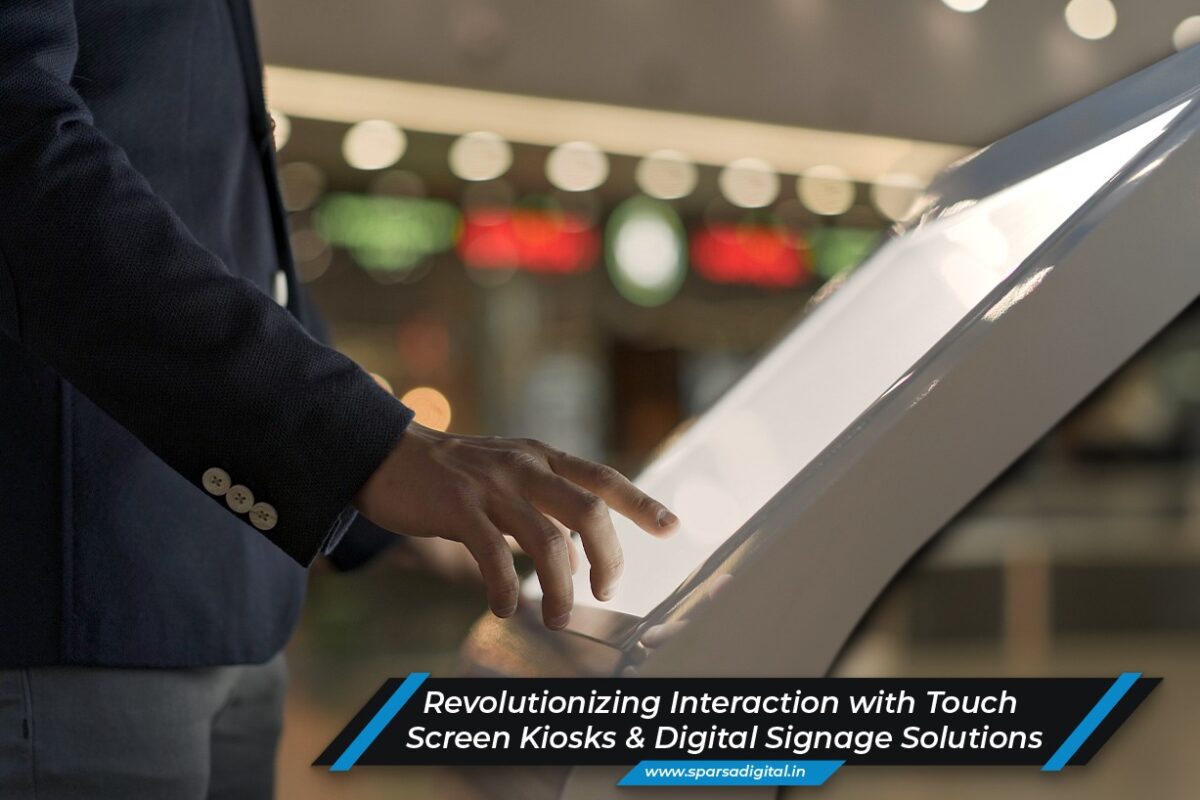
Touch Screen Kiosk

Revolutionizing Interaction with Touch Screen Kiosks and Digital Signage Solutions

In the fast-paced world of technology, businesses are constantly searching for innovative ways to engage their customers and streamline operations. One such innovation that has become increasingly prevalent is the touch screen kiosk and digital signage solutions. These interactive and dynamic displays have transformed the way businesses interact with their customers, providing an engaging and informative experience. In this comprehensive blog post, we will explore the world of touch screen kiosks and digital signage solutions, their impact on various industries, and the key players in this industry.

The Evolution of Touch Screen Kiosks and Digital Signage

1.1. A Historical Perspective

The concept of interactive kiosks dates back to the 1970s, but it wasn’t until the advent of touch screen technology in the 1980s that these devices gained prominence. The early touch screens were clunky and limited in functionality, but they laid the foundation for the sophisticated touch screen kiosks we see today.

1.2. The Rise of Digital Signage

Digital signage solutions emerged in the 1990s as a way to replace traditional static signs with dynamic, digitally driven displays. These systems initially used CRT monitors but quickly transitioned to LCD and LED screens, offering higher resolution and better energy efficiency.

The Role of Touch Screen Kiosks and Digital Signage in Modern Businesses

2.1. Enhancing Customer Engagement

Digital kiosks have revolutionized customer engagement in various industries. From retail stores and hotels to airports and museums, businesses now use kiosks to provide information, enable self-service options, and entertain customers.

2.2. Streamlining Operations

Digital signage solutions provider plays a vital role in streamlining operations for businesses. They can display real-time data, provide wayfinding information, and facilitate effective communication within organizations.

2.3. Data Collection and Analytics

One of the key advantages of touch screen kiosks and digital signage is the ability to collect data on user interactions. This data can be analyzed to gain insights into customer behavior, helping businesses make informed decisions.

Industries Benefiting from Touch Screen Kiosks and Digital Signage

3.1. Retail

In the retail sector, touch screen kiosks are used for product information, inventory management, and self-checkout options. Digital signage enhances the shopping experience by displaying promotional content and product recommendations.

3.2. Hospitality

Hotels and restaurants use touch screen kiosks for check-in/check-out, ordering food, and providing guests with information about amenities and local attractions. Digital signage in hospitality settings improves guest communication and advertising.

3.3. Healthcare

Hospitals and clinics deploy touch screen kiosks for patient registration, appointment scheduling, and wayfinding. Digital signage in healthcare facilities displays important announcements and health education content.

3.4. Transportation

Airports, train stations, and bus terminals rely on touch screen kiosks for ticketing, flight information, and wayfinding. Digital signage in transportation hubs offers real-time updates on schedules and safety instructions.

3.5. Education

Educational institutions use touch screen kiosks for campus navigation and interactive learning experiences. Digital signage aids in communication and displays important announcements and event information.

The Technology Behind Touch Screen Kiosks and Digital Signage

4.1. Touch Screen Technology

Explore the various touch screen technologies, such as capacitive, resistive, and infrared, and their applications in kiosks. Discuss the advantages and limitations of each technology.

4.2. Content Management Systems

Examine the role of content management systems (CMS) with the help of digital signage solutions providers. Discuss how businesses can efficiently manage and update content on their digital displays.

4.3. Connectivity and Integration

Discuss the importance of connectivity and integration in touch screen kiosks with your digital signage solutions provider. Explore how these systems can integrate with other technology, such as smartphones and IoT devices.

Key Players in the Touch Screen Kiosk and Digital Signage Industry

5.1. Leading Providers

Highlight some of the industry’s top players, such as Elo Touch Solutions, LG Electronics, and Samsung Electronics. Discuss their contributions to the development of touch screen kiosks and digital signage.

5.2. Innovative Startups

Profile innovative startups that are pushing the boundaries of touch screen kiosk and digital signage technology. Explore their unique solutions and how they are disrupting the industry.

6.1. Challenges in Implementation

Examine the challenges businesses may face when implementing touch screen kiosks and digital signage solutions, including cost, maintenance, and security concerns.

6.2. Future Trends

Discuss emerging trends in the industry, such as augmented reality (AR) integration, AI-powered personalization, and the use of biometrics for user authentication.

Case Studies

Present real-world case studies of businesses that have successfully implemented touch screen kiosks can be shared from your digital signage solutions provider. Explore the benefits they have achieved and the lessons learned from their experiences. This can help you provide a better perspective on the need of getting started at the right time.

Conclusion

In conclusion, touch screen kiosks and digital signage solutions have become integral tools for businesses across various industries. Their ability to enhance customer engagement, streamline operations, and collect valuable data has made them indispensable in the modern business landscape. As technology continues to advance, we can expect even more innovative applications and solutions in the world of touch screen kiosks and digital signage, further transforming the way we interact with information and services.

Still have doubts? Connect with our experts at Sparsa Digital today and begin your journey. With customized digital signage solutions, our team ensures that a business makes maximum utilization of the right resources around. Get in touch with us today!

The-Transformative-Power-of-Digital-Signage-Products-and-Digital-Signage-Software

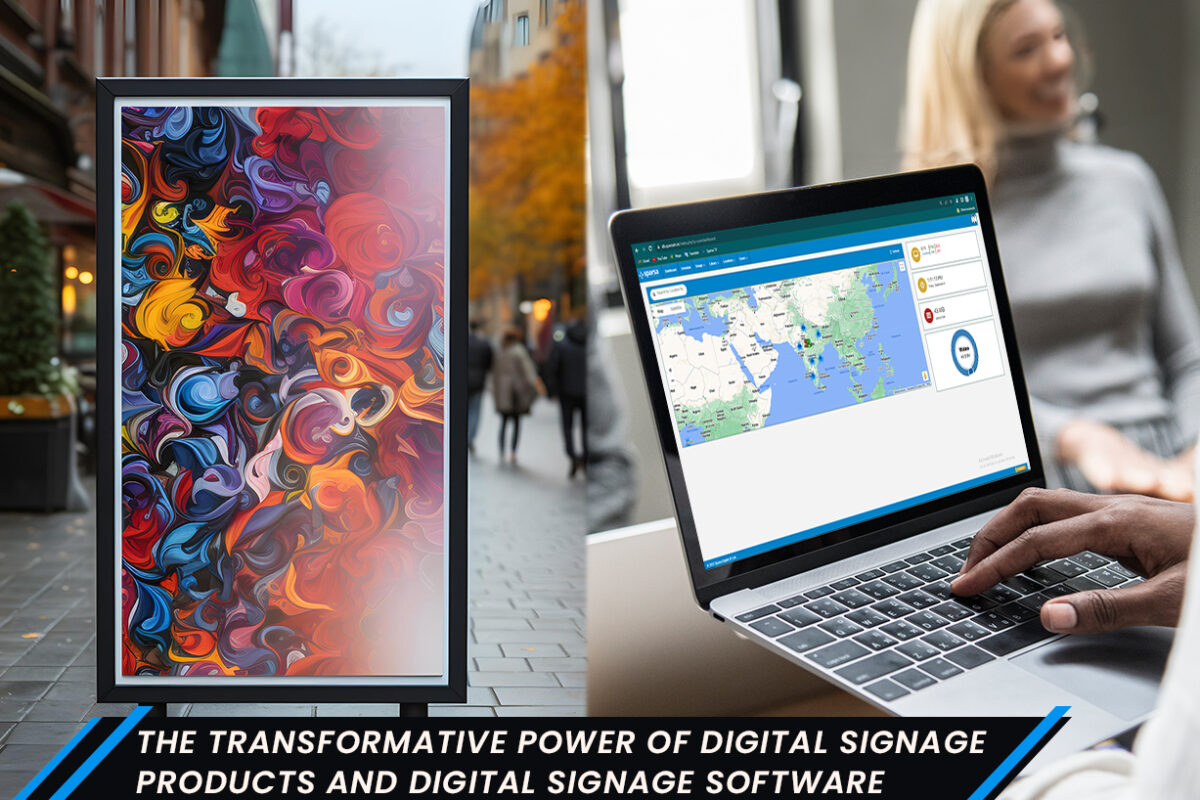
The Transformative Power of Digital Signage Products and Digital Signage Software

In today’s rapidly evolving digital landscape, businesses are constantly seeking innovative ways to capture the attention of their audience, convey information, and enhance customer experiences. Digital signage has emerged as a dynamic and versatile solution that fulfills these needs, offering a powerful platform for communication and engagement. This blog delves deep into the importance of digital signage products and digital signage software, exploring their applications across various industries and their transformative impact on communication.

Understanding Digital Signage

What is Digital Signage?

Digital signage refers to the use of electronic displays, such as LCD, LED, or projection screens, to present content that can include text, images, videos, animations, and interactive elements. These displays are connected to a network, allowing for centralized content management and real-time updates.

The Evolution of Digital Signage

The history of digital signage dates back to the early 1990s when it was primarily used for advertising and branding. Over the years, it has evolved into a multifaceted tool with applications across diverse industries, including retail, hospitality, healthcare, transportation, education, and more.

The Importance of Digital Signage Products

Enhancing Visual Communication

Traditional static signage can be limiting in terms of conveying dynamic or time-sensitive information. Digital signage products offer the flexibility to present a wide range of content, making it easier to engage and inform audiences effectively.

Capturing Attention

In today’s information-saturated world, grabbing the audience’s attention is a significant challenge. Digital signage’s vibrant visuals, animations, and interactivity make it a compelling medium for capturing and retaining viewer attention.

Versatility Across Industries

Digital signage products find applications in various sectors:

  • Retail: Elevating the in-store shopping experience with interactive displays, promotions, and wayfinding.
  • Hospitality: Enhancing guest experiences with digital menus, event announcements, and concierge services.
  • Healthcare: Improving patient engagement with health information, appointment reminders, and wait-time updates.
  • Transportation: Providing real-time updates on schedules, routes, and travel information at transit hubs.
  • Education: Facilitating interactive learning with digital whiteboards, announcements, and campus navigation.
  • Corporate: Enhancing internal communication with digital bulletin boards, employee recognition, and meeting room displays.

Real-Time Updates and Content Control

Digital signage products enable remote content management, allowing businesses to update information in real time. This agility ensures that content remains relevant and up-to-date, making it ideal for time-sensitive announcements and promotions.

Improved Customer Experience

The use of digital signage can significantly enhance the overall customer experience. In retail, for example, interactive displays provide shoppers with product information, promotions, and even the ability to make purchases directly from the screen, resulting in a more convenient and engaging shopping journey.

The Role of Digital Signage Software

Content Management

Central to any digital signage system is the software that manages content creation, scheduling, and distribution. Digital signage software empowers businesses to design visually appealing content, schedule it to display at specific times, and monitor its performance.

Flexibility and Customization

Digital signage software allows for the creation of customized content tailored to the specific needs of the business. This flexibility enables brands to maintain consistency in branding and messaging across various locations.

Remote Management

One of the key advantages of digital signage software is its ability to manage content remotely. This means that updates, changes, and maintenance can be performed from a centralized location, reducing the need for on-site visits and saving time and resources.

Interactive Capabilities

Interactive digital signage is made possible through software solutions that allow users to engage with the displayed content. Touchscreens, motion sensors, and QR code scanning are just a few examples of interactive features that can be incorporated, providing a more immersive experience.

Industry Applications

Retail

Digital signage has revolutionized the retail industry by improving the in-store experience and boosting sales. Interactive displays help customers find products, access reviews, and receive personalized recommendations. Moreover, digital signage allows retailers to change promotions instantly and target specific demographics.

Hospitality

Hotels, restaurants, and resorts use digital signage to enhance guest experiences. Digital menu boards, wayfinding displays, and event information screens provide valuable information and entertainment to guests, ultimately increasing customer satisfaction.

Healthcare

In healthcare settings, digital signage plays a crucial role in patient education, wayfinding, and appointment reminders. Interactive kiosks can streamline check-in processes and provide waiting room entertainment, making hospital visits more pleasant.

Transportation

Digital signage is essential in the transportation sector, where it provides real-time information to passengers, including departure times, delays, and emergency announcements. In airports, train stations, and bus terminals, digital signage helps travelers navigate complex environments.

Education

Educational institutions benefit from digital signage by enhancing communication with students, faculty, and visitors. Digital bulletin boards, campus maps, and interactive displays support learning and improve campus navigation.

Corporate

Digital signage in corporate environments serves multiple purposes, including employee communication, meeting room scheduling, and corporate branding. It fosters transparency and engagement within the organization.

Challenges and Considerations

Content Creation

Creating compelling content for digital signage requires design skills and creativity. Businesses must invest in content creation tools or hire professionals to ensure their displays are visually appealing and effective.

Maintenance and Updates

Regular maintenance is essential to keep digital signage systems running smoothly. Hardware failures, software updates, and content changes all require attention to ensure uninterrupted operation.

Data Security

Digital signage networks are vulnerable to security breaches if not properly secured. Protecting sensitive information and ensuring that only authorized personnel can access and control the system is crucial.

Scalability

Businesses with multiple locations must consider the scalability of their digital signage solution. Scalable systems allow for consistent branding and content management across all locations.

Audience Engagement

While digital signage can capture attention, it’s essential to create content that engages viewers. Interactive features and relevant, personalized content can encourage greater audience engagement.

The Future of Digital Signage

Integration with Emerging Technologies

The future of digital signage lies in its integration with emerging technologies. Artificial intelligence (AI), augmented reality (AR), and virtual reality (VR) will enable even more interactive and personalized experiences.

Sustainability

As environmental concerns grow, businesses will increasingly focus on the sustainability of their digital signage solutions. Energy-efficient displays and recycled materials will become standard, reducing the carbon footprint of digital signage networks.

Enhanced Personalization

Digital signage will become more personalized through the use of AI-driven content recommendations and targeted messaging based on audience demographics and behavior.

Conclusion

In an era of digital transformation, the importance of digital signage products and digital signage software cannot be overstated. These tools empower businesses across industries to communicate effectively, capture audience attention, and enhance customer experiences. From retail and hospitality to healthcare and education, digital signage is shaping the way organizations engage with their audiences and adapt to an ever-evolving digital landscape.

As technology continues to advance, the future of digital signage holds exciting possibilities, including greater integration with emerging technologies, enhanced personalization, and improved analytics. To remain competitive and stay at the forefront of their respective industries, businesses must embrace the transformative power of digital signage and harness its potential to connect, inform, and engage.

Digital Price Tags A Game Changer In The Shopping Experience

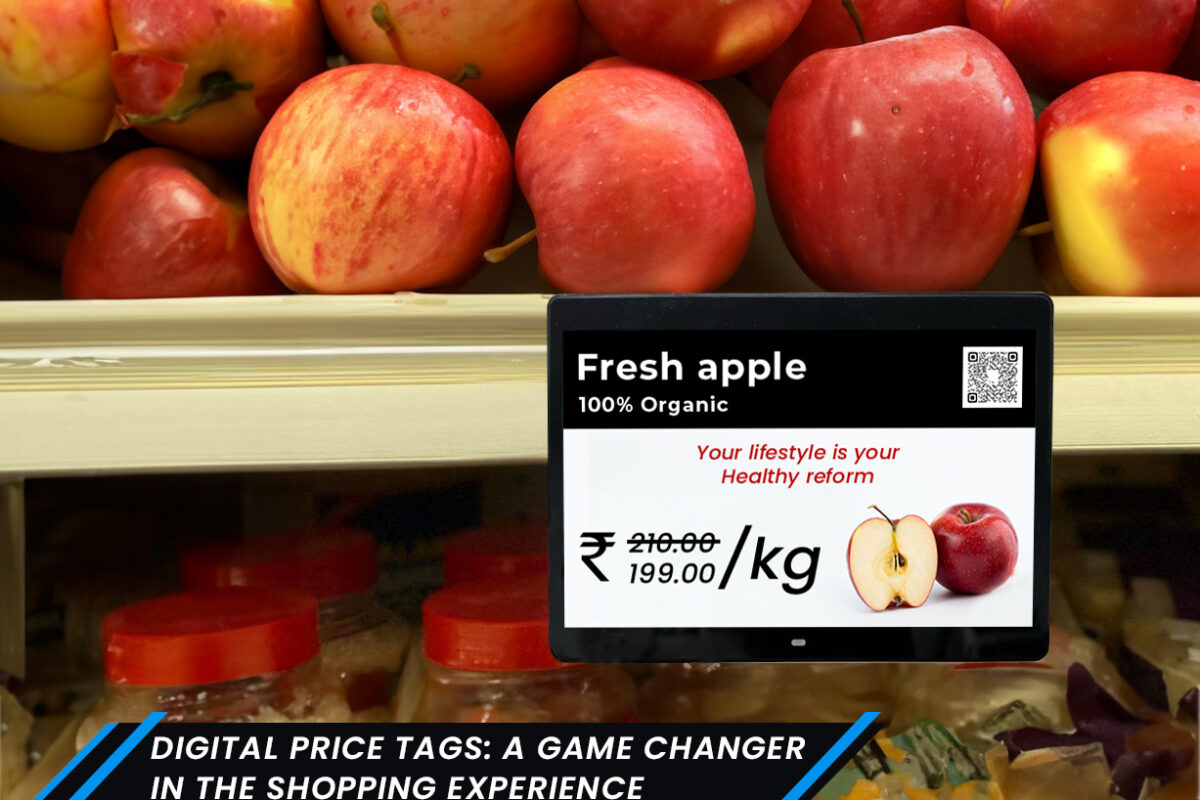
Digital Price Tags: A Game Changer in the Shopping Experience

In an era characterized by rapid technological advancements, the retail industry is no exception to the transformative power of innovation. One such innovation that is poised to revolutionize the retail landscape is the implementation of digital price tags. These digital price tags for retail are more than just a modern replacement for traditional paper tags. They are a game changer that promises to enhance the shopping experience for both retailers and customers.

In the fast-paced world of supermarkets, where prices can change frequently, the importance of accurate pricing and efficient price updates cannot be overstated. Electronic price tags, also known as digital shelf labels (DSLs), have emerged as a powerful solution to streamline operations and enhance the shopping experience in supermarkets. In this blog, we will explore how these digital price tags are revolutionizing the way supermarkets operate and how they benefit both retailers and customers.

Real-Time Price Updates

Traditional paper price tags are static and require manual updates whenever prices change. This process can be time-consuming and prone to errors. Digital price tags for retail, on the other hand, enable retailers to update prices in real-time through a centralized system. This ensures that customers always see the accurate price, reducing frustration and potential disputes at the checkout.

Electronic price tags for supermarkets, on the other hand, allow for real-time price updates through a centralized system. This ensures that customers always see the correct prices, reducing confusion and checkout disputes.

Dynamic Pricing Strategies

Digital price tags for retail open the door to dynamic pricing strategies, allowing retailers to adjust prices based on various factors such as demand, time of day, or inventory levels. By implementing dynamic pricing, retailers can optimize their profit margins and offer more competitive pricing, attracting price-sensitive shoppers while maximizing revenue during peak demand periods.

Supermarkets can take advantage of electronic price tags to implement dynamic pricing strategies. Prices can adjusted based on factors such as demand, inventory levels, and time of day. For instance, perishable items nearing their expiry dates can be discounted automatically to reduce waste and maximize sales.

Enhanced Customer Experience

Digital price tags can display more than just prices. Retailers can use these tags to provide customers with additional information, such as product descriptions, customer reviews, and nutritional facts for food products. This additional information empowers customers to make informed purchasing decisions, ultimately enhancing their shopping experience.

Electronic price tags for supermarkets provide more than just price information. Supermarkets can display additional details, including product descriptions, nutritional information, and customer reviews. This empowers shoppers to make informed choices, leading to a better overall shopping experience.

  1. Inventory Management and Stock Control

Traditional price tags provide limited insights into inventory levels. Digital price tags for retail, however, can be integrated with inventory management systems. This integration enables retailers to monitor stock levels in real-time, automatically triggering reorders when inventory is low. This results in reduced out-of-stock incidents and ensures that customers can consistently find the products they want.

Maintaining optimal stock levels is crucial in the supermarket industry. Electronic price tags for supermarkets can integrated with inventory management systems, allowing retailers to monitor stock levels in real-time. When products run low, automatic alerts can trigger restocking, ensuring that popular items are always available.

Sustainability and Cost Reduction

The environmental impact of traditional paper price tags is significant. Retailers must print and replace paper tags regularly, contributing to paper waste and increased operational costs. Digital price tags are a more sustainable solution, as they are reusable, reducing paper waste and cutting printing costs over time.

Traditional paper tags contribute to paper waste and incur printing costs. Electronic price tags are a sustainable alternative, as they are reusable and reduce the need for paper tags. Over time, this leads to significant cost savings and a smaller environmental footprint.

  1. Adaptability to Marketing Campaigns

Retailers frequently run promotions and marketing campaigns to attract customers. Digital price tags for retail can easily updated to reflect these promotions. This eliminates the need for manual price adjustments and ensures that customers are aware of special offers and discounts.

Supermarkets frequently run promotions and marketing campaigns. Electronic price tags for supermarkets can easily updated to reflect these promotions, eliminating the need for manual price adjustments and ensuring that customers are aware of special offers and discounts.

2. Anti-Theft Measures

Digital price tags can equipped with anti-theft features, such as alarms triggered when a product is removed without authorization. This enhances security in retail stores and deters theft, ultimately saving retailers money and protecting their assets. Nonetheless, the same goes for the electronic price tags too.

3. Analytics and Customer Insights

Digital price tags for retail can collect data on customer interactions with products. Retailers can use this data to gain valuable insights into customer preferences, shopping habits, and product performance. This information can inform merchandising decisions, helping retailers optimize their product offerings.

Conclusion

Digital price tags for retail are poised to be a game changer in the industry. They offer benefits that extend far beyond mere price display. Real-time updates, dynamic pricing, enhanced customer experiences, improved inventory management, sustainability, adaptability to marketing campaigns, anti-theft measures, and valuable analytics all contribute to a more efficient, profitable, and customer-centric retail environment.

As the supermarket landscape continues to evolve, electronic price tags are becoming an integral part of the shopping experience, helping supermarkets provide better service, reduce operational costs, and adapt to changing market dynamics. In this digital age, electronic price tags are undeniably a game changer for the supermarket industry.

Retailers who embrace this technology can stay competitive in an ever-evolving market and create a shopping experience that is both convenient and engaging for customers. As the retail landscape continues to evolve, digital price tags are an innovation that will undoubtedly play a pivotal role in shaping the future of retail.

Exploring-the-Power-of-LED-Standees-and-Digital-Standee-Boards-in-Advertising

Illuminating Your Brand: Exploring the Power of LED Standees and Digital Standee Boards in Advertising

In the ever-evolving world of advertising, businesses are constantly seeking innovative ways to captivate their target audience and leave a lasting impact. Two such dynamic tools that have revolutionized the advertising landscape are LED standees and digital standee boards. These eye-catching and versatile mediums have transformed the way brands communicate their messages, products, and services. In this article, we delve into the world of LED standees and digital standee boards, exploring their features, benefits, and the unique advantages they bring to modern advertising campaigns.

Understanding LED Standees and Digital Standee Boards:

LED Standees:

An LED standee is a free-standing display unit that integrates light-emitting diode (LED) technology to create visually striking and attention-grabbing content. These standees come in various sizes and shapes, offering businesses the flexibility to customize their messaging according to their branding and campaign objectives. LED standees typically feature high-resolution screens that can showcase images, animations, videos, and even interactive content.

Digital Standee Boards:

A digital standee board is a digital signage solution designed to provide dynamic and engaging content in a compact and portable format. These boards often feature LCD or LED screens that can display multimedia content, including advertisements, announcements, promotions, and more. Digital standee boards are commonly found in retail stores, trade shows, events, and other high-traffic areas.

Benefits of LED Standees and Digital Standee Boards:

1. Captivating Visual Appeal:

The most significant advantage of both LED standees and digital standee boards is their ability to captivate attention with visually stunning content. The incorporation of vibrant colors, high-resolution graphics, and dynamic animations makes these mediums hard to ignore, ensuring that your brand’s message stands out amidst the clutter of traditional static signage.

2. Flexibility and Customization:

Both LED standees and digital standee boards offer unmatched flexibility in content creation and customization. Advertisers can easily update and modify their content to align with different campaigns, promotions, and events. This real-time adaptability ensures that your advertising remains relevant and timely.

3. Interactivity for Engaging Experiences:

Digital standee boards can be designed with interactive features, allowing users to engage directly with the content. This interaction fosters a deeper connection between the audience and the brand, making the advertising experience more memorable and engaging. Interactive touchscreens can provide additional information, allow users to navigate through products, or even collect customer feedback.

4. Dynamic Content Delivery:

With LED standees and digital standee boards, advertisers have the opportunity to deliver dynamic and ever-changing content. This is particularly advantageous for businesses that want to convey complex information, product demonstrations, or step-by-step guides, as they can use animations and videos to simplify explanations and engage the audience more effectively.

5. Enhancing Brand Identity:

These mediums allow businesses to maintain consistent branding across various campaigns and platforms. The ability to incorporate brand colors, logos, and design elements ensures that the advertising aligns seamlessly with the overall brand identity, enhancing brand recognition and recall.

6. Cost-Efficiency Over Time:

While the initial investment in LED standees and digital standee boards might be higher compared to traditional static signage, they tend to be more cost-effective in the long run. The ability to update content without printing costs, reduced wastage, and the potential for multiple campaigns on a single platform contribute to overall cost savings.

7. Real-Time Updates and Timely Campaigns:

With the convenience of digital technology, LED standees and digital standee boards allow advertisers to implement real-time updates. This is especially advantageous for time-sensitive campaigns, flash sales, or events where information needs to be relayed promptly.

8. Audience Engagement Analytics:

Both LED standees and digital standee boards can be equipped with analytics tools that provide insights into audience engagement. These tools offer data on content views, interaction rates, and other relevant metrics, enabling advertisers to fine-tune their strategies for optimal results.

9. Sustainability and Eco-Friendly Advertising:

Digital advertising solutions are more environmentally friendly than traditional print methods. The reduction in paper usage, ink consumption, and production waste aligns with eco-conscious advertising practices, appealing to environmentally-aware consumers.

10. Versatility in Placement:

LED standees and digital standee boards are portable and versatile, allowing businesses to position them strategically in high-traffic areas. They can placed in retail stores, trade show booths, event entrances, malls, and various other locations where they can attract maximum attention.

11. Integration with Multimedia Content:

These mediums support multimedia content integration, enabling businesses to showcase a variety of content formats such as videos, animations, slideshows, and live feeds. This versatility in content presentation enriches the viewer experience and encourages engagement.

12. Seamless Integration with Digital Campaigns:

LED standees and digital standee boards can seamlessly integrated with online and social media campaigns. QR codes, hashtags, and URLs can displayed to direct users to the brand’s digital platforms, bridging the gap between offline and online marketing efforts.

Conclusion

LED standees and digital standee boards have undeniably transformed the advertising landscape by providing businesses with innovative and interactive tools to engage their target audience effectively. The captivating visuals, flexibility, real-time updates, and interactivity offered by these mediums make them indispensable assets for modern marketing campaigns. As technology continues to evolve, we can anticipate even more creative applications of LED standees and digital standee boards. Cementing their position as powerful instruments in the realm of advertising. By embracing these dynamic mediums, brands can illuminate their identity and messages, leaving a lasting impression on the minds of their audience.